
 91 -11 - 2336 3390
  director@caritasindia.org
 Caritas India strengthens safeguarding culture across partner network
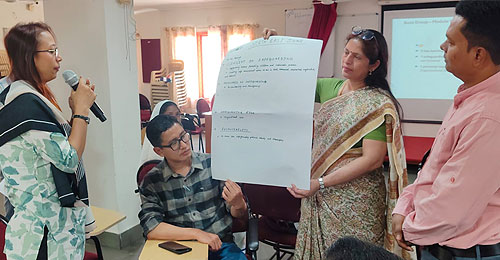
Safeguarding cannot remain confined to policy documents. It must shape behaviour, systems and leadership choices every day. With this conviction, Caritas India organised a four day Training of Trainers safeguarding workshop from 10 to 13 February 2026 at Karnataka Regional Organization for Social Service in Bengaluru. The initiative, supported by Porticus, brought together 35 representatives from partner organisations to deepen institutional commitment to safe and dignified environments.
At a time when civil society and faith based institutions are facing increasing scrutiny over protection standards, the workshop underscored a critical message. Safeguarding is not a legal formality. It is a shared moral responsibility.
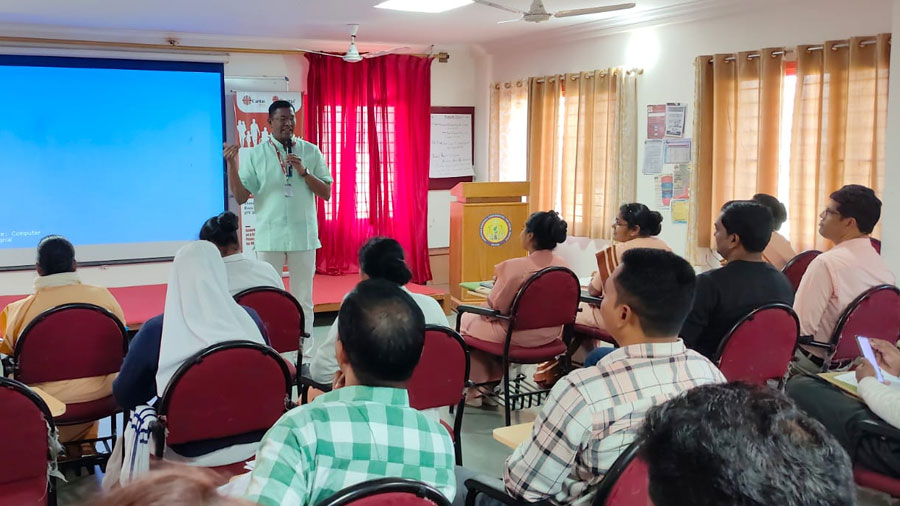
In his inaugural address, Fr. Jesudas, Executive Director of Caritas India, urged participants to become safeguarding champions in their regions and lead the rollout of robust systems. He called for zero tolerance towards abuse and exploitation and emphasised building a culture of ownership and accountability. Safeguarding, he stressed, must be embedded in organisational DNA.
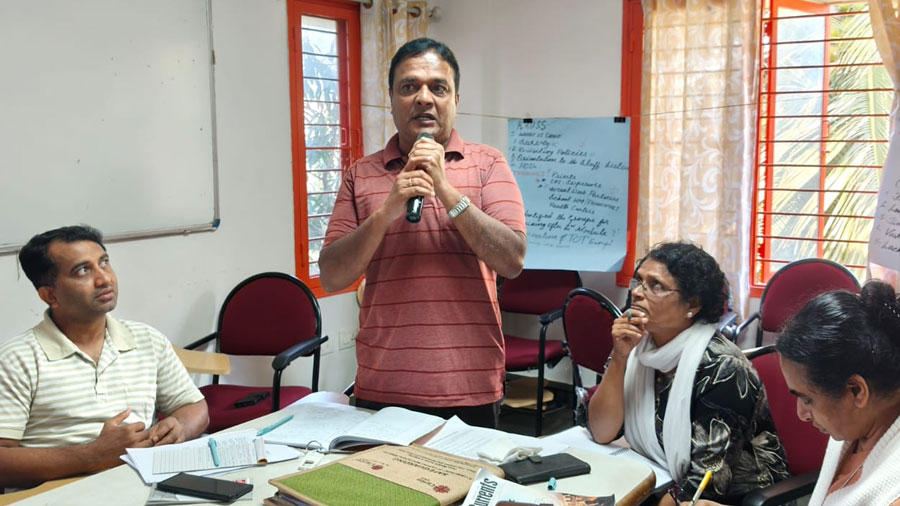
The training focused on institutionalising safeguarding across social ministry platforms by strengthening knowledge, clarifying accountability and equipping participants with practical tools. Sessions examined policy frameworks, complaint mechanisms and response systems, ensuring that safeguarding commitments translate into action.
Mr. Khushal Neogy, Technical Consultant, guided participants through practical strategies for contextualising safeguarding frameworks within diverse operational contexts. He introduced the RACI matrix model to define who is Responsible, Accountable, Consulted and Informed in safeguarding processes. The model was presented as a governance tool to reduce ambiguity, strengthen compliance and minimise risk. Participants recognised its value in clarifying institutional roles, with one noting its applicability beyond safeguarding, including in disability mainstreaming efforts.
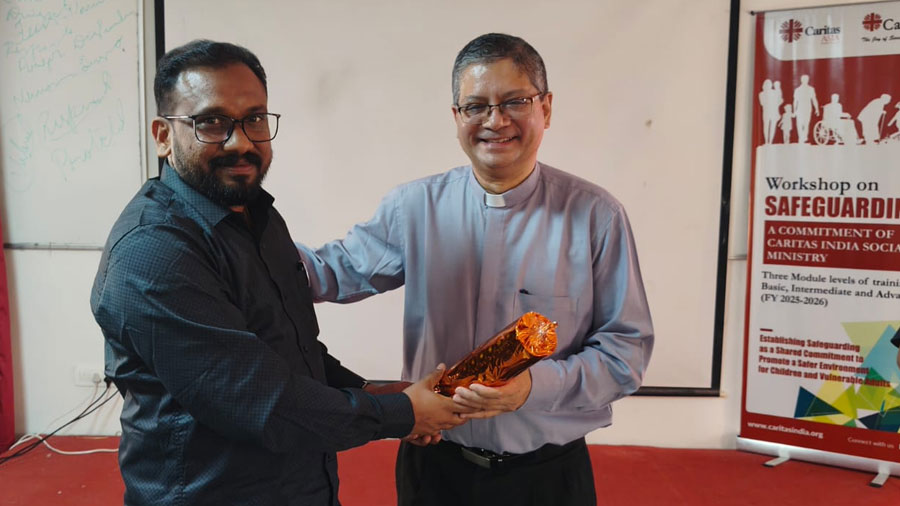
The second day addressed safeguarding within church institutions, focusing on spiritual abuse and institutional accountability. Fr. Jervis D’Souza, Director of the St. Joseph Safeguarding Centre, elaborated on Canon Law principles and the safeguarding norms established by the Catholic Bishops’ Conference of India. Discussions examined sexual harassment and abuse across institutional settings and reinforced the importance of prevention, mandatory reporting systems and survivor centred responses. Participants emphasised the need to disseminate church safeguarding norms more widely among grassroots communities.
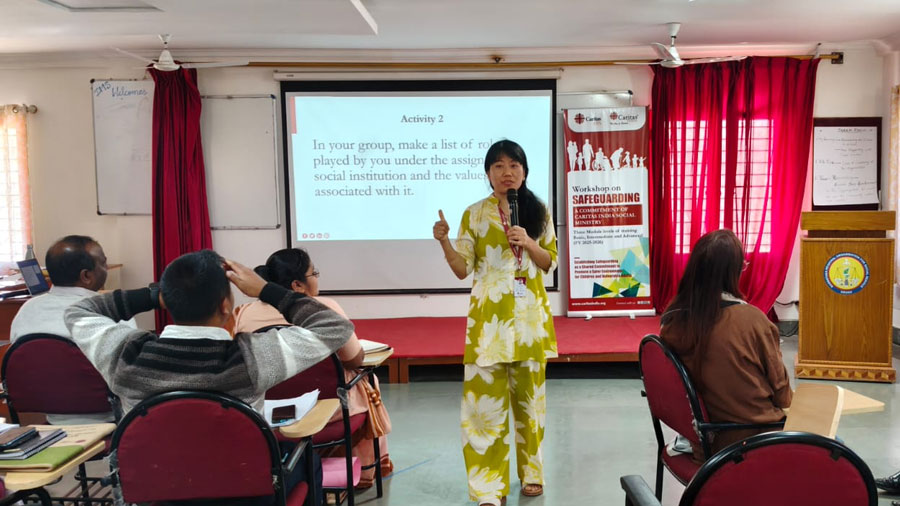
The Caritas India team further highlighted the importance of leadership behaviour and organisational culture in preventing abuse. The Code of Conduct was positioned as a core preventive instrument defining expected standards for staff and affiliates. Participants were oriented on safe recruitment practices, safe programme design, partner due diligence and strengthening Feedback and Complaints Response Mechanisms to ensure transparency and accessibility.
Risk assessment and mitigation planning formed a critical component of the workshop. Participants analysed how safeguarding breaches can expose organisations to legal consequences and reputational harm. Through practical exercises, they developed safeguarding risk analysis frameworks to enhance institutional preparedness.
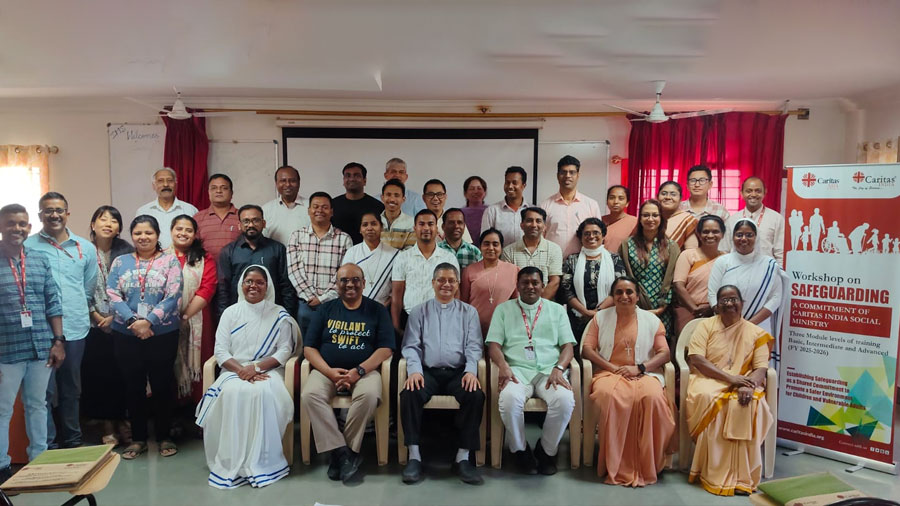
The workshop concluded with a reaffirmation that safeguarding is not merely compliance driven. It demands constant vigilance, ethical leadership and shared accountability.
With support from Porticus, Caritas India is advancing a structured and systemic approach to safeguarding across its partner network, signalling a strong commitment to building environments where children, vulnerable adults and communities can engage without fear and with full dignity.
Upcoming News
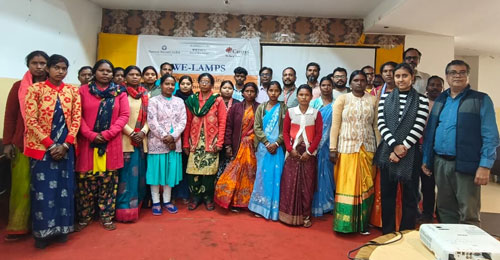
What is the LAMPS programme in West Bengal?
Large Area Multipurpose Societies are being repositioned as frontline institutions for tribal women’s economic leadership...
LEARN MORE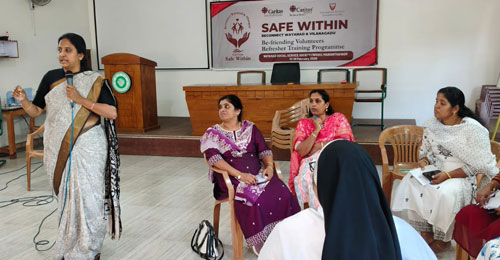
Reinforcing community mental health care in post disaster Kerala
In disaster-affected Wayanad, rebuilding homes is only half the work. Healing invisible wounds is the...
LEARN MORE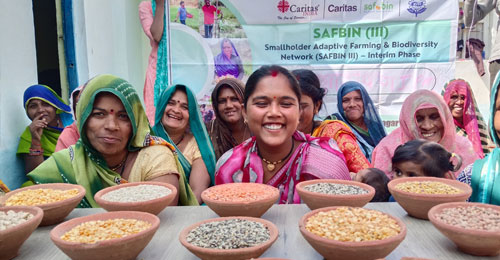
MP Smallholder farmers lead a pulse-powered nutrition shift
In the drought-prone districts of Madhya Pradesh, farmers are reclaiming control over their food systems....
LEARN MORE 91 -11 - 2336 3390
  director@caritasindia.org


