
 91 -11 - 2336 3390
  director@caritasindia.org
 Reinforcing community mental health care in post disaster Kerala
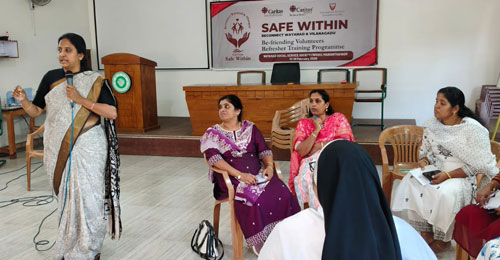
In disaster-affected Wayanad, rebuilding homes is only half the work. Healing invisible wounds is the real test. Strengthening that response, Caritas India conducted a three day Refresher Training Programme for Befriending Volunteers from 17 to 19 February 2026 at WSSS, Mananthavady, under its Safe Within, Reconnect Wayanad and Vilangad project. The programme was organised with technical support from Schizophrenia Research Foundation, reinforcing community based mental health care in post disaster contexts.
Befriending Volunteers serve as the first line of psychosocial support in the project. They provide regular home visits, emotional accompaniment and early identification of distress within families. Recognising that grassroots mental health work demands updated knowledge and ethical clarity, the refresher training aimed to sharpen both skill and sensitivity.
The programme was inaugurated by Ms. Karthika Anna Thomas, District Child Protection Officer, Wayanad, who highlighted the rising mental health concerns in disaster hit regions. She pointed out that trauma often remains unspoken and untreated, making trained community volunteers essential for early response and referral.

Presiding over the function, Fr. Benny Edayath, Assistant Executive Director of Caritas India, stressed that rehabilitation must address both physical reconstruction and emotional recovery. Psychosocial care, he said, forms the core of the Safe Within initiative. Delivering the keynote address, Dr. V. R. Haridas, National Programme Coordinator and Lead Climate Justice at Caritas India, underscored the importance of sustained volunteer networks to ensure long term community resilience.

Day one focused on strengthening foundational knowledge of mental health and counselling practice. Participants were grouped based on experience levels for targeted engagement. Sessions addressed stigma, misconceptions and classification of mental health conditions, including schizophrenia, bipolar disorder, depression, anxiety disorders, ADHD, dementia and geriatric concerns. Volunteers reflected on real cases from their fieldwork, bridging theory with lived realities. Afternoon sessions deepened understanding of counselling ethics, emphasising empathy, confidentiality, non judgemental listening and responsible communication.
Day two shifted towards family centred interventions. Volunteers reviewed and refined the Case Intake Form to improve field usability. Sessions explored communication patterns within families, strategies to reduce conflict and techniques to build coping capacity. Parenting styles, anger management and basic cognitive behavioural approaches were introduced through interactive demonstrations. Structured role plays enhanced participants’ confidence in conducting psychoeducation sessions and assessments.

The Bishop of Mananthavady, Mar Jose Porunnedom, visited the training venue and encouraged volunteers to become a compassionate presence for communities navigating emotional distress. He reminded participants that sincerity must be matched with competence and skill in voluntary service.

The final day expanded learning to digital and therapeutic tools. Volunteers were introduced to the Dialogue Plus App to structure client engagement and prioritise concerns. Sessions on solution focused therapy promoted strengths based and goal oriented conversations. Practical exercises included relaxation techniques, grounding methods and safety planning for individuals at risk. A strong emphasis was placed on volunteer self care, sleep hygiene and mindfulness to prevent burnout. Emerging challenges such as peer pressure, excessive screen use, academic anxiety and relationship stress were also addressed from a counselling lens.
The training maintained a participatory format with group discussions, simulations and peer learning exercises. Participants received certificates upon completion.

As frontline ambassadors under the Safe Within initiative, these trained volunteers now return to Wayanad and Vilangad equipped with sharper tools and renewed purpose. Their work strengthens community based mental health systems where professional services are limited but human connection remains powerful. Through sustained investment in local capacity, Caritas India continues to place dignity, resilience and emotional well being at the centre of post disaster recovery.
Upcoming News
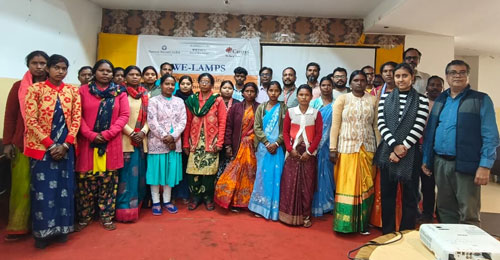
What is the LAMPS programme in West Bengal?
Large Area Multipurpose Societies are being repositioned as frontline institutions for tribal women’s economic leadership...
LEARN MORE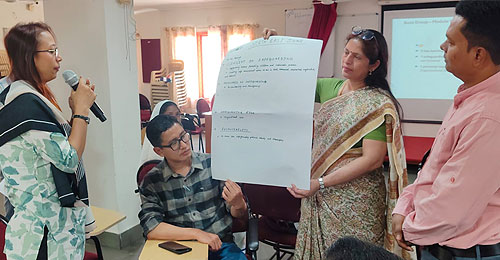
Caritas India strengthens safeguarding culture across partner network
Safeguarding cannot remain confined to policy documents. It must shape behaviour, systems and leadership choices...
LEARN MORE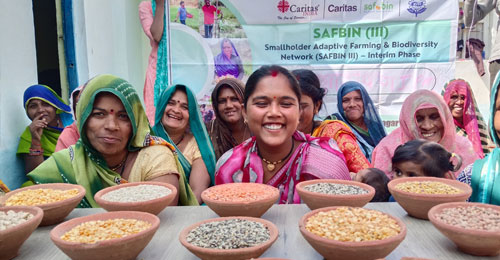
MP Smallholder farmers lead a pulse-powered nutrition shift
In the drought-prone districts of Madhya Pradesh, farmers are reclaiming control over their food systems....
LEARN MORE 91 -11 - 2336 3390
  director@caritasindia.org


