
 91 -11 - 2336 3390
  director@caritasindia.org
 Fostering a Supportive Society for Women- Menstrual Hygiene Management (MHM): Training of Trainers
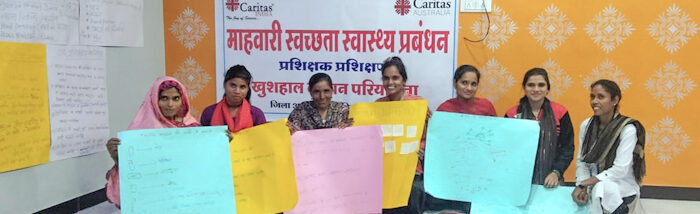
Menstrual Hygiene Management (MHM) is a crucial aspect of women’s health that encompasses practices, facilities, and services required to ensure women and adolescent girls are equipped to manage their menstruation with dignity, privacy, and safety. The importance of MHM extends beyond the physiological aspects of menstruation; it is also a matter of human rights, public health encompassing psychological well-being.
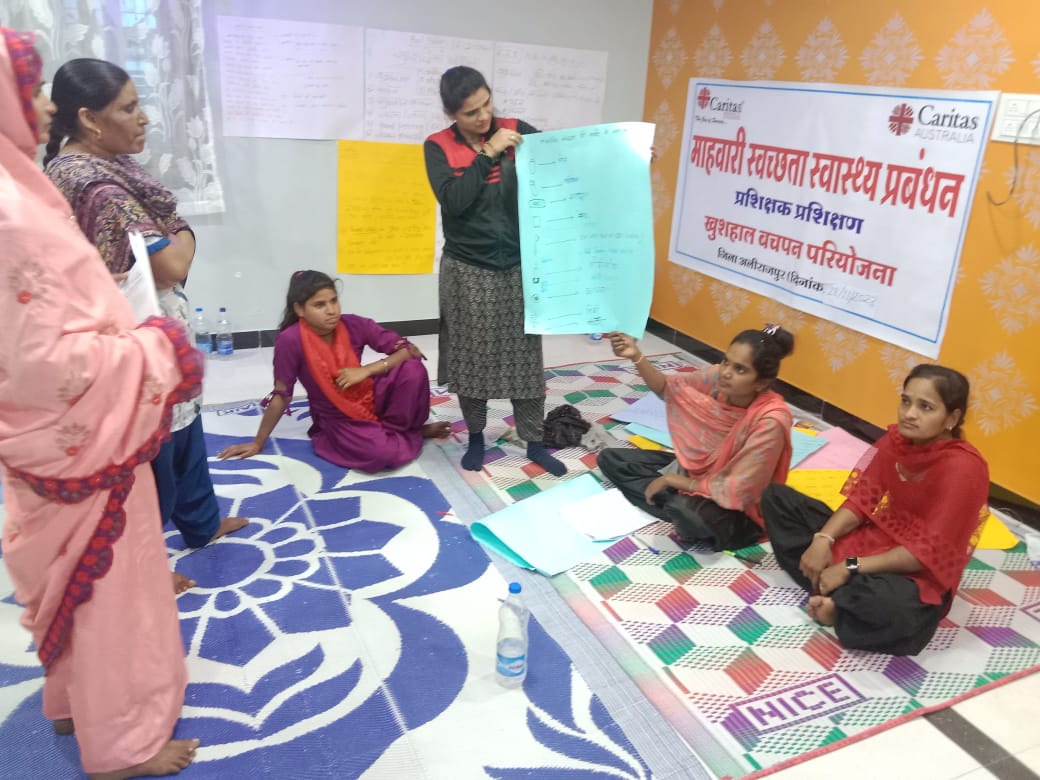
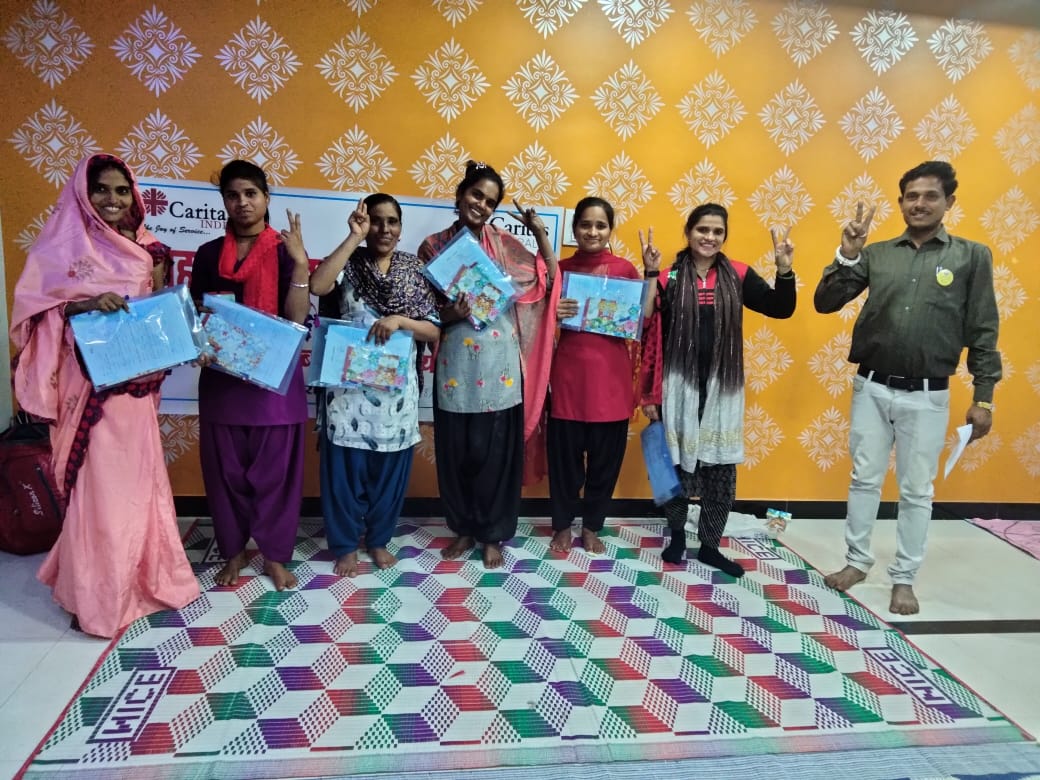
In this regard, on 28th November Khushaal Bachpan programme conducted training in Alirajpur, Madhya Pradesh, Jobat Office with six dedicated volunteers, focusing on building the capacity of grassroots ambassadors through a Training of Trainers (TOT) programme. The primary objective of this menstrual health and hygiene programme was to capacitate volunteers with the necessary skills and knowledge to effectively educate women and adolescent girls about menstrual health and hygiene, along with addressing related issues.
The overarching goal is to empower volunteers to become advocates and educators within their communities, especially in schools, targeting women and adolescent girls. By providing accurate information and support regarding menstrual health and hygiene, the volunteers aim to break the stigma surrounding menstruation and contribute to the overall well-being of women and adolescent girls.
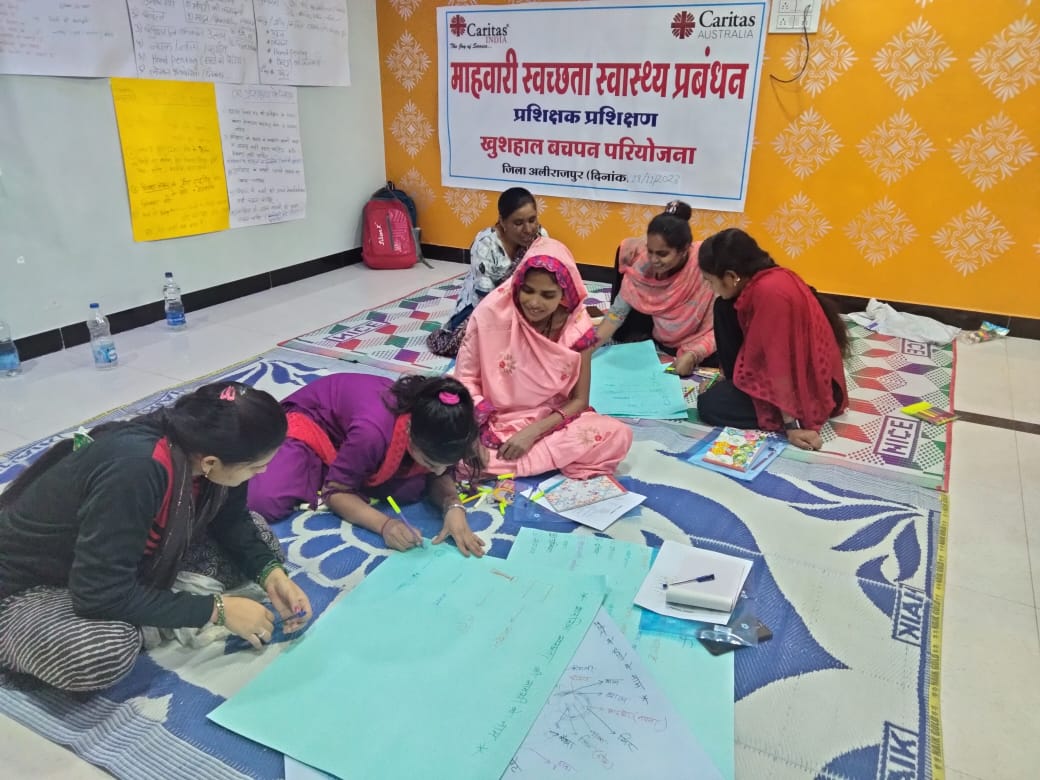
Khushaal Bachpan’s action plan outlines a systematic approach adopted to reach out to a significant number of adolescent girls and women through organised sessions. Each volunteer is tasked with conducting sessions for 20 to 25 adolescent girls, with a focus on class-wise presentations. A comprehensive strategy involves conducting three sessions per class, aiming to reach a total of 400 adolescent girls and at least 30 women.
The targeted outreach spans across five villages, five secondary schools, and two high schools. The sessions are not isolated; instead, they are designed to be part of an ongoing effort. The information shared in the first session serves as a foundation, preparing for subsequent sessions that will be tailored based on the work area and the feedback received. This iterative approach ensures that the training is responsive to the unique needs and challenges within the community.
The ultimate result of this initiative is to enable and engage volunteers to act as catalysts for positive change within their communities. By equipping them with the knowledge and skills to address menstrual health and hygiene, the program anticipates a ripple effect, where educated volunteers become advocates, fostering an environment of understanding, support, and improved well-being for women and girls.
In conclusion, Menstrual Hygiene Management is not just a matter of personal health but a vital component of broader social and public health goals. The grassroots ambassadors trained in Alirajpur are on the frontline, striving to create a more informed and supportive society for women and adolescent girls, one session at a time.
Upcoming News
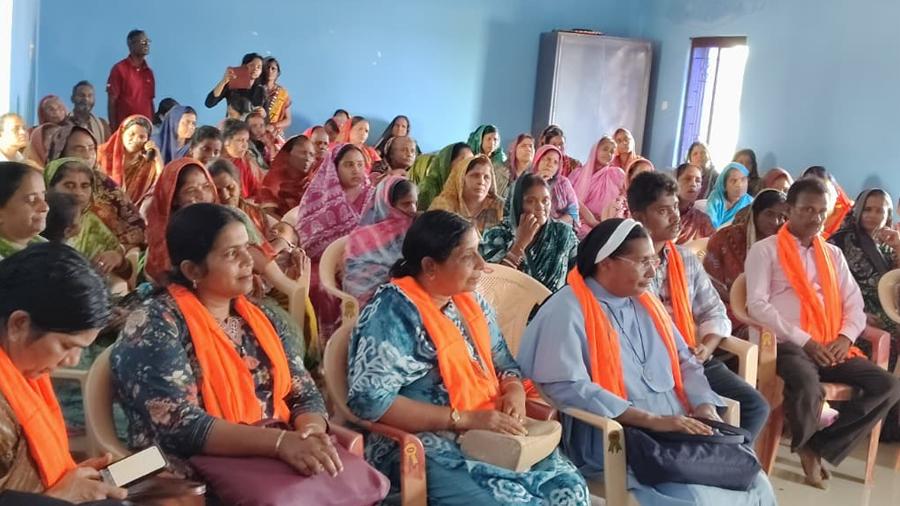
Kerala and Odisha Practitioners Come Together for Workshop on Humanitarian Aid and Disaster Risk Reduction
Disaster risk reduction practitioners from Kerala's Safe Within, Reconnect Wayanad and Vilangad Project travelled to...
LEARN MORE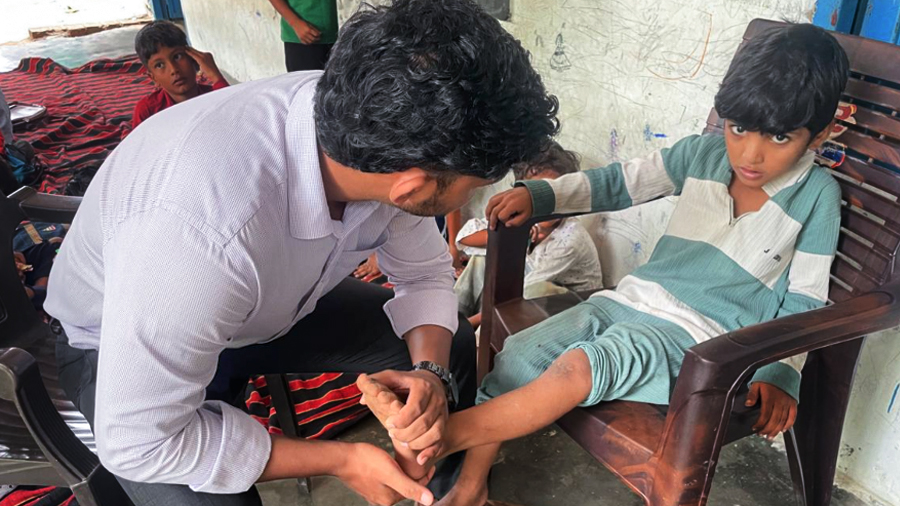
How Faiz Learned to Walk Again with Physiotherapy and Orthotic Support
There is a particular kind of heartbreak in watching your child want to play and...
LEARN MORE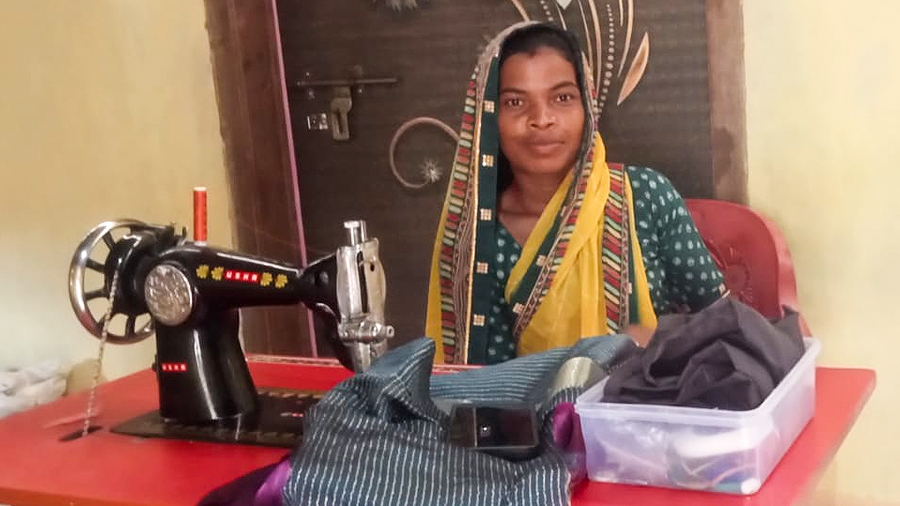
Every Stitch Keeps a Dream Alive
On the day Shiropati paid her children’s school fees from the money she earned through...
LEARN MORE 91 -11 - 2336 3390
  director@caritasindia.org


