
 91 -11 - 2336 3390
  director@caritasindia.org
 Making market work for the poor: Capacity building on value chain approach and farmer producer organization
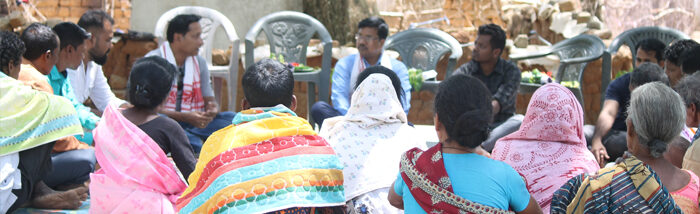
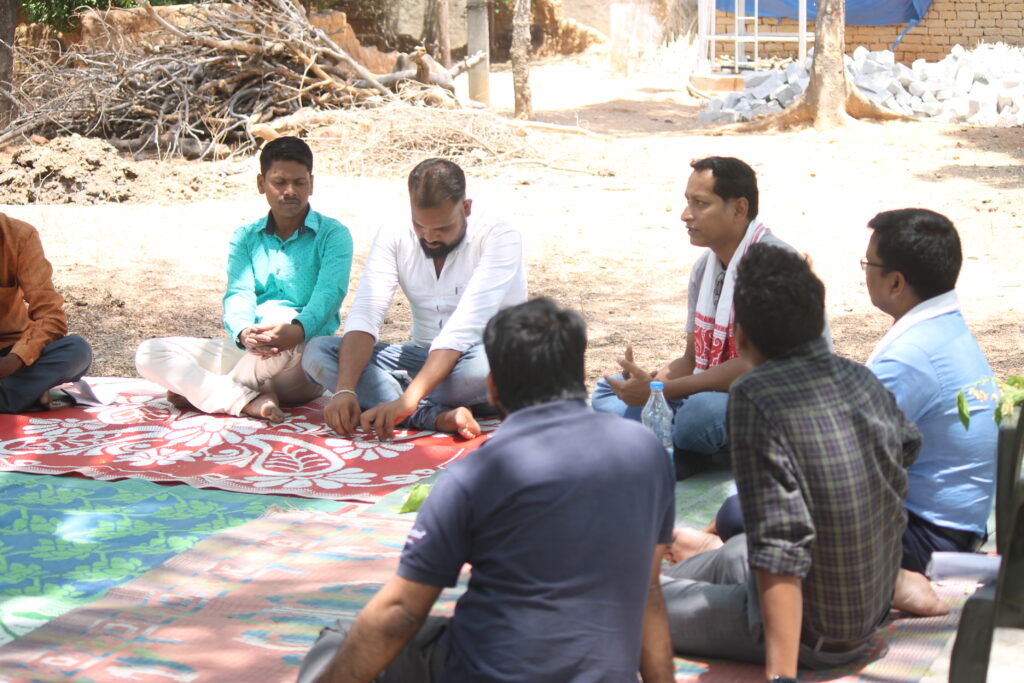
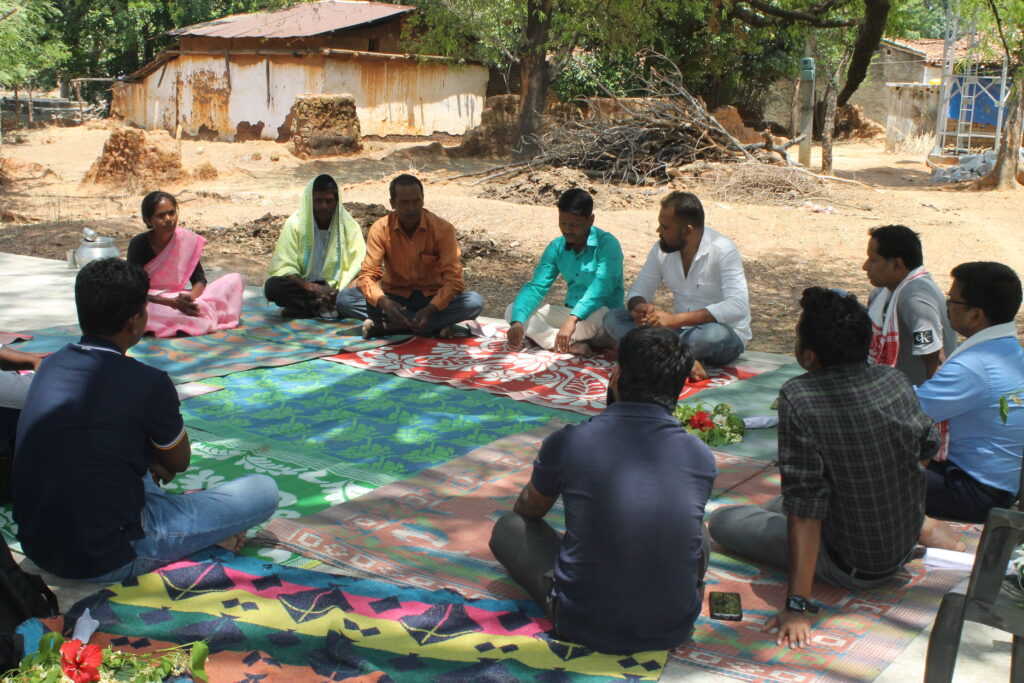
The Gram Nirman programme team conducted two days of training about the Value Chain Approach and Farmer’s Producer Organisation (FPO). Mr. Pradipta Kishore Chand, a theme specialist, facilitated the entire learning process for the team and addressed the necessity for and importance of the value chain approach, as well as the nitty-gritty and benefits of Farmer Producer Organisations, with the team. The team learned about the FPO’s structure and activities first-hand by speaking with the CEO, Board of Directors, and members of Shristi, Dhavitri FPO in the Gumla district of Jharkhand.
It is worth noting that Gram Nirman programme implemented by Caritas India and supported by Caritas Australia is going to register two Farmer Producer Organizations in Jharkhand and Chhattisgarh respectively. The idea is to comprehend, reveal, map and tap the market potential of a select few scalable commodities and, by connecting them with FPO, promote the producer along the value chain.
During the course of programme implementation, it was discovered that it is critical for a livelihood initiative to strive for growth-oriented opportunities involving markets—both present and potential; for surplus generation; and for poor farmers to build capacity not only to remain at the subsistence level but also to participate in an informed manner along the value chain. Growth is possible with volumes and larger numbers that will attract market players and help producers to have greater control over pricing and sales. This will necessitate a broader reach, involving new producers, intermediaries (market players), buyers, technical institutions for product development and feasibility assessment, banks, and others in strategic linkages around specific products that can generate surpluses and increase income for poor producers, technical and market understanding and assessment for specific farm, forest, and non-farm products.
The programme team members from both states, Chhattisgarh and Jharkhand, who are responsible for implementing the Gram Nirman programme in 165 villages, received a holistic picture of the value chain approach and farmer producer organisation, and they will now dovetail the knowledge to the ground team working at the grass root level as a plan.
Upcoming News
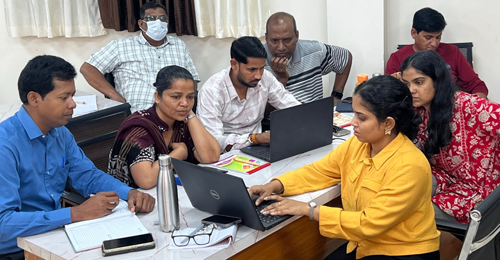
Caritas India Trains Partner Organisations in Evidence Based Project Proposal Writing
Some of the strongest community projects never get built, not for lack of need or...
LEARN MORE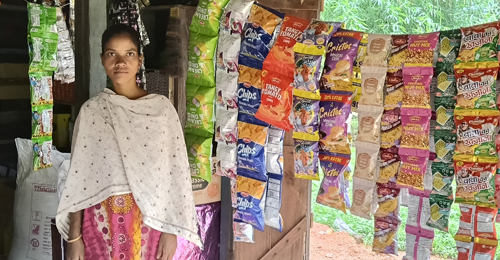
A Grocery Shop, a Mother’s Resolve, and Three Daughters Who Stayed in School
Three young girls in this remote village are attending school regularly today because their mother...
LEARN MORE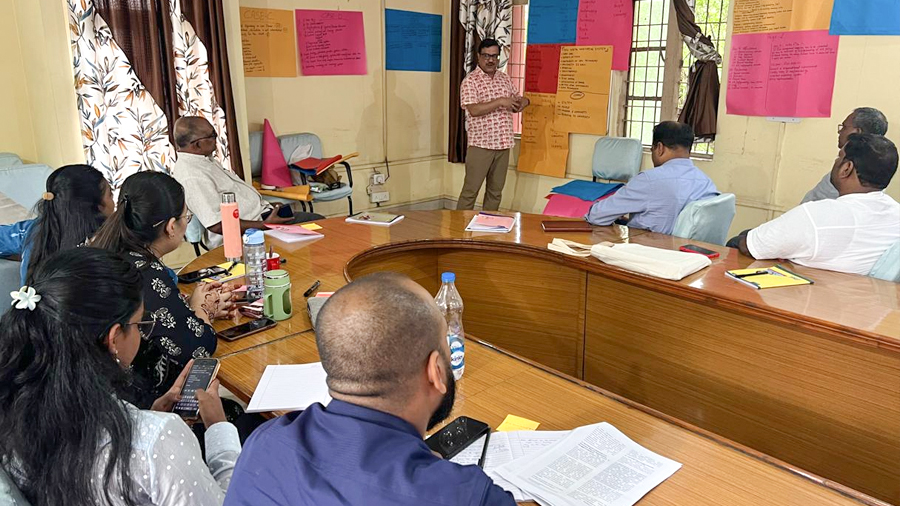
When NGOs Grow, What Breaks First? Caritas India Tackles the Answer in Raipur
Three-day workshop arms executive leaders with governance tools, a 20-policy framework and practical fixes for...
LEARN MORE 91 -11 - 23362735
  director@caritasindia.org


