
 91 -11 - 2336 3390
  director@caritasindia.org
 GIS adding a fresh dimension to social work
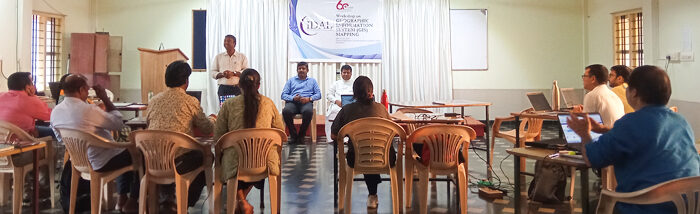
Most people believe geographical information system (GIS) is a mapping system, but today it has become a strategic tool for decision-making. The scope of GIS has evolved in all aspects of life, whether it is navigation, business, housing, urban planning, agriculture, land use, or disaster management. Like every field, geospatial data is important in social work to plan, implement, and evaluate.
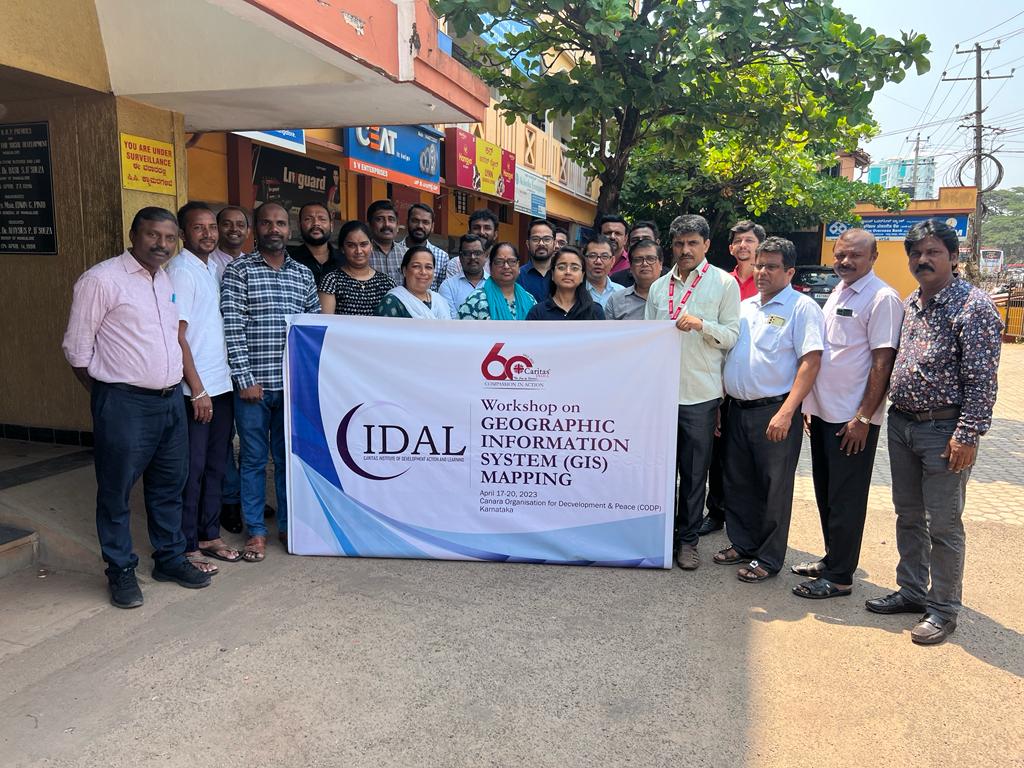
Caritas Institute for Development Action and Learning (CIDAL) realised this need and organised a workshop on GIS mapping at Canara Organisation for Development and Peace (CODP), Mangalore, from April 17–20, 2023. The objective is to equip the participants and develop an understanding of remote sensing and GIS applications for projects, acquire skills in creating and managing spatial data, prepare maps of the project area, analyse spatial data using spatial analysis tools, and disseminate learning to best-practise methodologies.
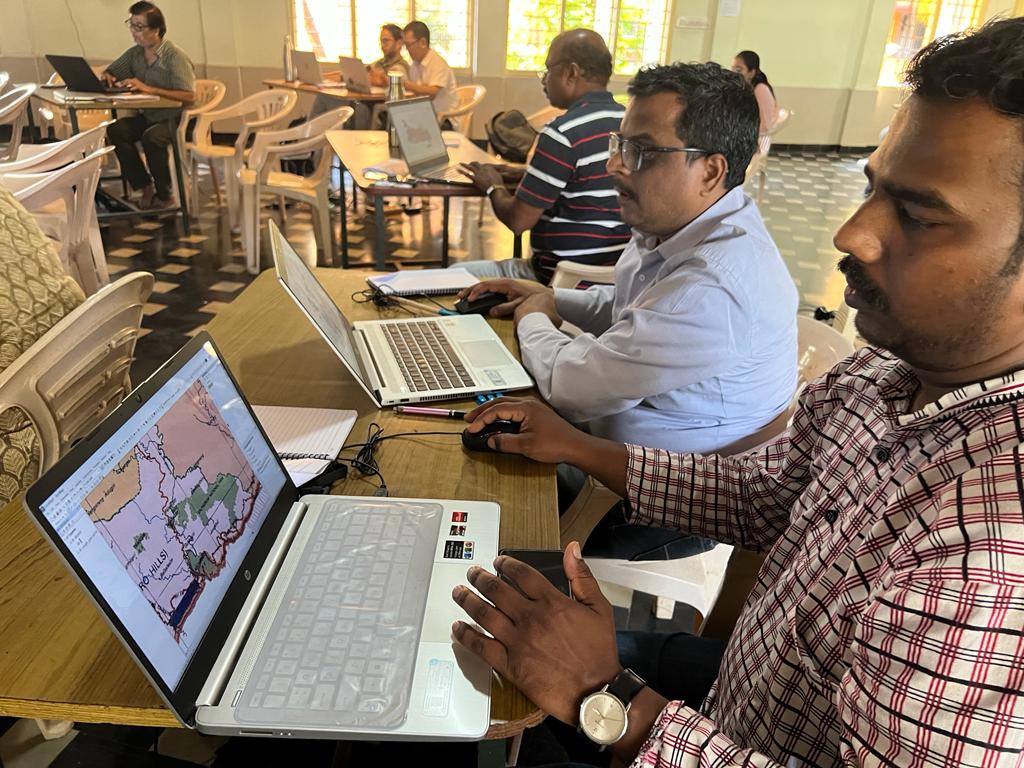
Geoinformatics is a powerful tool to create maps, integrate information, visualise scenarios, solve complicated problems, present powerful ideas, and develop effective solutions. As per the current trends, advanced techniques like remote sensing and global positioning systems (GPS), if integrated with geographic information systems, can provide authentic and accurate geospatial information on the earth’s surface features and geographical information system (GPS), if integrated with geographic information systems, can provide authentic and accurate geospatial information on the earth’s surface features and processes. Geoinformatics technology is most relevant where decisions are to be taken on issues like natural resource assessment, surveying, monitoring, and, more importantly, protection of the natural environment, including disaster reduction and mitigation. There is a growing need for professionals in the field of geoinformation technology, who can prepare, maintain, and update geographic databases and develop new geoinformatics tools. There is growing awareness in the government and non-government sectors about the generation and use of such spatially integrated databases.
Dr. Haridas, V. R., the convenor of CIDAL, facilitated the workshop attended by 24 participants from the social development field. The workshop provided in-depth knowledge on developing a basic understanding of geoinformation technologies available today, providing a comprehensive understanding of how GI systems work in an integrated manner and how they support better decision-making, and extending hands-on experience by working on conventional and open-source (if conventional ones are not available) GIS software. providing in-depth knowledge on using online geoinformatics tools like Google Earth, mobile mapping apps, and other open-source mapping platforms in the acquisition of data.
Professor V. Govindankutty, Professor of GPM Government College, Manjeshwar, Kerala, the resource person having vast experience in GIS Mapping, facilitated the sessions and explained topics such as introduction to geoinformatics, internet-based mapping applications and data sources, working with Google Earth, spatial referencing, building spatial databases, creating thematic maps, etc. The sessions were planned to improve the skills of the participants at every step of the geographic information system. These mapping exercises have provided the participants with the opportunity to upgrade their skills in preparing maps of their respective project locations.
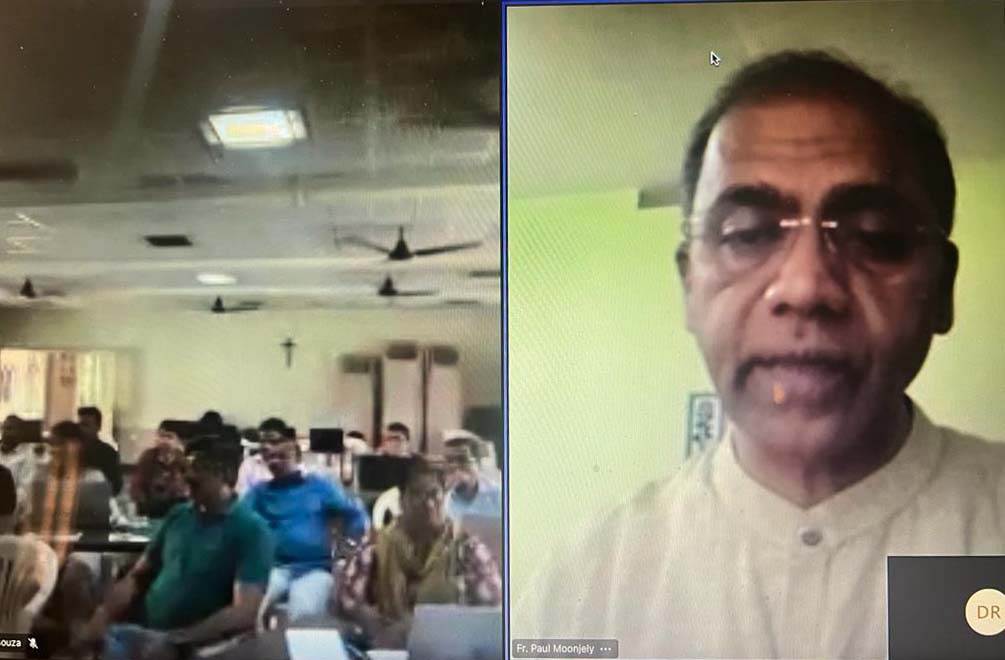
Fr. Dr. Poly Varghese, Executive Director of Caritas India, addressed the participants in virtual mode and appreciated their participation in the workshop. He insisted that as technology is growing in many things and digitalization is going on, Similarly, professional social workers, especially those who are developing concept notes and development projects, can do the mapping using digital technology and explain the local situation, thematic issues, vulnerabilities, etc. in a better way. He reminded the participants to focus on the outcome of the training after the completion of the workshop.
Upcoming News
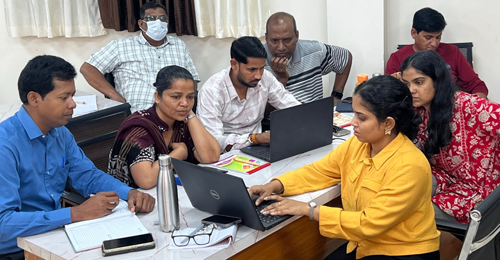
Caritas India Trains Partner Organisations in Evidence Based Project Proposal Writing
Some of the strongest community projects never get built, not for lack of need or...
LEARN MORE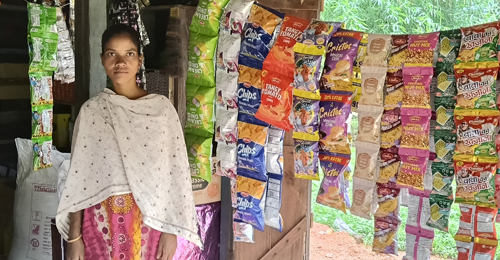
A Grocery Shop, a Mother’s Resolve, and Three Daughters Who Stayed in School
Three young girls in this remote village are attending school regularly today because their mother...
LEARN MORE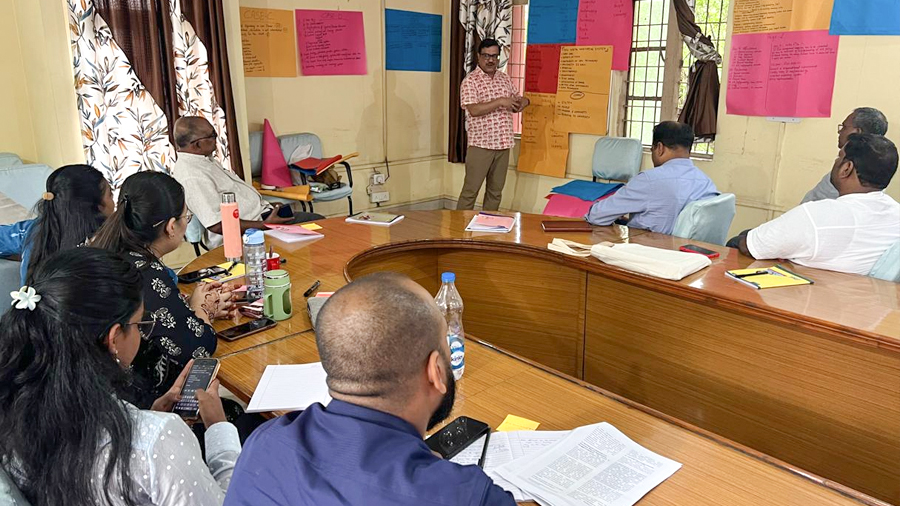
When NGOs Grow, What Breaks First? Caritas India Tackles the Answer in Raipur
Three-day workshop arms executive leaders with governance tools, a 20-policy framework and practical fixes for...
LEARN MORE 91 -11 - 23362735
  director@caritasindia.org


