
 91 -11 - 2336 3390
  director@caritasindia.org
 Integrated Family Farming stabilized Suresh’s family economic condition
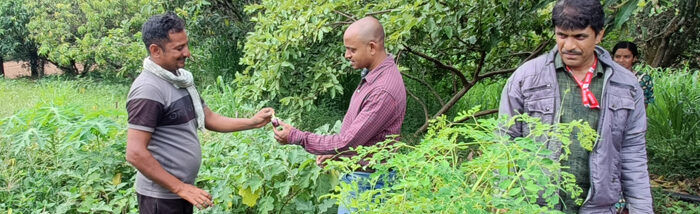
The integrated family farming (IFF) system is a commonly used term to explain an integrated approach to farming compared to monoculture approaches. It refers to agricultural systems that integrate livestock, crop production, mixed cropping, off-farm farming, organic farming, etc. The farmers believe that integrated family farming helps increase crop production, regular income for the family.
Caritas India U3 Phase III program, supported by Misereor, Germany, aims to have more IFF systems in the target villages of West Bengal, Karnataka, and Telangana. The project team motivates and guides the marginal farmers to adopt this system, which enhances the family’s economic condition. Here is an interesting story of a marginal farmer who adopted the IFF and became a model for other farmers.
Mr. Suresh Basappa Hulmani, a marginal farmer from Honnapur Village of Alnavar Taluk, Dharwad District, has 4 acres of land. Prior to practicing farming in 2019 as full-time work, Mr. Suresh worked for 2 years in Bengaluru after completing his diploma in engineering. After two years living in Bengaluru, he realized the importance of agriculture and gave up his job to start farming in his hometown.
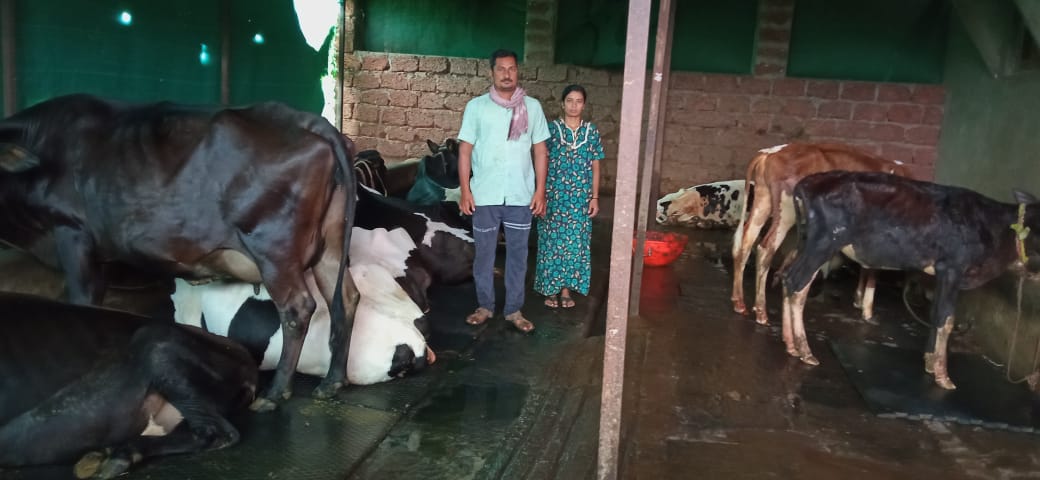
He got in touch with the Ujjivana U3 team of the Belgaum Diocesan Social Service Society (BDSSS) and learned about integrated family farming, azola, poultry farming, mixed cropping, beekeeping, etc. He started his farming with animal husbandry, having 8 cows, where he started selling milk and started using cow dung for agricultural purposes. Once he came to know the schemes available from the Horticulture Department, he started planting mixed crops like guava, banana, lemon, and mango saplings. He constructed vermicompost pits to prepare organic manure and learned that soil fertility could be improved only by practicing organic farming. From selling vegetables, he earns an average of Rs 14,000 per month. He is happy with the returns he gets for his hard work.
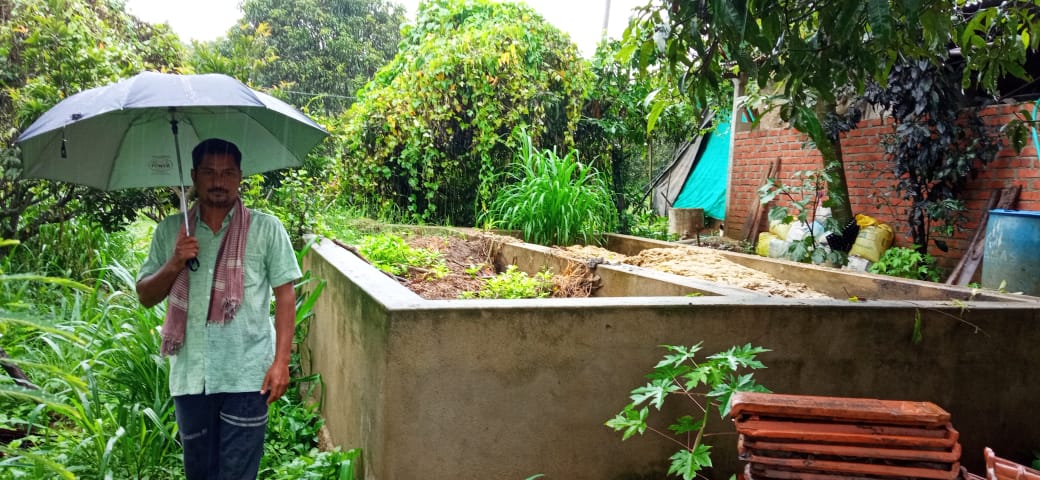
He also grows maize, and sugarcane on his farmland, which are cash crops, and in order to get a higher yield, he rotates the crop cultivation.
With the guidance of the Ujjivana team, he learned to apply for and approach government schemes from different departments. He gets the government schemes such as PM Kisan Yojana and agriculture-related schemes. He is one of the Caritas Samaritans from the Ujjivana Project and motivates other marginalized farmers to practice integrated family farming.
Upcoming News
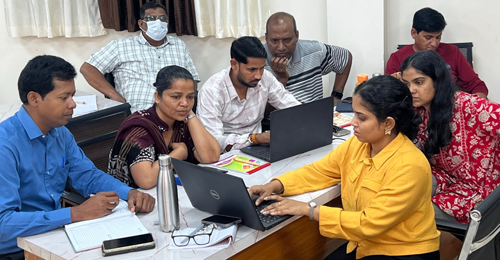
Caritas India Trains Partner Organisations in Evidence Based Project Proposal Writing
Some of the strongest community projects never get built, not for lack of need or...
LEARN MORE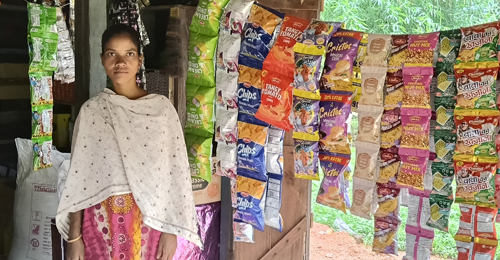
A Grocery Shop, a Mother’s Resolve, and Three Daughters Who Stayed in School
Three young girls in this remote village are attending school regularly today because their mother...
LEARN MORE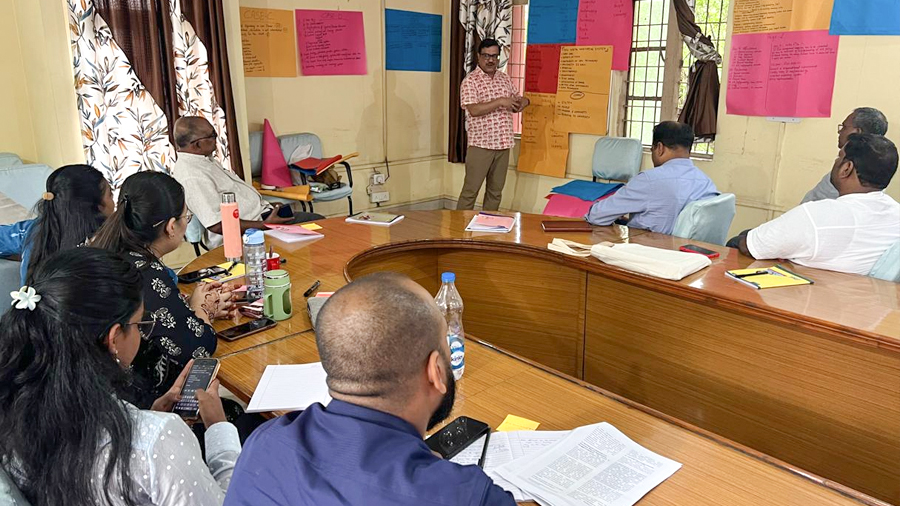
When NGOs Grow, What Breaks First? Caritas India Tackles the Answer in Raipur
Three-day workshop arms executive leaders with governance tools, a 20-policy framework and practical fixes for...
LEARN MORE 91 -11 - 23362735
  director@caritasindia.org


