
 91 -11 - 2336 3390
  director@caritasindia.org
 FARM program empowers impoverished families to create a sustainable change
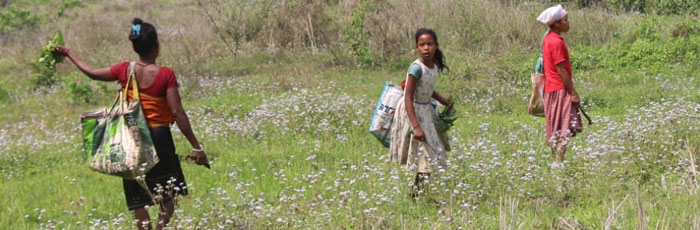
After years of living under deprivation, neglect and a state of ignorance, many in the 4 No. Kuthuri village under Guva panchayat, Morigaon district of Assam is bustling with self-sufficiency, contentment and happiness.
Around 89 landless Adivasi families were dependent on tea gardens for their livelihood as they did not have agricultural land. Women members of the family were employed in the tea garden on Rs. 6,000 per month salary which was not enough to manage the family expense. Some of the men used to look after the house and children whereas others used to go outside the village to work as daily wagers and other forms of labour work.
Determined to empower the local communities to achieve food sovereignty and increase nutritional food intake, the Caritas India FARM program has promoted farmers to build a sustainable farming system by cultivating indigenous crops.
Caritas India partner Guwahati Gana Seva Society (GGSS) observed that there was no scope for cultivation of paddy since they didn’t have any land and families. Even the availability of wild edibles was a challenge to sell due to lack of time and distance. Families were relying on rice from the public distribution system as their only staple food for survival.
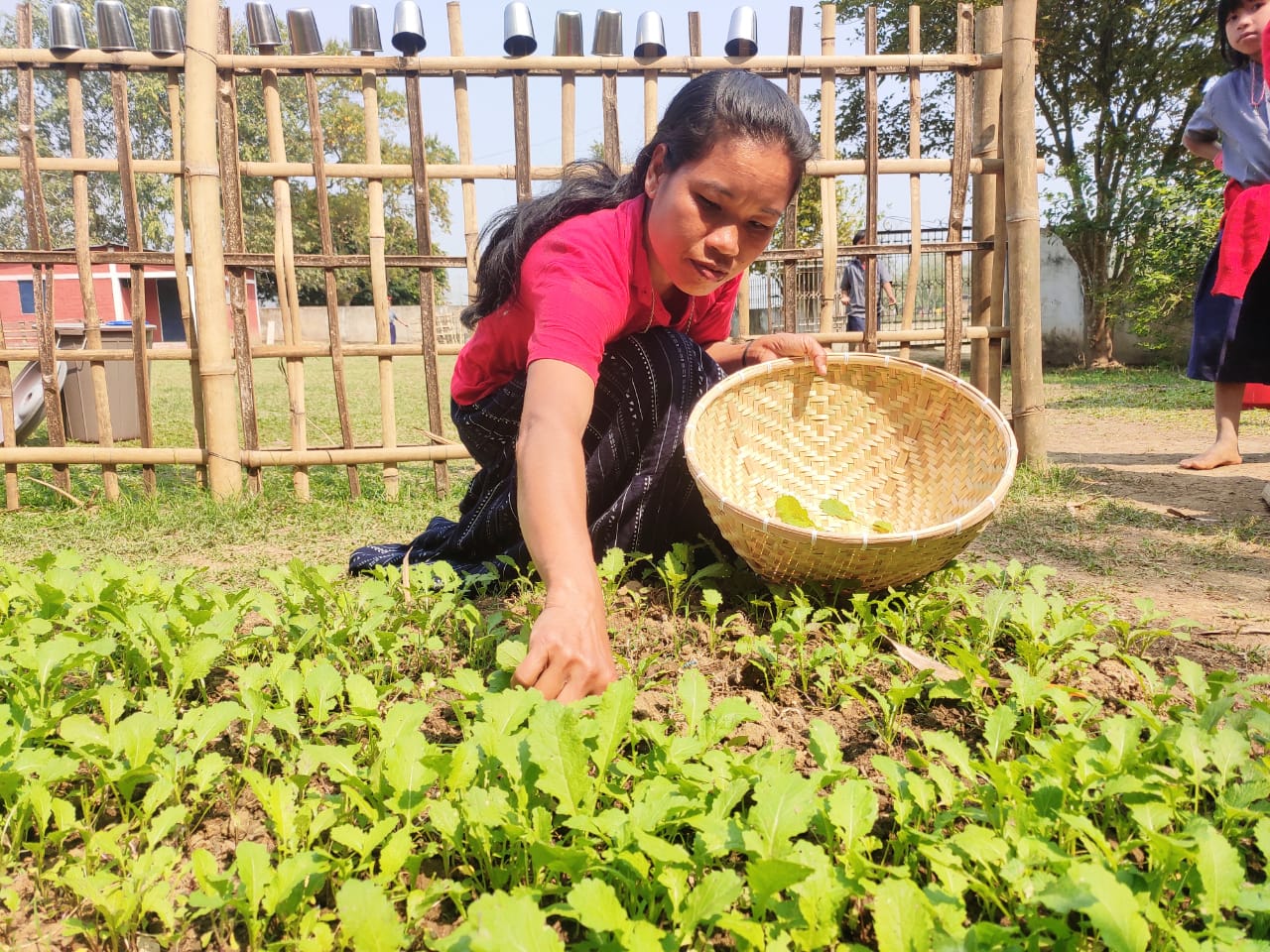
A kitchen garden was promoted in the household to fulfil the nutritional deficiency and families were encouraged to use the space near the house to cultivate a variety of seasonal vegetables. Unutilized community resources like cow dung were brought into use in the kitchen garden as manure.
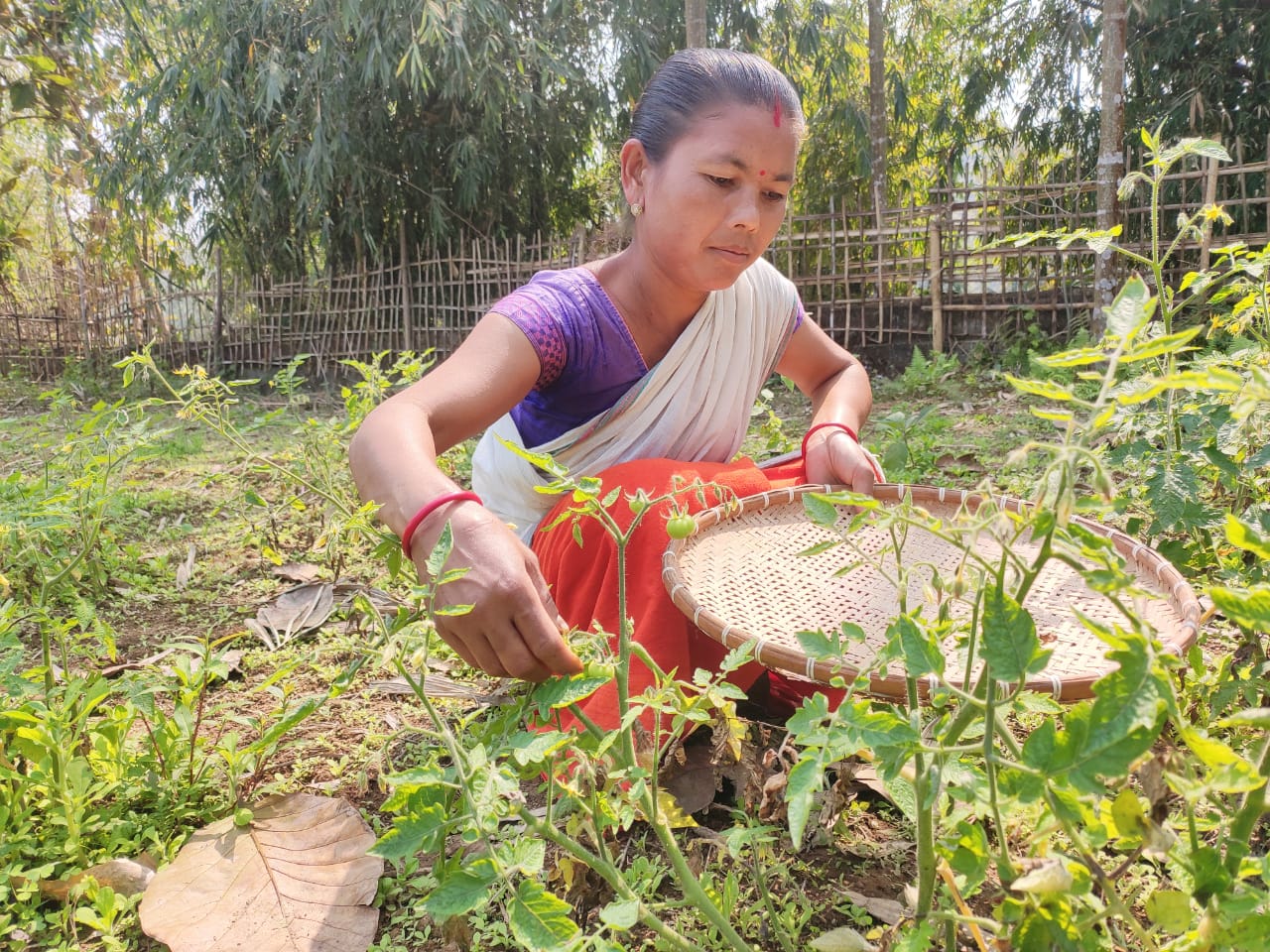
GGSS facilitated the community to collectively address some common issues, identify the scopes and work together for the solution with the resources available. The knowledge of indigenous food systems and traditional crops was promoted through seed exchange for preserving, conserving, and propagating the crops. Families were given hand holding support with additional indigenous seeds and a demo cum training program on composting manure and bio-pest repellent with cow dung and urine.
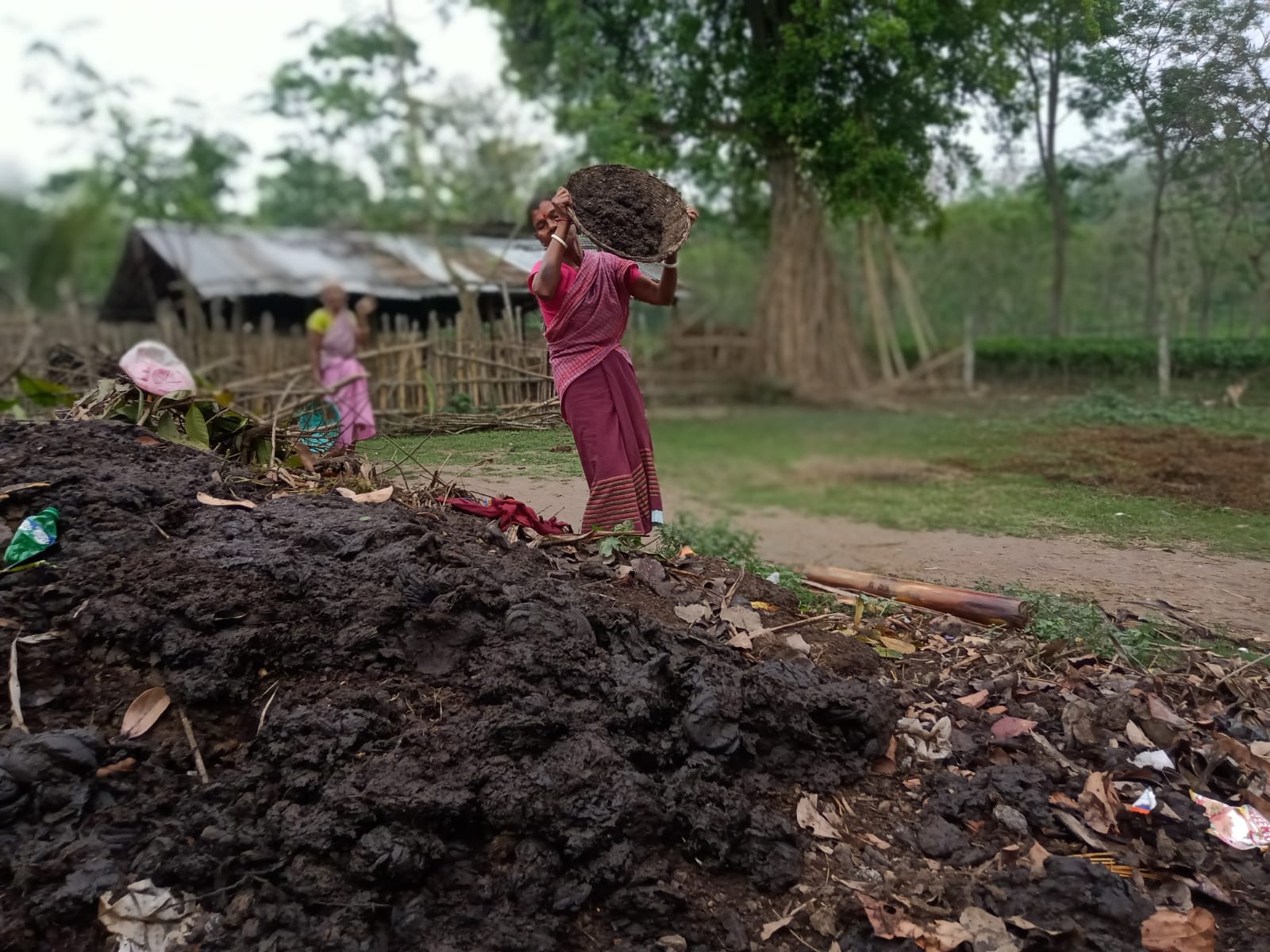
Rupali Munda, one of the family members from the village said that “By participating in the programs of FARM and getting the opportunity to interact with other communities has enlightened them to a great extent.” The families started a kitchen garden in their backyard, collect the cow dung dumped on daily basis from the commonplace as per their need and used it as manure in their vegetable garden to nurture the plants.
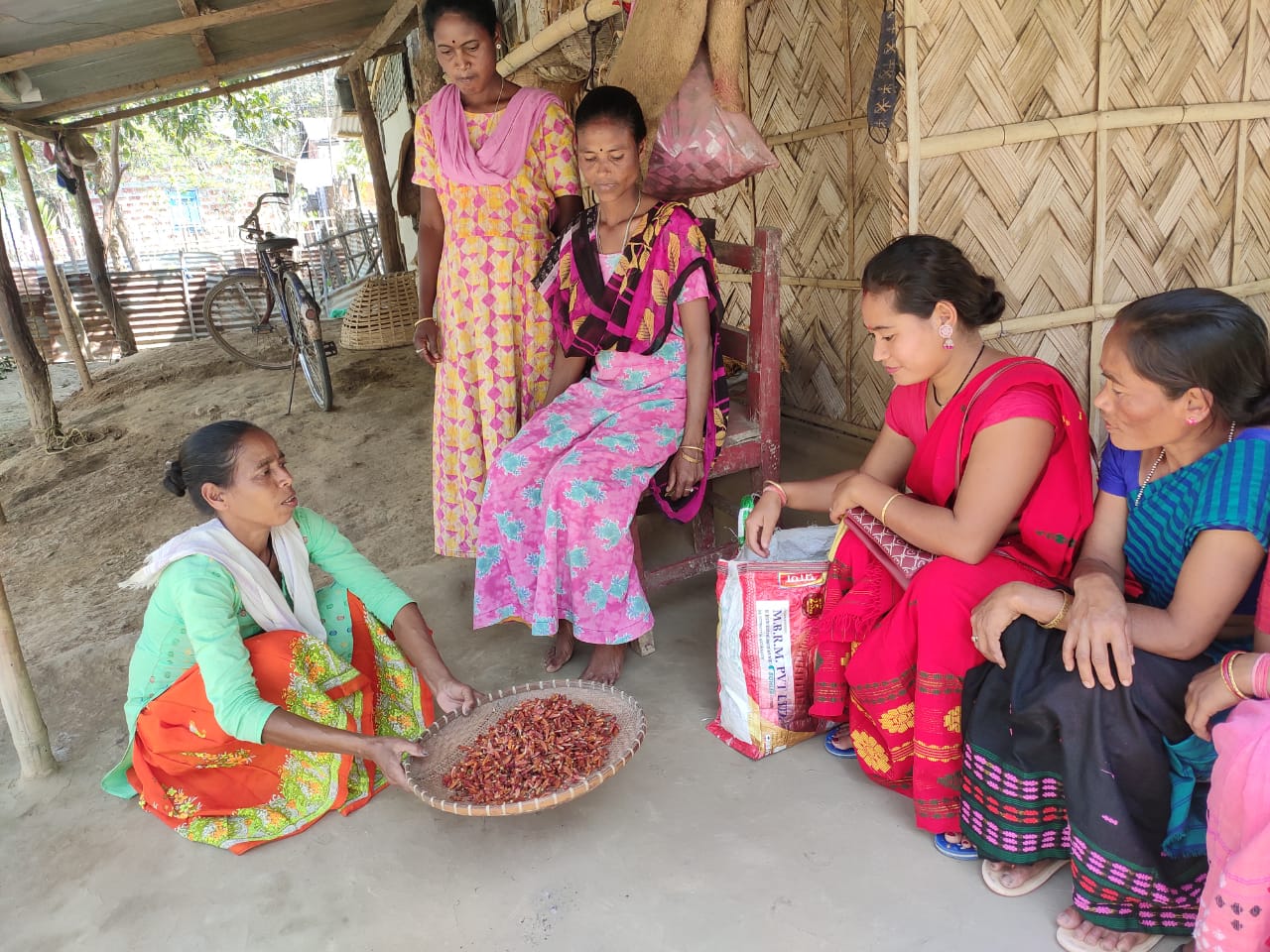
Over the period, other than working in tea gardens the families got engaged themselves in growing vegetables as per their needs in their garden. They are not only consuming them but also selling the surplus production and the wild edibles through a group of women farmers from another village involved in marketing. At present, around 60 families are having improved kitchen gardens with vegetables out of indigenous seeds and are using cow dung as manure.
The families are now prospering as the demand for their products has grown. They are selling vegetables, indigenous seeds, and wild edibles in the market. In the last 5-6 months, these families started getting a sustainable additional income of Rs 1,500 to 1,800 every month.
Upcoming News
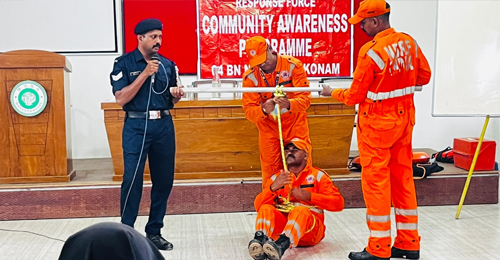
Ropes and Sacks Become Lifesaving Tools as NDRF Trains Wayanad’s First Responders
Long before an ambulance can reach a flooded village or a landslide hit hillside, it...
LEARN MORE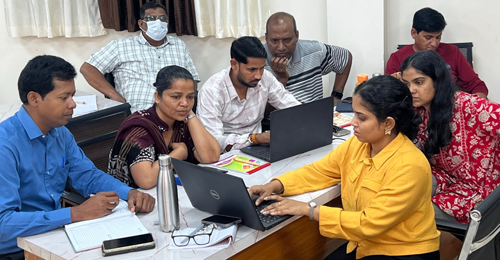
Caritas India Trains Partner Organisations in Evidence Based Project Proposal Writing
Some of the strongest community projects never get built, not for lack of need or...
LEARN MORE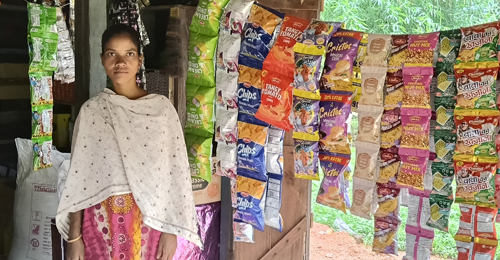
A Grocery Shop, a Mother’s Resolve, and Three Daughters Who Stayed in School
Three young girls in this remote village are attending school regularly today because their mother...
LEARN MORE 91 -11 - 23362735
  director@caritasindia.org


