
 91 -11 - 2336 3390
  director@caritasindia.org
 Kitchen gardens can be a blessing to rescue of plight of odisha migrants
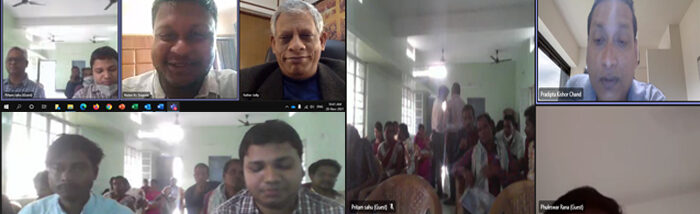
The kitchen garden can prove to be a blessing for a large number of migrant workers who have returned to their homes during the Covid Pandemic in Odisha.
Odisha is struggling to deal with the surge in migrant workers returning from Gujarat and other states. Returnee Migrant workers in Sundargarh and Bargarh district of Odisha are not keen to go back. This has put great pressure on lives and livelihood for the resident of these Districts in Odisha.
Caritas India plans to restore the livelihood of vulnerable families affected by Covid-19 in these selected districts by providing livelihood support through Kitchen Garden activities and Livestock support. Caritas India with the support of Caritas Japan has come forward to support 306 Odia migrant and vulnerable families from Bargarh & Sundargarh district, Odisha with Off-Farm Initiatives that emphasized promoting Kitchen Garden, Livestock and setting up on small shop enterprises to rebuild their livelihood sustainably. This program is developed in close collaboration with Sambalpur Social Service Society & Rourkela Social Service Society.
A virtual training program on Kitchen Garden, Baseline survey and Beneficiaries selection criteria was organised with the support of Caritas India’s consultant Dr. Pallab De.
Fr. (Dr.) Jolly Puthenpura, Assistant Director of Caritas India in his introductory message highlighted that Covid 19 pandemic has affected every individual, emphasizing more on the health impact as our intervention should focus on developing a well-balanced diet by promoting organic Kitchen Garden and retrieving the traditional food system. The training emphasized how to develop a fair understanding of the importance of establishing a kitchen garden at the homestead to ensure food and nutrition of the family and to generate income from the surplus.
A detailed session on the package for a single household for Kitchen Garden support, seed requirement (Brinjal, Tomato, Chilli, French bean, Cabbage, Radish, Dhania, Sag and Palak) for a household and Agronomic Practices were discussed during the training. A brief session on how to prepare Bio- manures to protect plants from insects & pests were initiated. Bio manure like LAMIT ARK – a bio pest repellent to control the effect of all insects and pests in vegetables, BEEJAMRIT to enhances the germination of the plant and prevent seed-borne diseases and JEEVAMRIT for effective fertilizer providing nutrition to the plants and helps to increase soil fertility were shared with the 36 volunteers of the program along with Community Educators from Odisha Livelihood Restoration programme and Gram Nirman programme in Chhattisgarh and Jharkhand.
These selected volunteer trainees would further orient the communities to promote Kitchen Garden. More than 216 families will be supported with Seeds supply in 18 villages from Bargarh & Sundargarh district, Odisha to initiate a kitchen garden. Caritas team has developed the Beneficiary Selection Criteria & Beneficiary Selection Committee which are formed to validate the beneficiaries. These
In future, Caritas will further enhance the volunteer’s skill and field team on the concept of Animal Husbandry and small shop enterprises
Upcoming News

Ropes and Sacks Become Lifesaving Tools as NDRF Trains Wayanad’s First Responders
Long before an ambulance can reach a flooded village or a landslide hit hillside, it...
LEARN MORE
Caritas India Trains Partner Organisations in Evidence Based Project Proposal Writing
Some of the strongest community projects never get built, not for lack of need or...
LEARN MORE
A Grocery Shop, a Mother’s Resolve, and Three Daughters Who Stayed in School
Three young girls in this remote village are attending school regularly today because their mother...
LEARN MORE 91 -11 - 23362735
  director@caritasindia.org


