
 91 -11 - 2336 3390
  director@caritasindia.org
 Children Lead the Fight for Safe Education
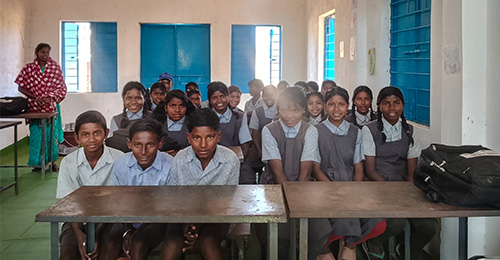
In Remhla, a small forest-surrounded village in the Sarguja district of Chhattisgarh, the middle school building had for decades been a space of learning, laughter and morning assemblies. Over time, however, the structure began to deteriorate. Deep cracks appeared on the walls, the roof started leaking, and pieces of plaster occasionally fell without warning. What was once a safe and familiar place gradually became a source of fear, casting a shadow over the daily learning of the children who studied there.
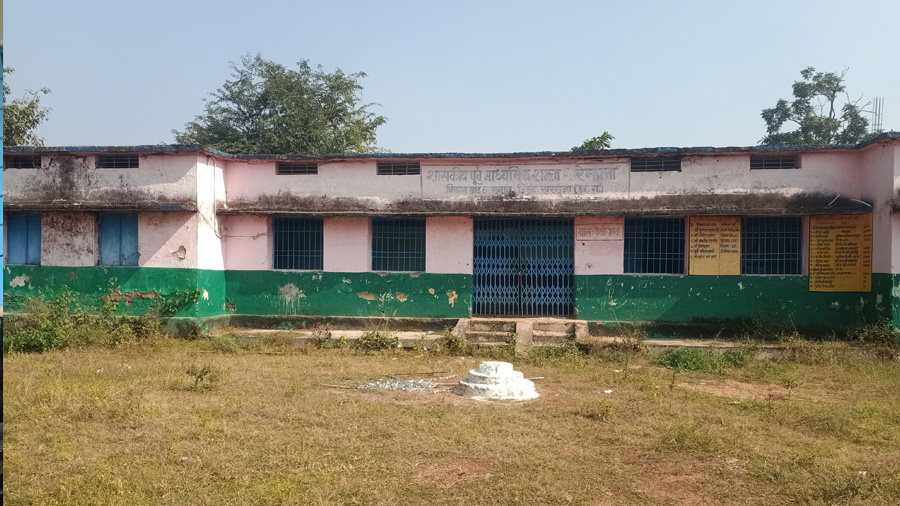
“Sometimes, while writing, a piece of the roof would fall near our desk,” recalled Laxmi, a Class 7 student. “We used to sit together in one corner, hoping that the roof would not collapse.” Parents had also grown increasingly anxious, and some stopped sending their children to school altogether. Attendance fell sharply, and conversations at the village square were often filled with worried sighs and a single question: what if the building collapses one day? While the larger community hesitated to act, the the children of Remhla Bal Panchayat saw the danger clearly and decided to act.
The issue first came to light during a meeting of the Bal Panchayat, the children’s collective formed by Khushaal Bachpan in Remhla. The Bal Panchayat, comprising children between the ages of 10 and 16, regularly discusses issues related to village development and collectively approaches decision makers, especially the Panchayat, to seek solutions. During the meeting of Bal Panchayat, Pawan Pando, the Bal Panchayat president, spoke firmly, “Every day we enter that classroom is a risk. If we keep waiting, something bad will happen. We must act now.”
Encouraged by the training received from Khushaal Bachpan, Pawan and the other Bal Panchayat members organised themselves to carry out a detailed inspection of the school. With guidance from their teacher, they carefully noted each concern, from widening cracks and a sagging roof to unstable walls. They took photographs and recorded their observations in a notebook. That evening, the children shared their findings with their parents. The children’s firsthand account of the school’s dilapidated condition shook the community. Many had not realised the severity of the risk until it was brought to light by the children themselves.
With courage outweighing their fear, the Bal Panchayat decided to bring the matter to the Gram Sabha, the village’s most important decision-making platform. On the day of the meeting, the children sat together in the front row nervous but determined. When their turn came, Roshni Korva, a class six student stood up, her voice steady, “if we wait any longer, someone will get hurt. We want a safe school. We don’t want to drop out of school. Please help us.” Her words left the room silent for a moment. Then came murmurs of agreement. The Sarpanch or the village head, moved by the children’s confidence, assured them the issue would be taken up immediately.
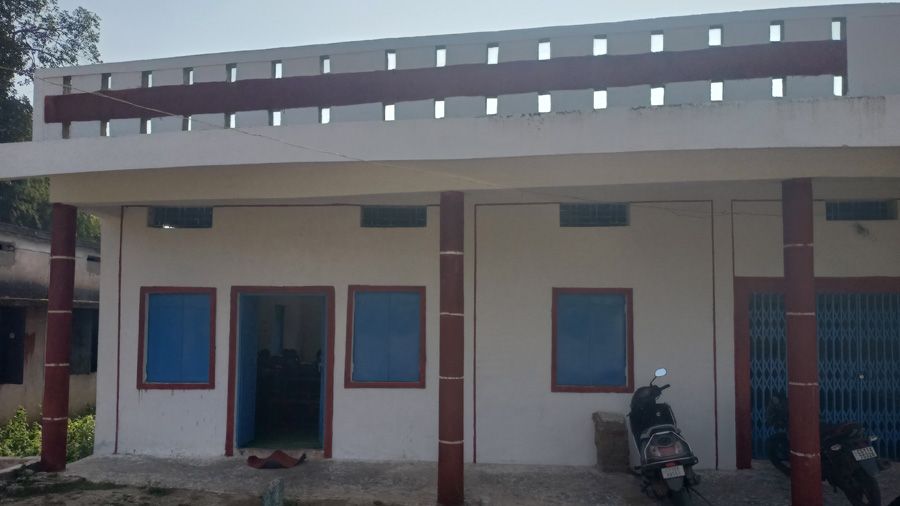
The Education Department responded by arranging a temporary solution: middle school classes would be shifted to the nearby primary school building and operate in two shifts. At first, the children felt relieved. But soon, they noticed new problems. Children living in the hilly hamlets had to return home very late after the afternoon session. Younger children struggled to concentrate with overlapping class times. Study time was reduced, and the arrangement soon felt like another barrier to learning. The Bal Panchayat met again. Vikas Pando, one of the senior members, expressed what everyone felt: “This is better than the broken building. But it’s not right. We need a proper, permanent place.”
Once again, the children gathered courage and approached the teachers. Together, they returned to the Gram Sabha which conducted on 16 August 2025 with a new proposal to relocate the middle school to the Panchayat Bhawan, an unused, spacious, and safe building. This time, the children presented clear reasons: safety, regular school hours, accessibility for all, and the need for a dedicated learning environment. Their clarity impressed the village elders. After discussion, the Gram Sabha passed the resolution: The Remhla middle school would be permanently shifted to the Panchayat Bhawan. Cheers erupted among the children. Their persistence had won.
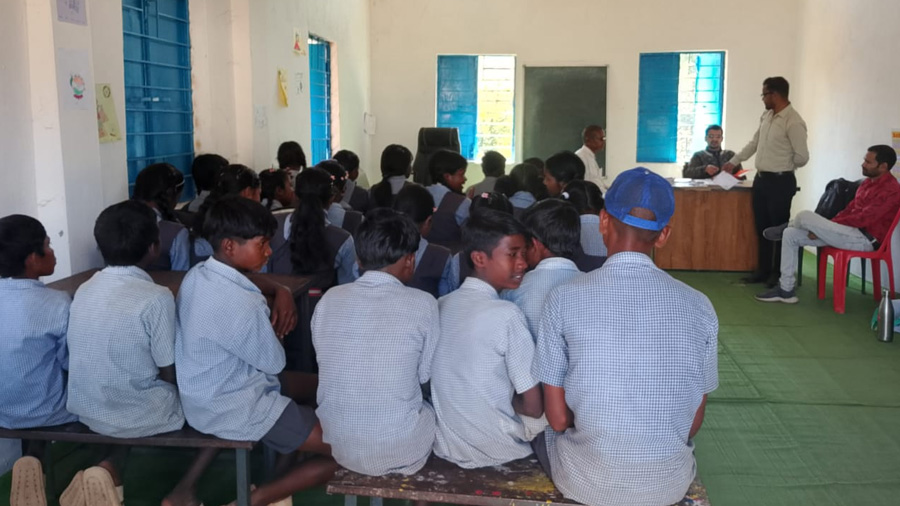
Within weeks, the Panchayat Bhawan was cleaned, repaired, and arranged as a functional school. On 25 August 2025 desks were shifted, teaching materials were relocated, and classrooms were created. “When we sat in the new classroom for the first time, it felt like a new life,” said Ansh Kumar, smiling broadly. “We felt safe. We felt heard.” Attendance improved immediately. Parents regained trust in the school, and teachers noticed renewed enthusiasm among students.
Upcoming News
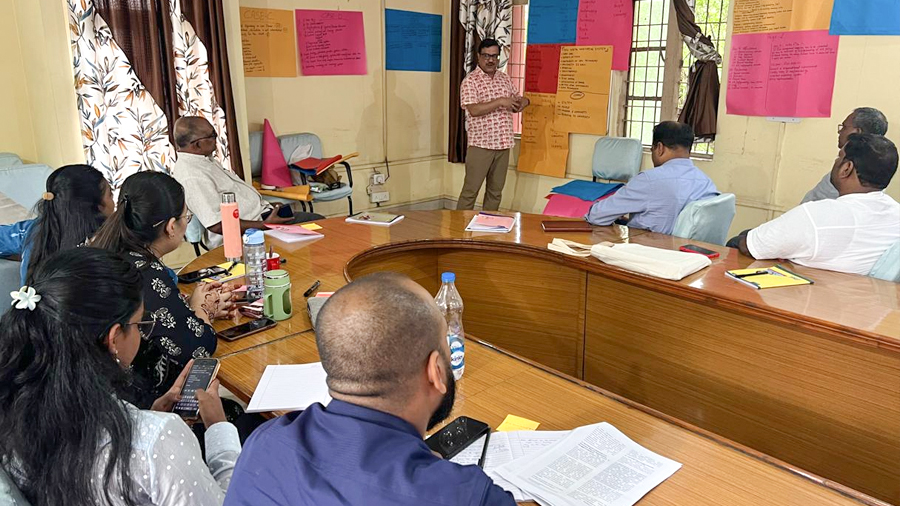
When NGOs Grow, What Breaks First? Caritas India Tackles the Answer in Raipur
Three-day workshop arms executive leaders with governance tools, a 20-policy framework and practical fixes for...
LEARN MORE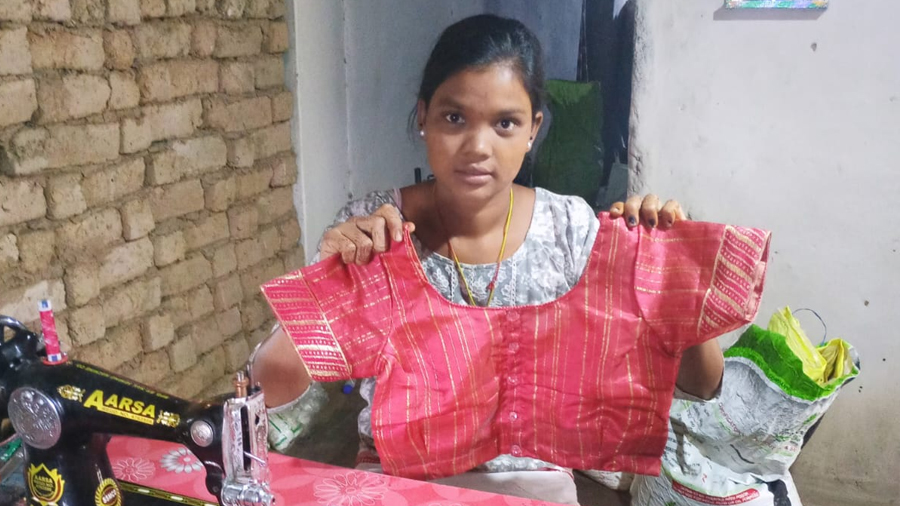
Nine Kilometres Through the Jungle: How Poornima Stitched Her Own Future
For 19 year old Poornima Rawat of Rajamma village in Lailunga block of Chhattisgarh's Raigarh...
LEARN MORE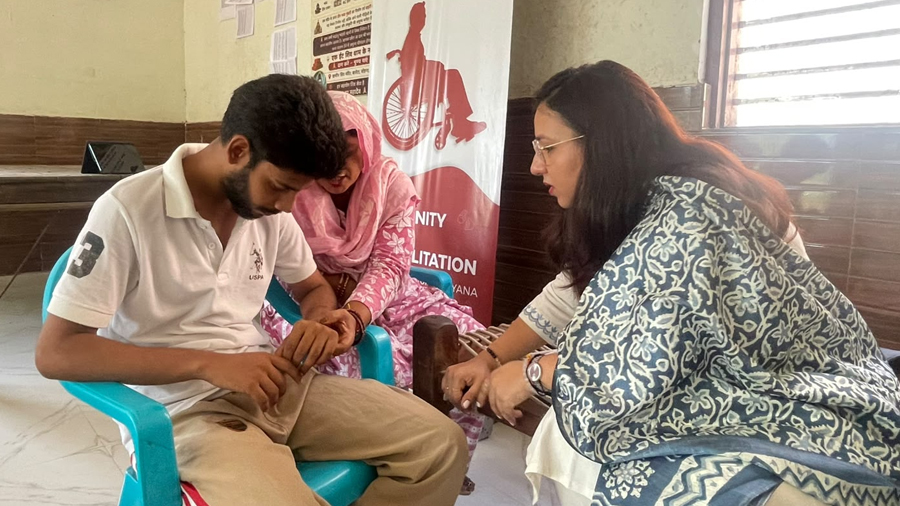
In a Nuh Village, People Living With Mental Illness Finally Got to Speak, and Be Heard
Nine people sat in that room in Barota village, Nuh district, Haryana, each carrying a...
LEARN MORE 91 -11 - 23362735
  director@caritasindia.org


