
 91 -11 - 2336 3390
  director@caritasindia.org
 How Faiz Learned to Walk Again with Physiotherapy and Orthotic Support
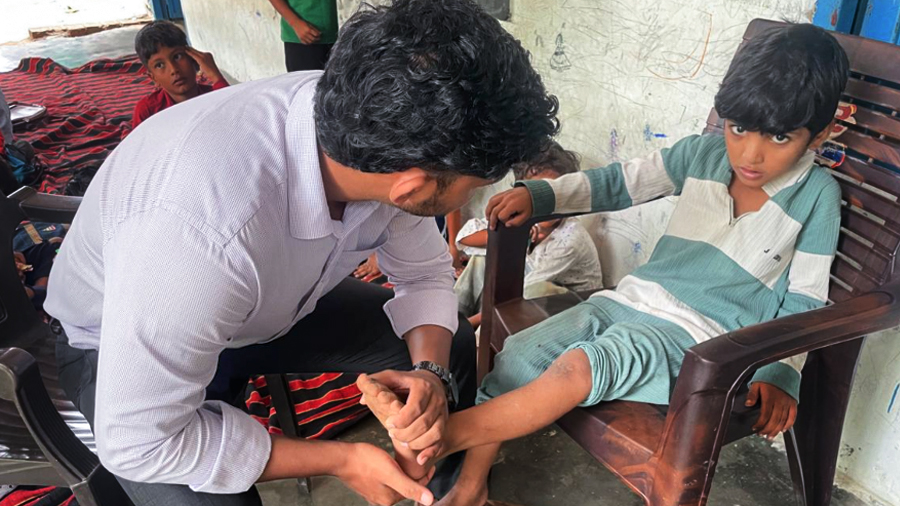
There is a particular kind of heartbreak in watching your child want to play and not being able to. For Kalsum and Sahun, that heartbreak was daily. Their son Faiz, a six year old boy from Rojka Meo village, was born with Cerebral Palsy and bilateral CTEV, a condition that caused him to walk on his toes with little stability. He would stand at the edge of games he could not join, steadied against a wall, watching other children run past him.
He was afraid to fall. And falling, for Faiz, happened often.
Sahun drives an auto rickshaw for a living, some days earning barely ₹250 to feed a family of seven. There was no room in that budget for uncertainty, yet uncertainty was all the family had. They visited hospital after hospital searching for a diagnosis and a plan for cerebral palsy treatment, but no one offered consistent physiotherapy or guidance. They learned to carry the worry quietly and hope for something better.
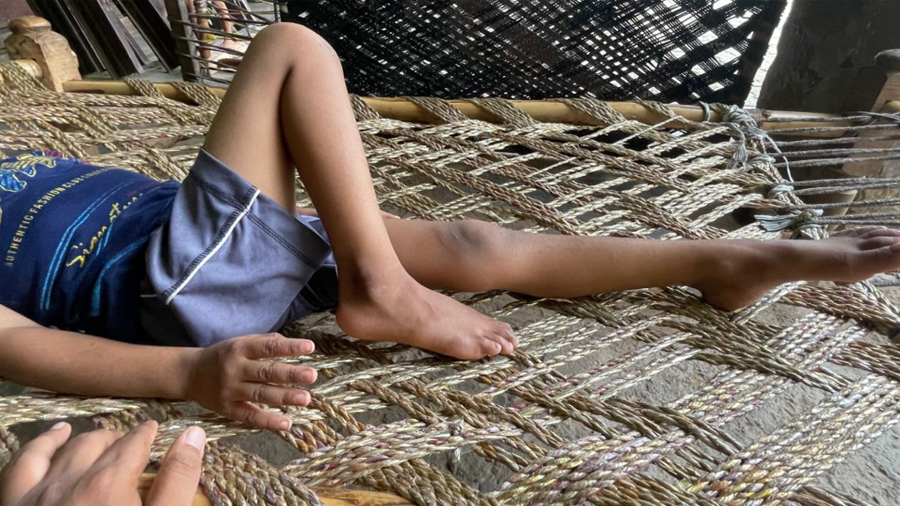
In July 2025, that changed. Faiz began a structured rehabilitation programme with Dr. Shivpujan, a physiotherapist, delivered through Caritas India’s disability support initiative in partnership with Roop Precision. This collaboration made it possible to offer Faiz regular physiotherapy sessions, consistent progress monitoring, and a home based exercise routine that Kalsum could practice with him between visits. For a family with no roadmap, this was the first real plan they had ever received, and it came at no cost to them.
By May 2026, as part of the same programme, Faiz was fitted with bilateral static Ankle Foot Orthoses, custom AFO splints designed to correct his posture and support his legs in a way his muscles could not yet manage alone. The orthotic device and the physiotherapy sessions together formed a complete intervention model, one built on consistency, family involvement, and regular clinical follow up.
What happened next is the kind of change a family remembers forever.
Faiz began to walk along walls, first with support, then increasingly on his own, using both active and passive assisted movement. He learned to climb on and off his bed without anyone lifting him. He reached out to shake hands and engage with people around him. He recognized other children, played with them, and began following simple instructions with growing confidence, something that had felt impossible before therapy began.
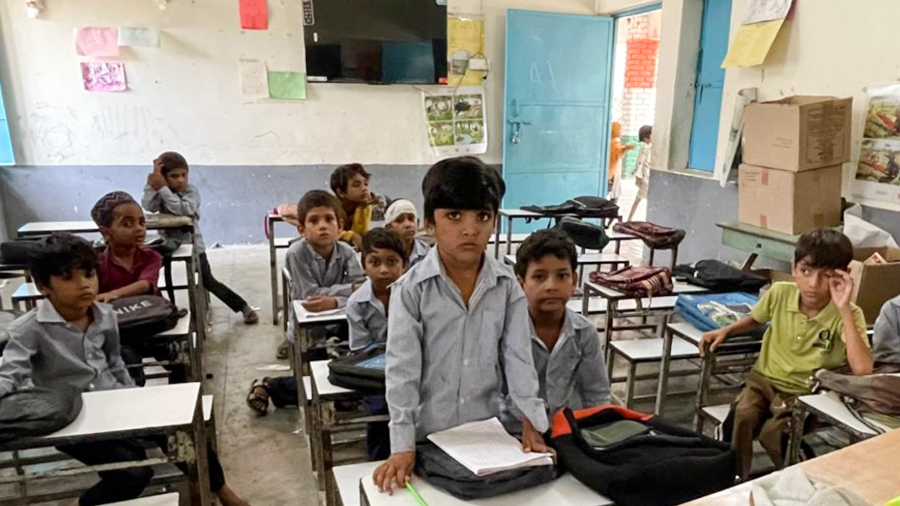
Then came the moment that mattered most to his parents. With his AFO splints supporting him, Faiz started walking to and from school by himself.
His teacher, Ms. Anita, keeps his attendance record: 54 days out of 65. For a child once defined by absenteeism due to his disability, that number reflects a complete transformation in his daily life, his confidence, and his sense of belonging among his peers.
Faiz’s rehabilitation journey continues. His physiotherapy will progress, and his orthotic devices will be adjusted as he grows, with ongoing support from the Caritas India and Roop Precision partnership. But something essential has already changed. He is no longer the boy standing at the edge of the game, afraid to join in.
He is walking toward it, one supported step at a time.
Upcoming News
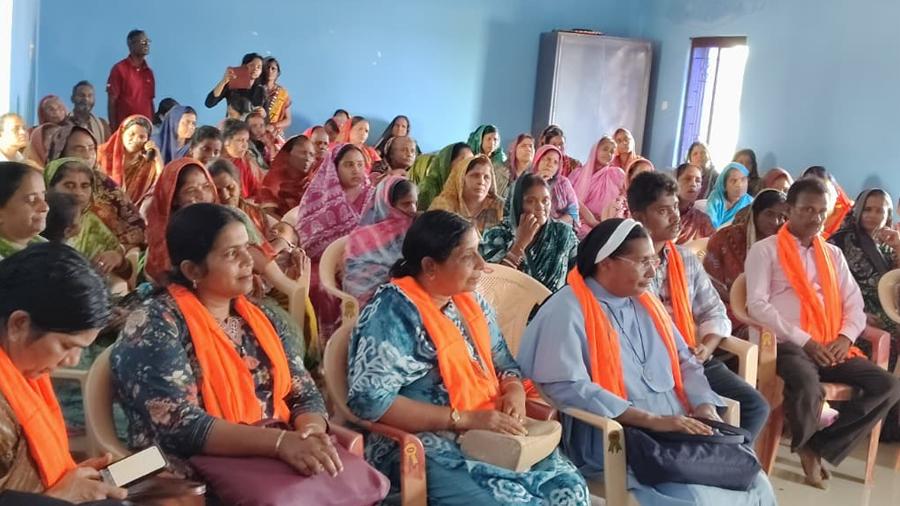
Kerala and Odisha Practitioners Come Together for Workshop on Humanitarian Aid and Disaster Risk Reduction
Disaster risk reduction practitioners from Kerala's Safe Within, Reconnect Wayanad and Vilangad Project travelled to...
LEARN MORE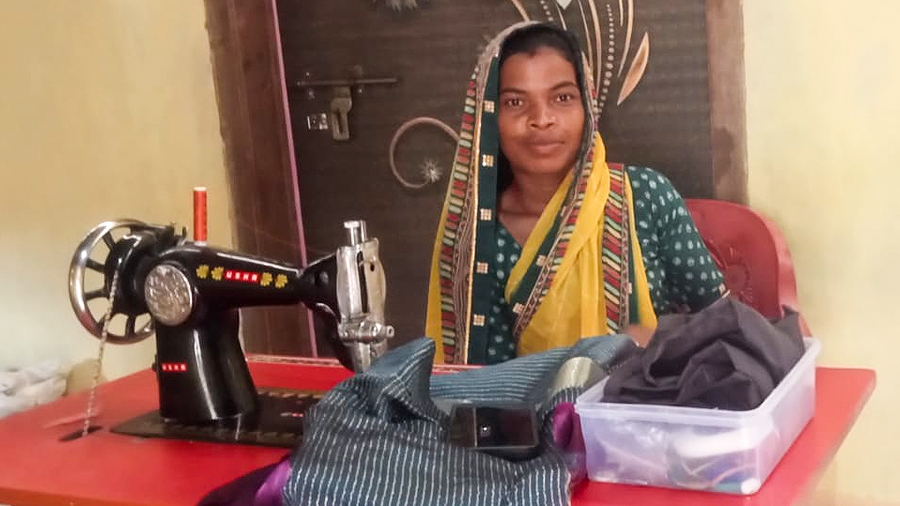
Every Stitch Keeps a Dream Alive
On the day Shiropati paid her children’s school fees from the money she earned through...
LEARN MORE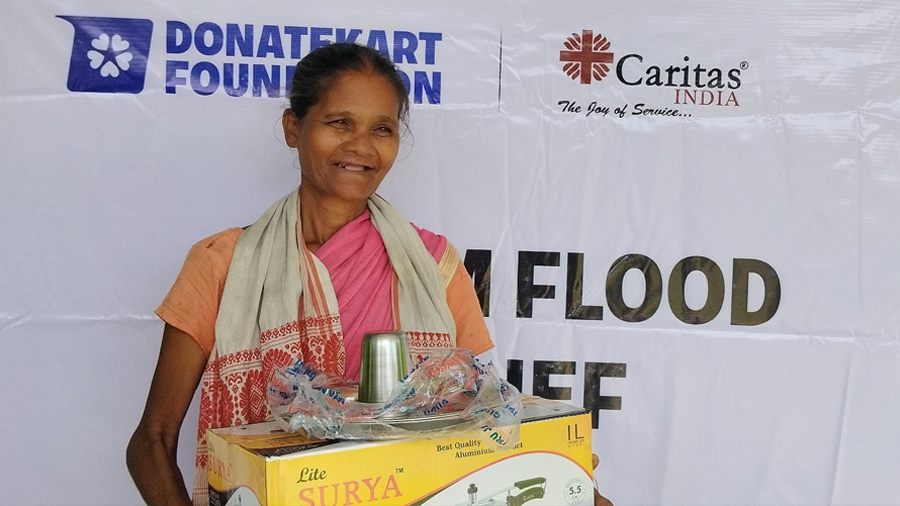
Assam Floods 2026: How 1,100 Families in Charaideo Are Rebuilding After Losing Everything
As floodwaters recede across Assam, leaving behind shattered homes and broken livelihoods, emergency humanitarian relief...
LEARN MORE 91 -11 - 2336 3390
  director@caritasindia.org


