
 91 -11 - 2336 3390
  director@caritasindia.org
 Kerala and Odisha Practitioners Come Together for Workshop on Humanitarian Aid and Disaster Risk Reduction
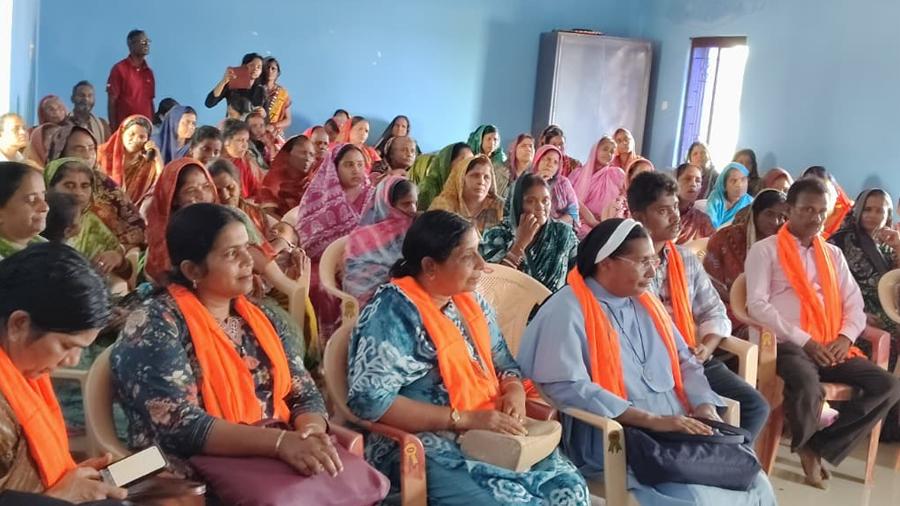
Disaster risk reduction practitioners from Kerala’s Safe Within, Reconnect Wayanad and Vilangad Project travelled to Odisha this month for a three day learning exchange built around a workshop on humanitarian aid and disaster risk reduction, organised under CIDAL at Catholic Charity, Odisha. The exchange, held from 10 August 2026, brought Kerala and Odisha practitioners together to compare how their communities prepare for very different hazards, from floods and landslides to cyclones and earthquakes, and to build stronger disaster response skills across both regions.
The most striking moment of the workshop on humanitarian aid and disaster risk reduction came during a mock evacuation drill on its second day, when the first attempt exposed a serious gap: a person with a disability was nearly left behind. A second attempt, run after participants reflected on what had gone wrong and clarified who was responsible for what, was far more coordinated and inclusive. Organisers called it the clearest lesson of the exchange, that a preparedness plan only actually works once it has been practiced with everyone in mind, including those most likely to be overlooked in a crisis.
Field Visit to Bodas Sets the Stage
Before the workshop began, the Kerala team’s first stop, on 10 August, was Bodas, a flood prone community where students, teachers and parents have jointly built hazard and evacuation maps for their school. Children there could explain evacuation routes, safe areas and emergency actions with real confidence, the result of regular mock drills, competitions and training delivered by Fire and Rescue personnel, all coordinated through a School Disaster Management Committee that includes school management, teachers, parents and students. The school had also mapped local hazards ranging from lightning and snakes to falling coconuts and branches, and linked each one to a working contingency plan rather than leaving it as paperwork.
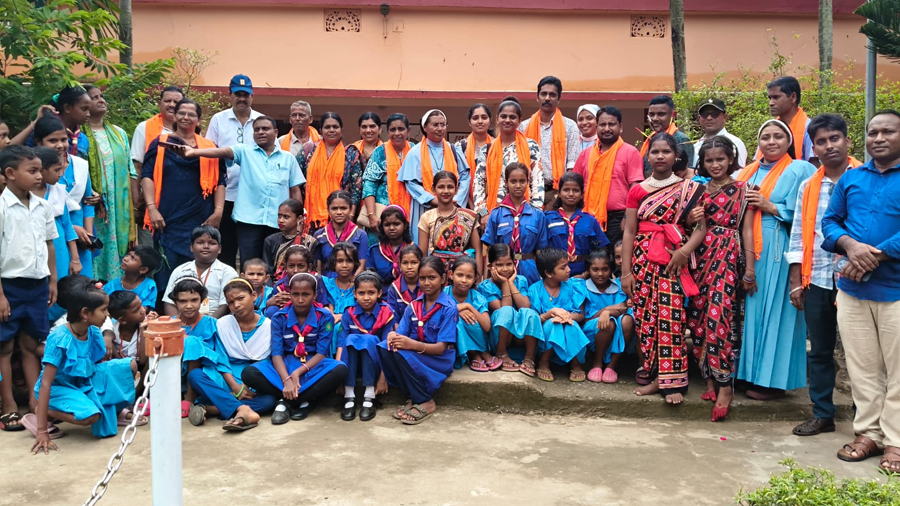
The visit also highlighted the Village Disaster Management Committee, where trained women take charge during flood emergencies, a detail the Kerala visitors said was one of the most inspiring parts of the trip. An early warning system combining WhatsApp groups, microphones and word of mouth ensures alerts reach people through both digital and traditional channels. Risk information gathered by the school and community does not stay local either. It feeds directly into the Gram Panchayat’s development plans, linking what people on the ground know to how local government plans for disasters.
Inside the CIDAL Workshop on Humanitarian Aid and Disaster Risk Reduction
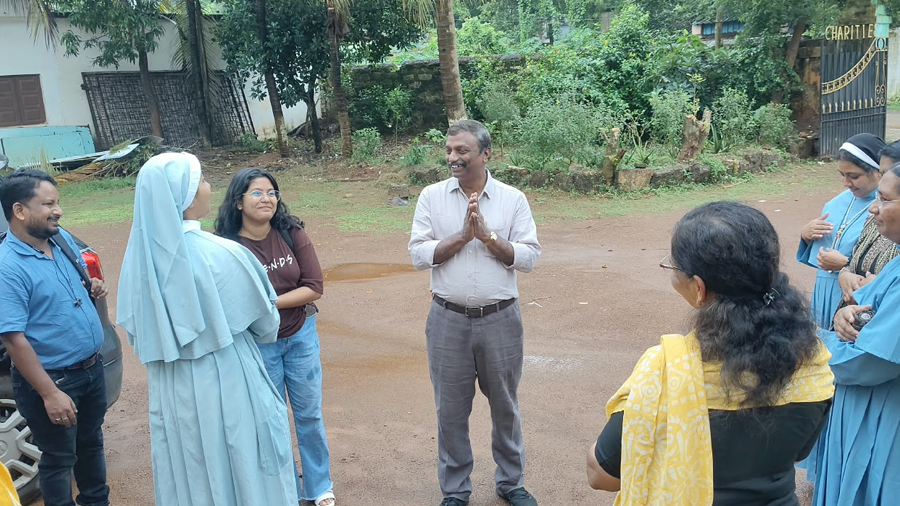
At the workshop that followed the field visit, participants worked through dilemma based exercises built around the four humanitarian principles, Humanity, Impartiality, Neutrality and Independence, examining hard choices humanitarian workers face when relief is limited and outside pressures come into play. Dr. Haridas of Caritas India’s Climate Desk led a session connecting scientific concepts, including lightning, thunderstorms, cloud formation and the distinction between a hazard, an accident and a disaster, to practical community level preparedness. The session also touched on how environmental degradation, including coastal erosion and plastic pollution, adds to community vulnerability over time.
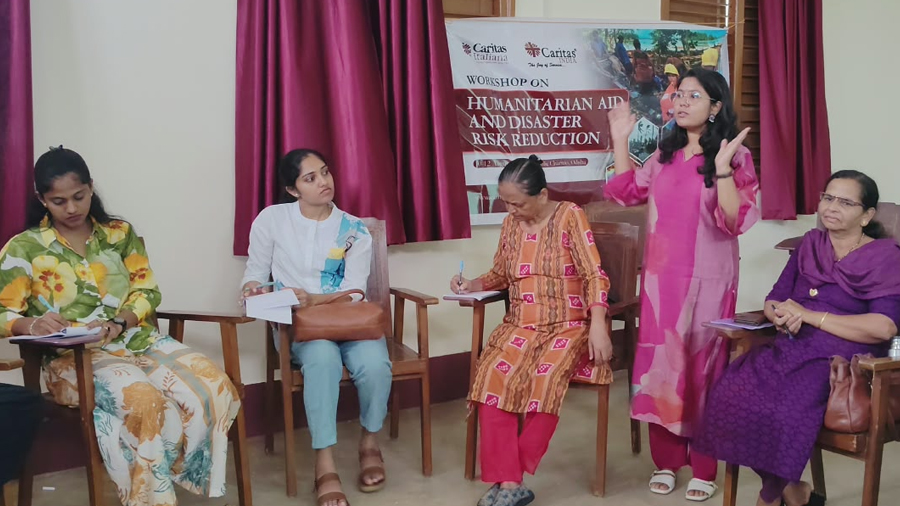
Monisha Majumdar of the DRR Desk facilitated sessions on the second day using the framework Risk equals Hazard multiplied by Vulnerability divided by Capacity, guiding participants through community mapping exercises that identified hazards, vulnerable groups, critical infrastructure, safe areas and available resources. Later sessions moved into practical response planning across five sectors: WASH, Shelter, Food Security, Health and Protection, with participants working through realistic scenarios to assess needs and coordinate across sectors rather than in isolation.
What the Exchange Means for Kerala and Odisha
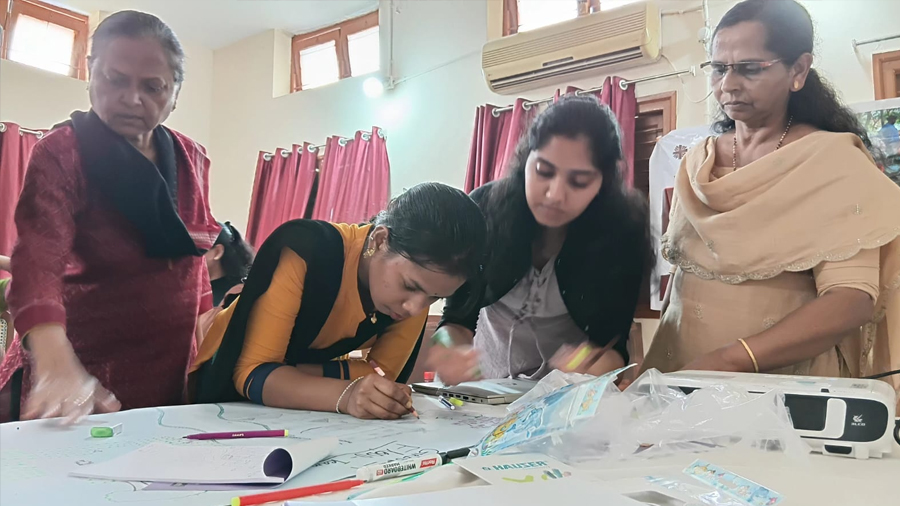
The Safe Within Project works across flood and landslide prone areas of Wayanad and Kozhikode in Kerala. Organisers said the Bodas model, particularly its school community linkages, women led committees and Panchayat convergence, offers ideas that could be adapted directly to Kerala’s own preparedness work. Odisha practitioners said they came away with a clearer picture of how Kerala communities approach flood and landslide response.
Participants from both states are expected to carry lessons from this workshop on humanitarian aid and disaster risk reduction back into their field programmes in the coming months, with organisers hoping the shared experience leads to stronger school community linkages, more inclusive drills and closer coordination with local Panchayats on both sides.
Upcoming News
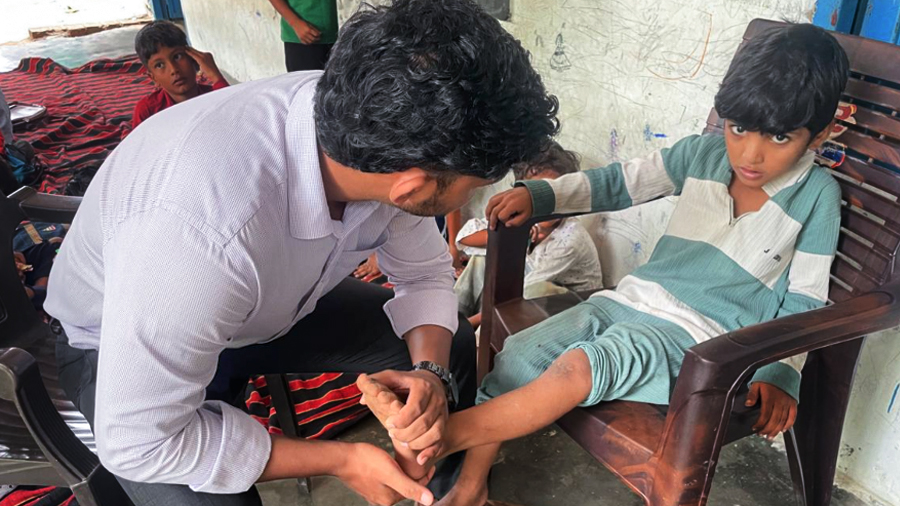
How Faiz Learned to Walk Again with Physiotherapy and Orthotic Support
There is a particular kind of heartbreak in watching your child want to play and...
LEARN MORE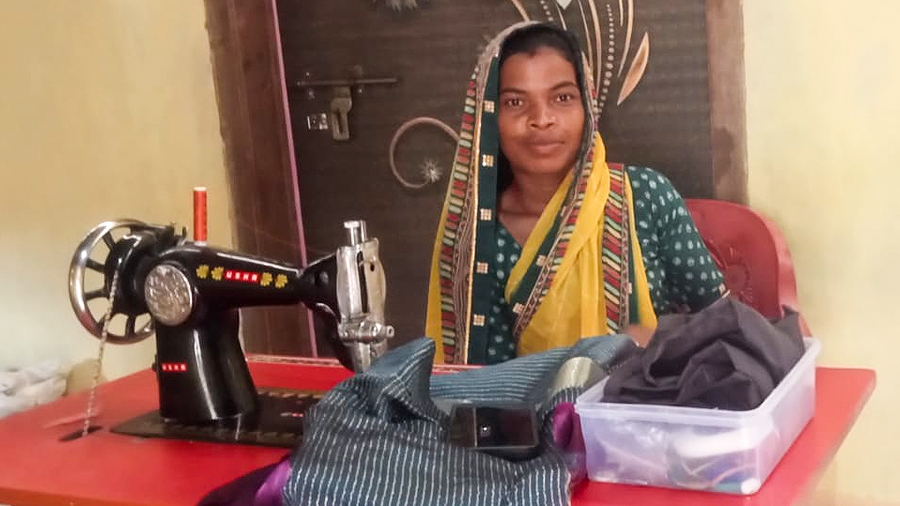
Every Stitch Keeps a Dream Alive
On the day Shiropati paid her children’s school fees from the money she earned through...
LEARN MORE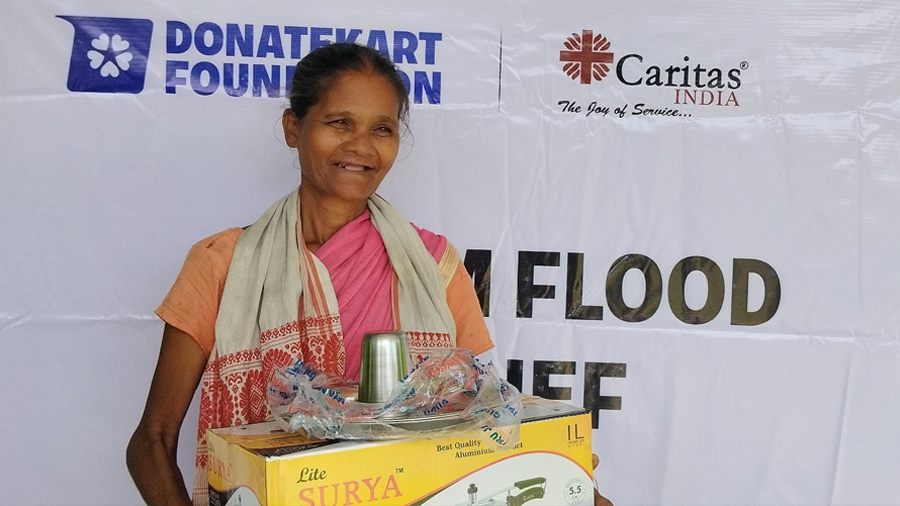
Assam Floods 2026: How 1,100 Families in Charaideo Are Rebuilding After Losing Everything
As floodwaters recede across Assam, leaving behind shattered homes and broken livelihoods, emergency humanitarian relief...
LEARN MORE 91 -11 - 2336 3390
  director@caritasindia.org


