
 91 -11 - 2336 3390
  director@caritasindia.org
 AutoShakti Opened a Door for Kalayarsi
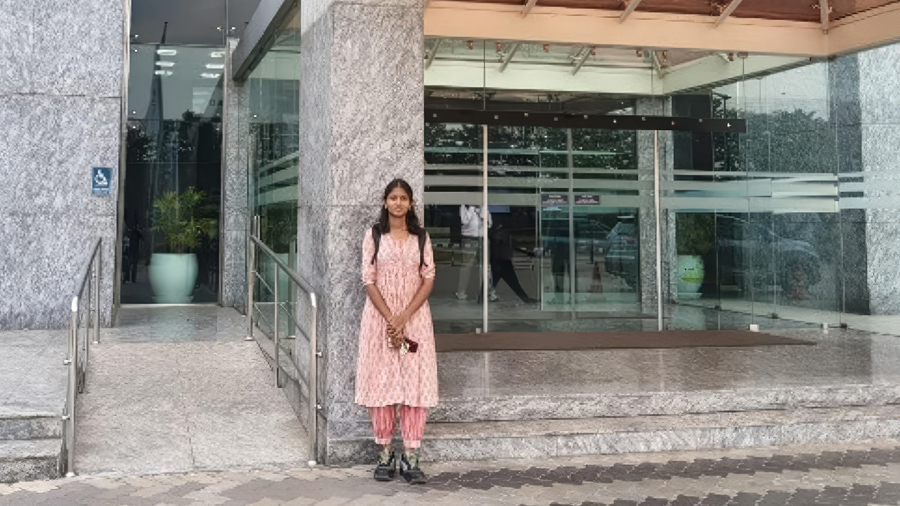
In Mambakkam village near Sriperumbudur, the mornings begin early at Kalayarsi’s home. Her mother prepares and sells dosa batter. Her father works on a contract, and the work comes and goes. Her elder sister has a private job with a modest salary, and her younger brother is still in school. It is a family of four that stretches every rupee, and Kalayarsi, a 27 year old graduate, knew she wanted to be the one who changed that.
A degree alone had not been enough. Like many young women in her community, she had the qualification but not the industry skills, the exposure or the confidence to step into a stable job. The options within reach were low paid and uncertain.
Then came AutoShakti. The programme was launched on 14 July 2026 in Sriperumbudur, one of India’s largest automotive manufacturing hubs, as a CSR initiative of Highway Roop Precision Technologies Limited. It offers women technical training, soft skills, workplace safety orientation and placement support. Caritas India is implementing it with the Tamil Nadu Apex Skill Development Centre for Automobile and the Tamil Nadu State Rural Livelihood Mission, bringing industry, government and the development sector together.
Kalayarsi was there from the very first day. At the launch she spoke up with confidence about what she hoped to gain, new skills and a better livelihood. She then attended the orientation, where she learned that AutoShakti was about more than machines and technique. It was also about confidence, readiness for the workplace and preparing women for work that lasts.
That preparation paid off. Kalayarsi appeared for an interview supported by the TN Apex Skill Centre for Automobile and Caritas India, and she was selected for a placement at Daimler with a salary of Rs 25,000.
For a family that has lived with uncertain income, this changes the picture. A graduate who once searched for any stable work now holds a place in one of the country’s most respected automotive companies. She is on her way to becoming the financial support her family has needed.
At the start of the journey, Kalayarsi said she wanted to develop her skills, get a stable job and become financially independent, so that she could support her family and build a better future. Today, that sentence is turning into her reality.
Kalayarsi is one of many women in Tamil Nadu who are ready to work but need a bridge into industry. The state already employs 43 percent of India’s female factory workers, and AutoShakti helps more women from nearby villages join that shop floor with skills the industry values. The initiative also supports national priorities such as Skill India and Make in India, by narrowing the gender gap in manufacturing.
This bridge is what Caritas India does best. For more than six decades, the organisation has worked with marginalised communities, moving from charity to empowerment. Its livelihood and skill development work gives people the tools to earn with dignity, and its partnerships with industry and government help skills turn into jobs.
Kalayarsi’s journey shows what that looks like in one home in Mambakkam, with one young woman, one interview and one new beginning.
Upcoming News
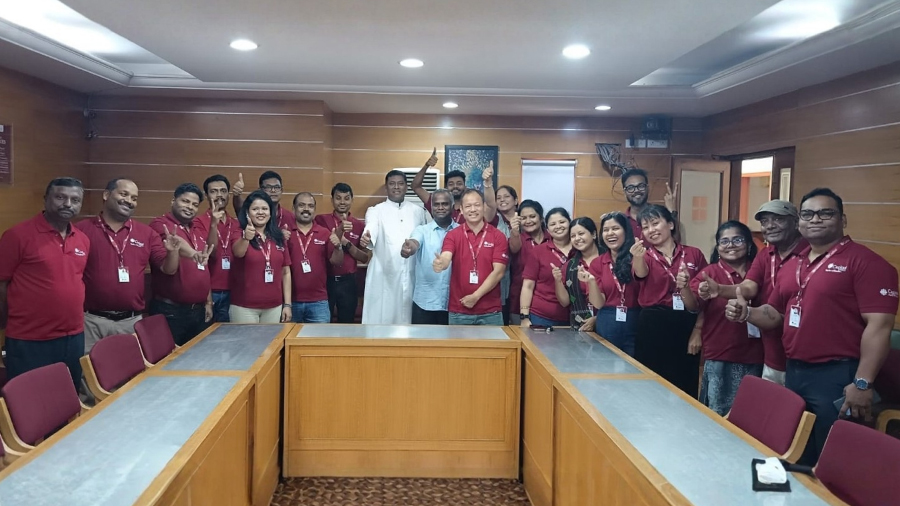
Caritas India Marks 64 Years of Service with Gratitude and Renewed Commitment
"Christian love cannot remain only in our hearts. Love must become action." With these words,...
LEARN MORE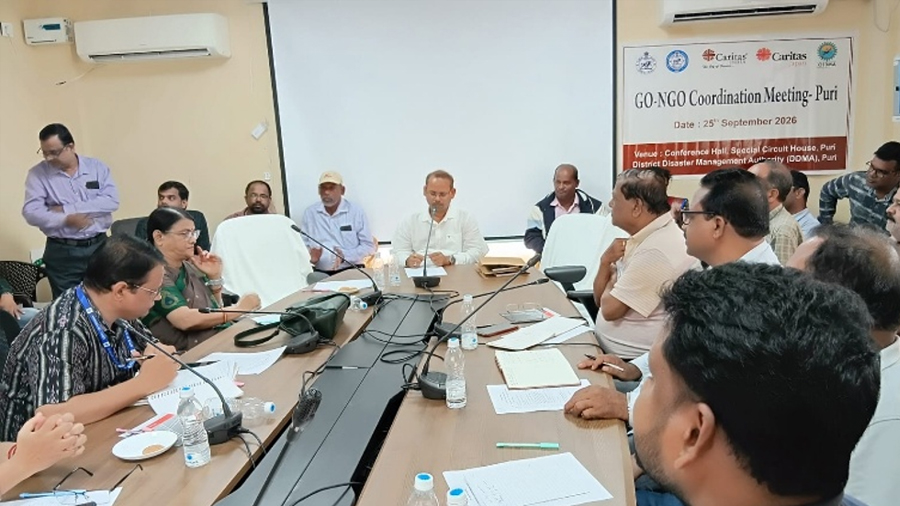
Government and NGOs agreed to set-up One Platform for Disaster Preparedness in Puri, Odisha
Government departments and more than 20 NGOs in Puri district agreed to set up a...
LEARN MORE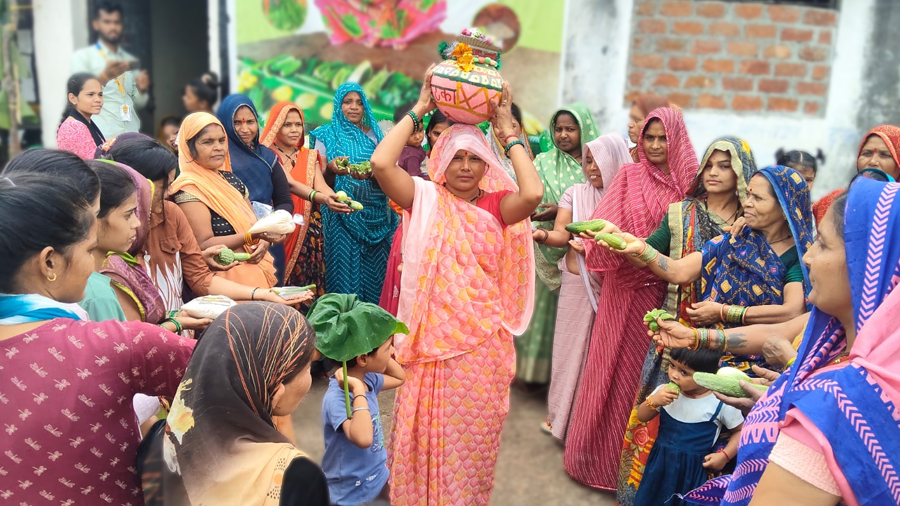
From Anganwadi to Kitchen Garden, SAFBIN Brings Nutrition Month Home to Madhya Pradesh
Nutrition is not only about having enough food. It is about the right food, in...
LEARN MORE 91 -11 - 23362735
  director@caritasindia.org


