
 91 -11 - 2336 3390
  director@caritasindia.org
 CAMBIT Brings Caritas Together in Bangkok
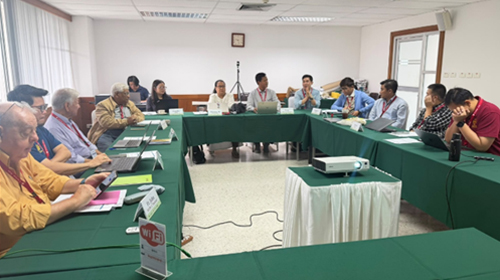
At a regional meeting in Bangkok from 24 to 25 September 2026, Caritas India reaffirmed its humanitarian commitment to vulnerable families, including displaced people and the communities that host them.
Behind every humanitarian response are families who simply want safety, food and a chance to rebuild. This was the thought that guided Caritas India at the CAMBIT follow up meeting in Bangkok organised by Caritas Asia.
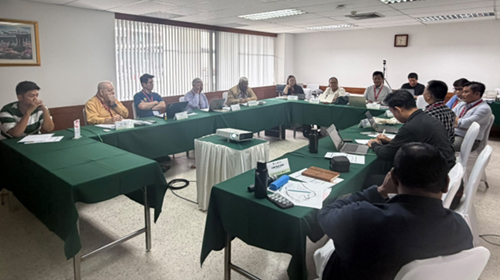
Fr. R. Jesudass, Executive Director of Caritas India, attended in person. Mr. Thangsha Sebastian, the CAMBIT focal point for Caritas India, joined online. Fifteen participants from Caritas organisations in Asia came together to review the purpose of the consortium and how members can cooperate better in a changing regional context.
Mr. Thangsha shared field experiences from parts of northeast India, where people who have come in search of safety live alongside local communities. Many families stay in community shelters, rented rooms or with host families, and depend on irregular daily wage work. Food, shelter, water and sanitation, healthcare, education, protection and livelihoods remain pressing needs. Churches, local communities and civil society groups are helping, yet resources are limited, and some areas are hard to reach.
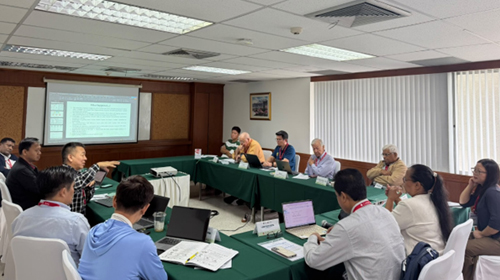
Caritas India stressed that host communities deserve equal attention, since they share their own limited resources with generosity. Possible areas of future work include community resilience hubs, mobile service outreach, skills and livelihood support, women led enterprises and child friendly learning spaces. Activities that bring different communities together to build trust and mutual support were also suggested. Any such work would be taken up only after needs assessments, consultations with partners and confirmation of funding, and always within the framework of Indian laws and in coordination with the relevant authorities.
Fr. Jesudass spoke about synodality, which means listening, dialogue, participation and discernment. He said the Church’s humanitarian mission must go beyond individual projects and funding cycles and remain rooted in solidarity with people who are suffering. He also called for clear institutional arrangements and closer engagement with existing Church structures.
Participants also reviewed a draft Terms of Reference for the consortium. It proposes Caritas Asia as regional coordinator, a steering committee of national directors and focal points from each member organisation. The document is still in draft form and has not yet been formally adopted.
Next steps include receiving the final meeting record, confirming focal points and communication channels, and developing practical programme ideas. Caritas India will continue to serve with humility, respect and care for all who are in need.
Upcoming News
Sumit’s Reintegration Journey Back to Kaithal
When Sumit finished his 12th standard in Kaithal, Haryana, the world beyond his village seemed...
LEARN MORE
Learning Social Work Beyond the Classroom at Caritas India
It is one thing to read about social work in a textbook and another to...
LEARN MORE
Caritas India Marks 64 Years of Service with Gratitude and Renewed Commitment
"Christian love cannot remain only in our hearts. Love must become action." With these words,...
LEARN MORE 91 -11 - 23362735
  director@caritasindia.org


