
 91 -11 - 2336 3390
 director@caritasindia.org
For the First Time, Her Crop Survived the Weather. Now Rooprani Shares What She Learned
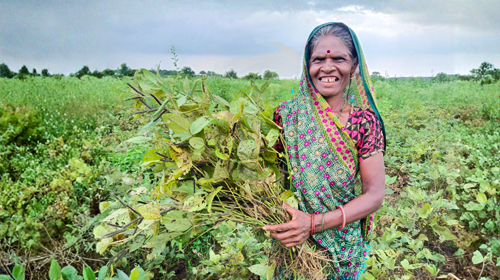
“Earlier, our family depended mainly on one Kharif crop. After harvesting, we often faced financial difficulties because we did not have irrigation facilities or other reliable sources of income.”
Mrs. Rooprani Adivasi, a smallholder tribal farmer from Tinsua village in Sagar district, Madhya Pradesh, farms about three acres of land. Before she joined the SAFBIN programme, her family’s livelihood rested on that single crop, and a lot could go wrong. Cultivation was expensive, the rains decided everything, there was no irrigation and there were few other ways to earn.
A year that ended in migration
Her family was not alone. Like many tribal families in the village, they faced seasonal migration after the Kharif harvest, leaving in search of supplementary work and income. The household was economically vulnerable, and it had little to fall back on.
A first step into the Farmer Field School
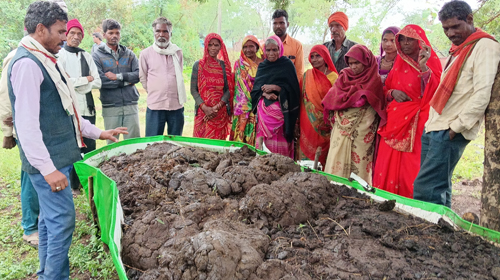
In early 2025, SAFBIN field staff reached out through community mobilisation and counselling. Rooprani joined the Smallholder Farmer Community and began attending Farmer Field School sessions. The programme is implemented by Manav Vikas Seva Sangh, with technical support from Caritas India and Caritas Austria.
The programme looked at the whole household. Alongside farming and livelihood support, it offered psychosocial support, motivation and confidence-building, so that the family could take an active part in its own development.
Learning, then trying
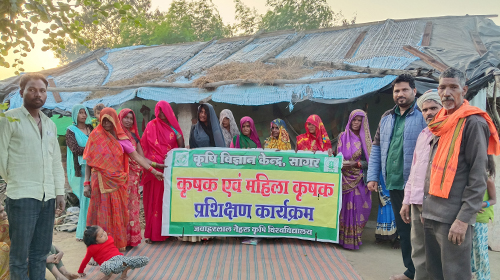
Over 15 Farmer Field School sessions, Rooprani learned Integrated Nutrient Management, Integrated Pest Management and bio-based inputs such as Jeevamrit, Dashparni and Tejlal. In the 2025 Kharif season, she put it into practice. She grew black gram (Azad 1 variety) on one acre and harvested 3.60 quintals of good-quality produce.
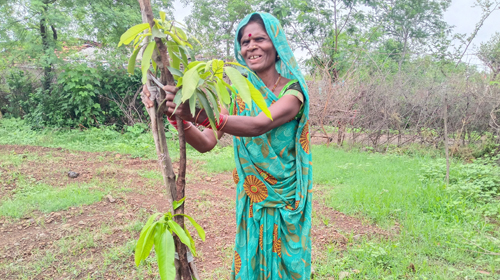
For the first time, she had a good harvest without significant climate-related crop losses. Against a cultivation cost of ₹4,500, she earned ₹21,600, a net return of ₹17,100.
“Through SAFBIN, I learned about sustainable farming practices and started applying them in my field.”
One crop becomes many
SAFBIN then encouraged her to diversify. Alongside black gram, she began growing okra, tomato, cauliflower, bottle gourd and chilli. The vegetables brought an estimated net profit of ₹40,000 and gave the household a regular supply of fresh, nutritious food.
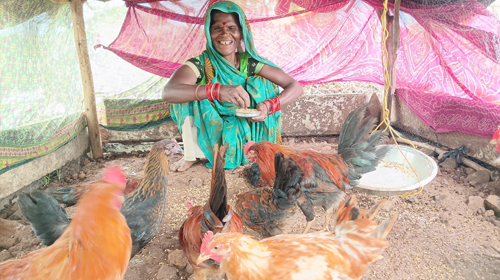
Next came backyard poultry. Through a government scheme, she received 10 pairs of birds around six months ago. Using household resources and space, she built a supplementary enterprise that has earned about ₹10,000 so far, and it still offers room to grow through eggs and chick rearing. The eggs and poultry products also add to the family’s nutrition.
A family no longer tied to one season
Together, the three activities have brought the family approximately ₹67,100 (Black gram net returns: ₹17,100; Vegetable net profit: ₹40,000; Poultry income: ₹10,000).
“These activities have created additional income opportunities for our family. I now understand how combining different farming activities can strengthen our livelihood.”
Confidence that goes beyond the field
The change shows in more than her income. Through regular engagement with the Smallholder Farmer Community and the Farmer Field School, Rooprani has gained confidence and a stronger voice in farming decisions. She has also begun sharing her experience with other farmers, encouraging them to adopt sustainable practices and diversify their livelihoods.
“I feel more confident in farming and sharing my knowledge with other women,” she says.
From one crop to resilience
Rooprani’s journey shows what an integrated approach can do for a tribal household. By combining sustainable crop production, vegetables, backyard poultry, practical learning and government schemes, SAFBIN has helped her family move beyond dependence on a single seasonal crop. It points to what Integrated Farming Systems can offer: stronger income, better food and nutrition security, and women farmers who become agents of change in their communities.
Upcoming News
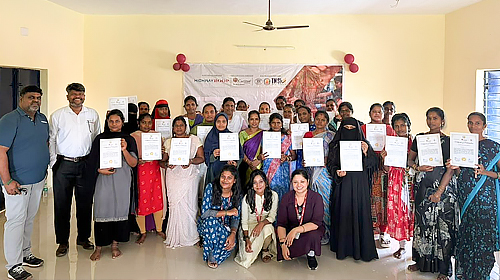
94 Women Certified in Auto Shakti’s EV Training, 10 Already Placed in Jobs
Ninety-four women have completed the EV Training under the Auto Shakti project and been certified,...
LEARN MORE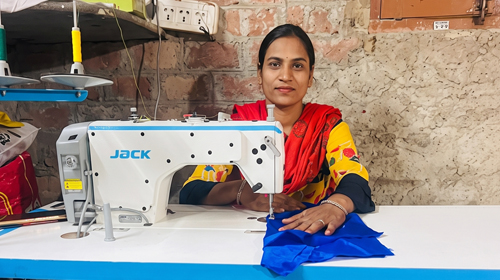
She Had No Income of Her Own. Now She Teaches Other Women to Earn Theirs.
"When my work was irregular, there were times when meeting household expenses and planning for...
LEARN MORE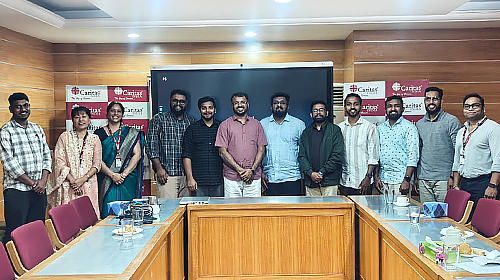
Future Priests Walk into the Heart of the Church’s Social Mission at Caritas India
Before they take up the altar, eight deacons stepped into the field where faith meets...
LEARN MORE 91 -11 - 23362735
 director@caritasindia.org


