
 91 -11 - 2336 3390
  director@caritasindia.org
 Children Led Disaster Risk Reduction: Passive Victims to Agents of Change
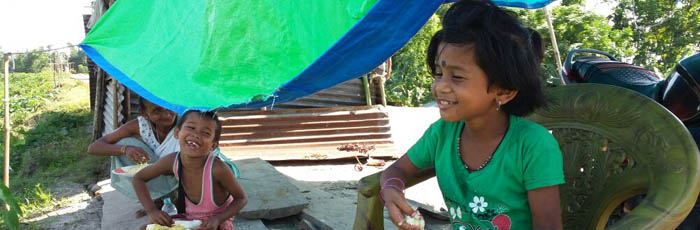
Around 6% of the population of India is impacted annually by the exposures to disasters and due to its unique geo-climatic situation, Indian sub-continent is very vulnerable to natural and man-made disasters.
Children are the most affected section during any disasters due to their physical and psychological nature. Therefore, building resilience in children and communities and reducing their vulnerability to disasters is imperative.
The international principle of prioritizing the most vulnerable and ensuring their participation in disaster management has not effectively been realized with respect to children. Experience from the humanitarian and development field shows that, unless the needs of children are catered for specifically, efforts to promote sustainable development and poverty reduction will continue to fall short.
To develop distinctive rights-based approach to Disaster Risk Reduction (DRR), Caritas India proposes a shift from children, as passive victims to agents of change for their own well-being and the development of their communities.
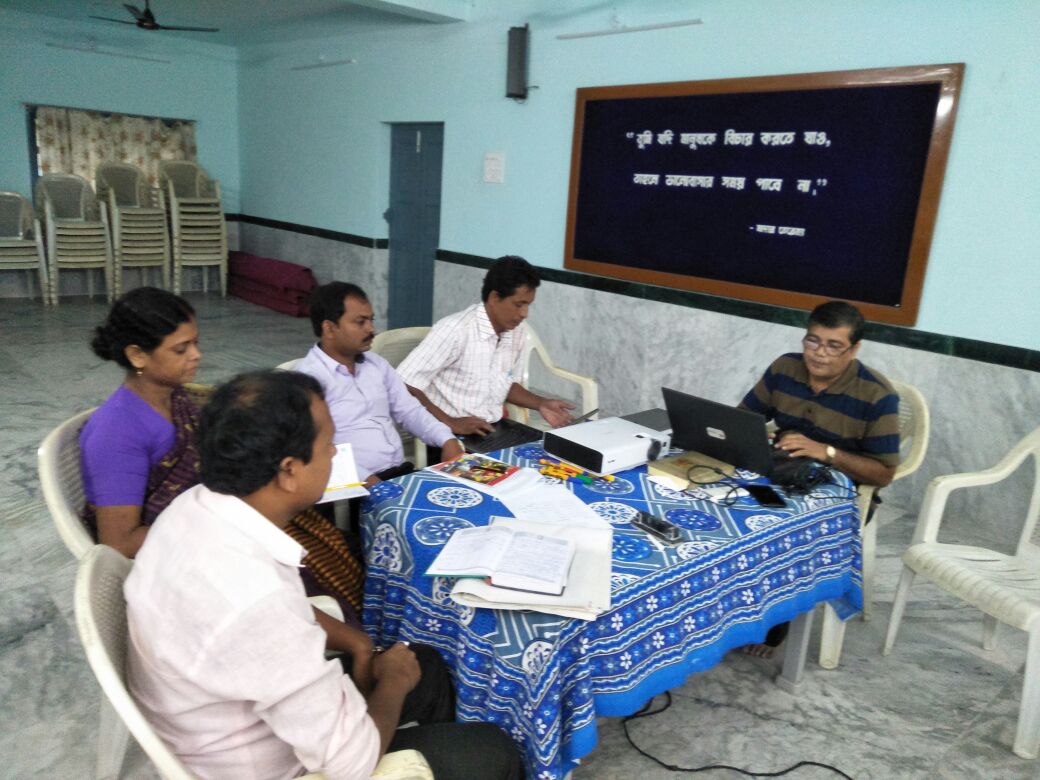
Caritas India with her partner Palli Unnayan Samiti (PUS) working in the district of south 24 Parganas to bring impact level change among children, community and local self-government and district administration by motivating and capacitating to reduce the impact of disaster.
Child Led Disaster Risk Reduction (CLDRR) programme will sensitize children, youth, community and local bodies on DRR issues.
CBOS at the community level will pro-actively organize various sensitization activities as a part of the capacity building and preparedness and key stakeholder and institutions will understand the roles of duty bearers in DRR with special focus on children. The programme will equip community and children to understand risks associated with vulnerabilities related to natural disasters and its management.
It was strategized to organise children and youth collectives to spearhead measures to address specific risks and vulnerabilities at local and district levels. Increased dialogue with PRI and local administration will help in developing sensitive micro plans keeping in mind the children risk. Integrated and strengthen School Safety Plans(SSP) in the programme in align to the National SSP guidelines. Translating DRR elements in the National Plan of Action for Children 2016 into local level planning and actions along with awareness generation on Risk identification and Behavior Change.
Upcoming News
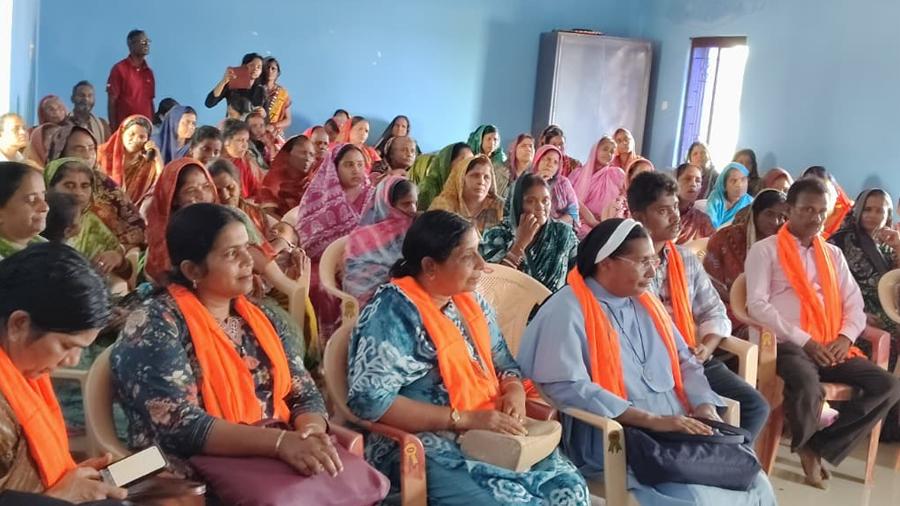
Kerala and Odisha Practitioners Come Together for Workshop on Humanitarian Aid and Disaster Risk Reduction
Disaster risk reduction practitioners from Kerala's Safe Within, Reconnect Wayanad and Vilangad Project travelled to...
LEARN MORE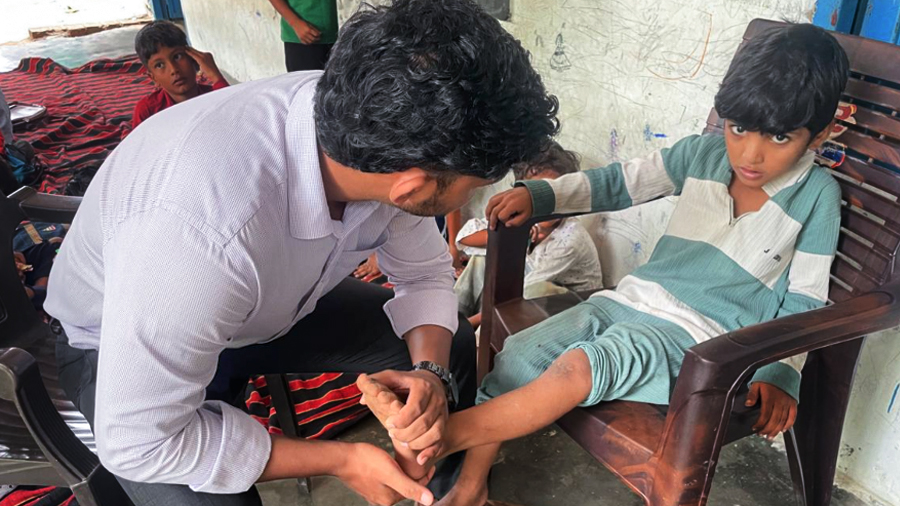
How Faiz Learned to Walk Again with Physiotherapy and Orthotic Support
There is a particular kind of heartbreak in watching your child want to play and...
LEARN MORE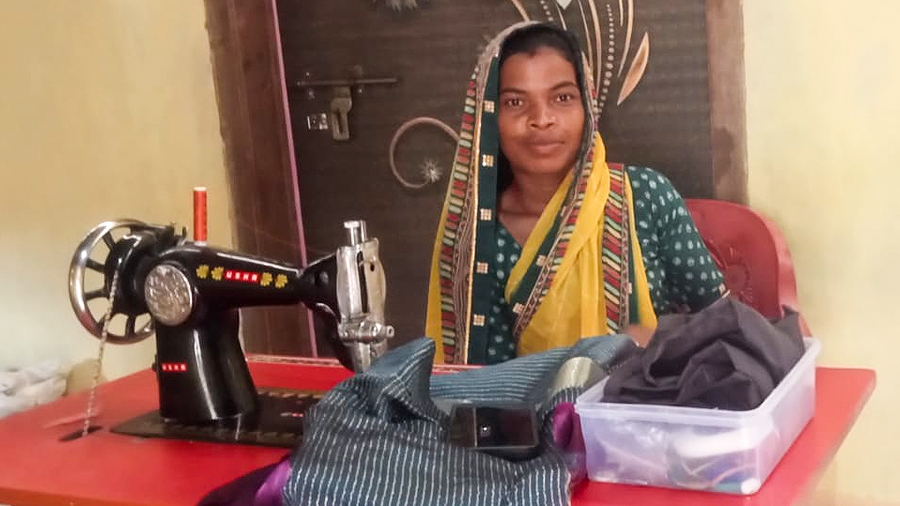
Every Stitch Keeps a Dream Alive
On the day Shiropati paid her children’s school fees from the money she earned through...
LEARN MORE 91 -11 - 2336 3390
  director@caritasindia.org


