
 91 -11 - 2336 3390
  director@caritasindia.org
 Sanitation needs in emergencies is more than just constructing toilets!
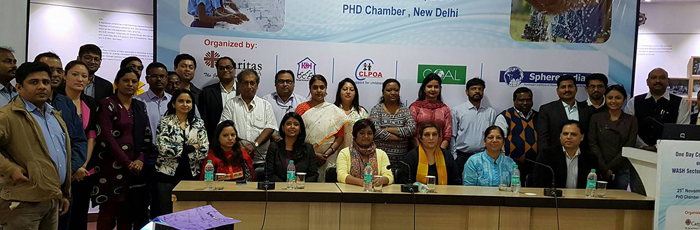
A one day WASH Sector Resilience Consultation was held on 25 November in New Delhi by GOAL India, Caritas India, and Sphere India and other members. This was an opportunity to hear about various successful community models of WASH, particularly toilet designs, in the backdrop of emergencies. For Caritas India, it was a platform to foreground the community centred inclusive approach to WASH, focusing psychosocial wellbeing associated with WASH, and equitable access by the excluded and marginalized to WASH facilities.
Water, Sanitation and Hygiene (WASH) isinextricably linked with enjoyment of other rights that enable Right to Life with Dignity, and need to be equitably available and accessible by the all community members in peace times and emergencies, stated Ms. Lee Macqueen, Advocacy Manager for Caritas India. Sheunderscored the need for Inclusiveand Rights Based Disaster Risk Reduction (DRR) approach to Participatory Toilet Designs. Guided by the humanitarian imperative, toilet designs have to be informed bythe social, cultural and political dynamics of a community.The design must enable equal and dignified access by all, particularly the most marginalised and neglected communities (pregnant women, elderly, differently abled in general, and those from socially and geographically excluded communities, Dalits and Tribals) in disaster times. The toilet models should envisage the management aspects at the outset to avoid assigning the job to any particular community (scavenging), in line with the objective of eradication of manual scavenging and prioritising this community for WASH interventionsbySwachh Bharat Abhiyan. Lastly, looking at WASH needs in times of slow onset disasters (droughts) and urbanisation causing ghettoization of migrant/labour classes from humanitarian perspective and DRR lens was recommended
Further strengthening the emphasis on community and inclusive approach with field experiences, Ms. Hardeep Kaur, Programme Officer at Caritas India foregrounded the “Voices from Field”. She shared the field learnings from Caritas India’s WASH interventions in Bihar flood response this year. While explaining the process of WASH intervention, which included WASH orientation to adolescent girls, and women and male members of the community on hygiene issues, the psychosocial impact on women’s health was emphasized. Menstrual hygiene has implications on the complete well-being of adolescent girls. Lack of satisfactory provisions at schools cause them to discontinue their schooling. The need to sensitise the community on psychosocial wellbeing associated with health and hygiene was strongly recommended in WASH interventions in humanitarian response.
Upcoming News
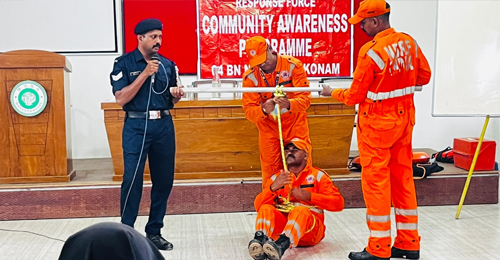
Ropes and Sacks Become Lifesaving Tools as NDRF Trains Wayanad’s First Responders
Long before an ambulance can reach a flooded village or a landslide hit hillside, it...
LEARN MORE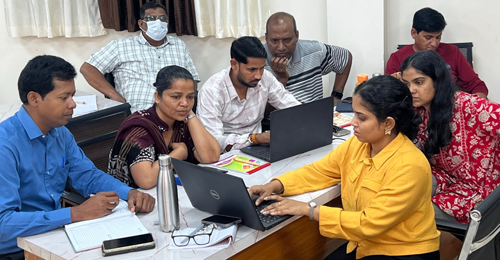
Caritas India Trains Partner Organisations in Evidence Based Project Proposal Writing
Some of the strongest community projects never get built, not for lack of need or...
LEARN MORE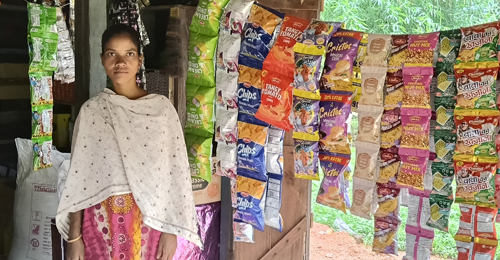
A Grocery Shop, a Mother’s Resolve, and Three Daughters Who Stayed in School
Three young girls in this remote village are attending school regularly today because their mother...
LEARN MORE 91 -11 - 23362735
  director@caritasindia.org


