
 91 -11 - 2336 3390
  director@caritasindia.org
 A Drop of Hope for Thirsty Islands: Increasing access to drinking water for all
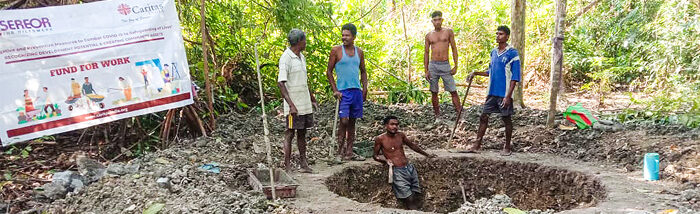
With a coastline of 1962 km, surrounded by water on all sides, it will not be untrue to term the Andamans and Nicobars as “Thirsty Islands”. The rapid rise in the sea level, coastal erosion and saline water intrusion has affected the availability and accessibility of potable water for these island populations. Even with copious rainfall, the geological formations and proximity of hills to the sea contribute to low percolation levels for groundwater making water scarcity a perennial event for summers especially.
Burmachad, a village in the North and Middle Andamans district with 64 families is completely cut off from the market areas with a 3-hour boat journey or a 5-hour walk from the jungle to the main market areas. Subsistence farming and cattle rearing on a minuscule level are the only means of survival. Karmatang village, although fairs better in terms of connectivity shares a similar story to the former.
Amidst all the challenges, our village is facing another crisis at present. Drying of wells during summers is inevitable, however, increasing salinity in these wells has made it difficult for the families, agriculture, and cattle to sustain themselves. “Where would these families move when water becomes totally unfit for drinking? A few areas on the islands still have freshwater which can be harnessed but we had bare minimum financial capacity or resources to dig wells.” Augustina Minj, senior most lady and headman of the village shared with the team during the monitoring visit. On another hand, Karmatang receives pipeline water but only at intervals of 3-5 days. In the summer season, the gap increases, pushing families to go without water for weeks.
Under Fund for Work supported by Caritas India and Misereor, the village generated a certain amount at on completion of their pending vaccination dosage. Collectively it was decided that this money will be utilized for families to earn some money in the lean season and solve water scarcity through the digging of freshwater wells.
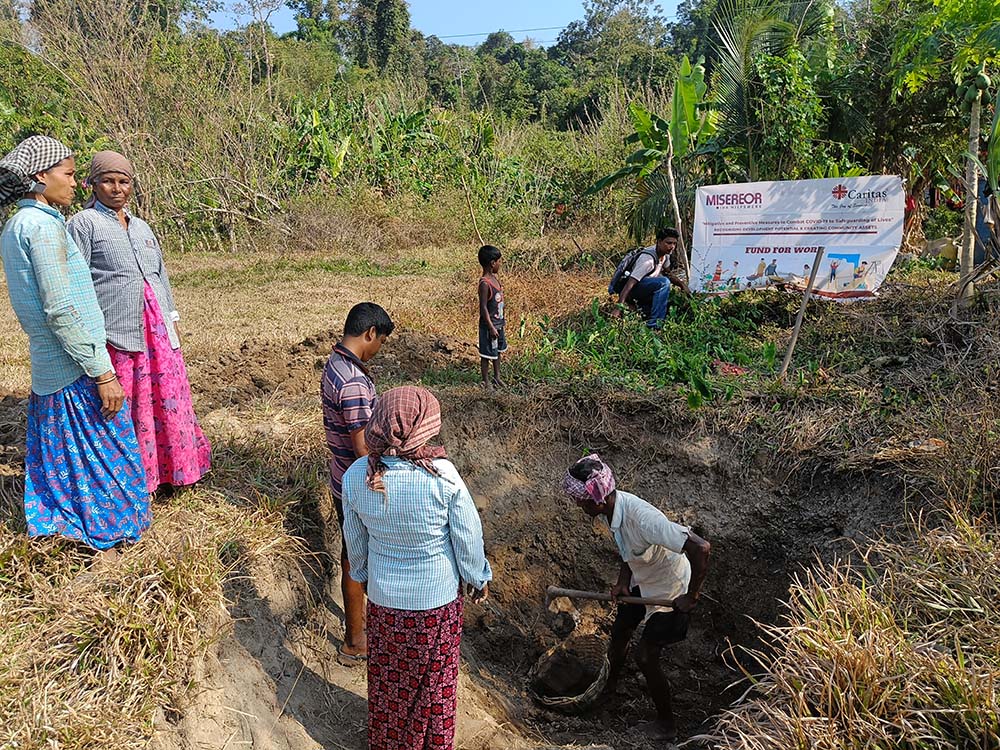
“On seeing the water in the wells, we were overjoyed. We cannot line these wells as we live in forest encroachment areas, but it is more than enough to fulfil the needs of the village at present. Women and young girls do not have to travel to the far ends of the islands to fetch water. Our cattle are surviving as they now have water to drink”, said Anita Tirkey, a young girl teaching children in the Anganwadi.
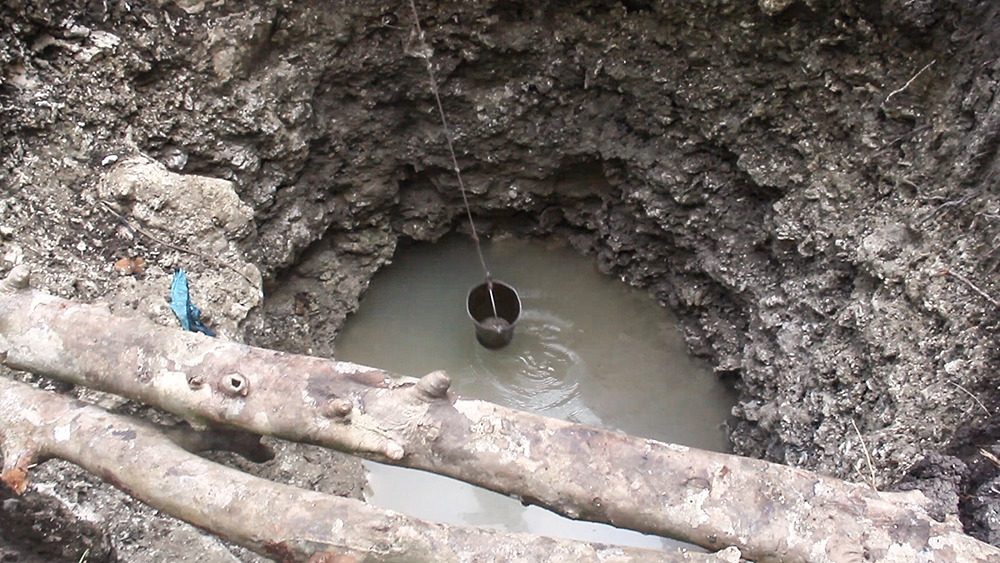
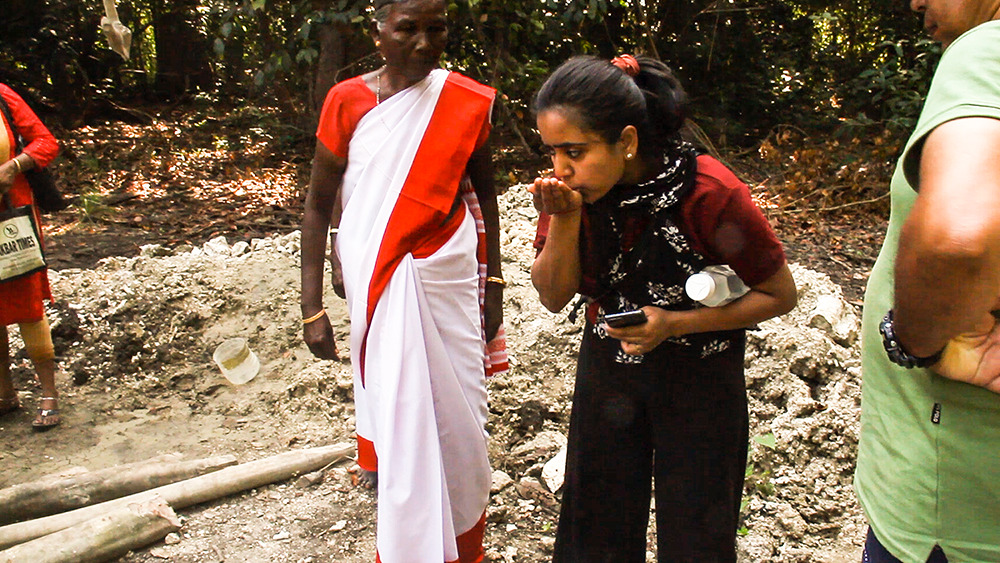
Caritas India has constructed 10 wells and 3 in such similar water-scarce islands through Fund for Work supported by Misereor Covid Response in program 10 villages. More than 60 workers earned short-term income through engagement in this work. The sustainability of these wells and ponds will be taken care of by the village population. To increase economic activity in the village, the ponds will be converted into pisciculture post-rainfall this year.
Upcoming News
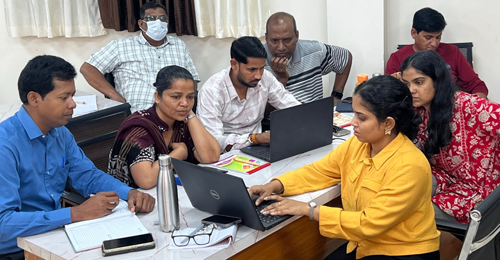
Caritas India Trains Partner Organisations in Evidence Based Project Proposal Writing
Some of the strongest community projects never get built, not for lack of need or...
LEARN MORE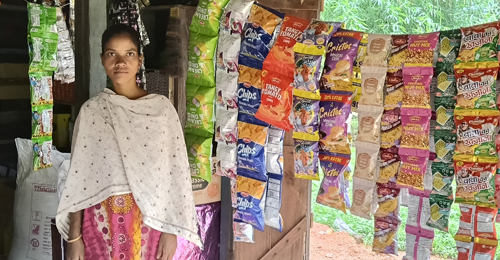
A Grocery Shop, a Mother’s Resolve, and Three Daughters Who Stayed in School
Three young girls in this remote village are attending school regularly today because their mother...
LEARN MORE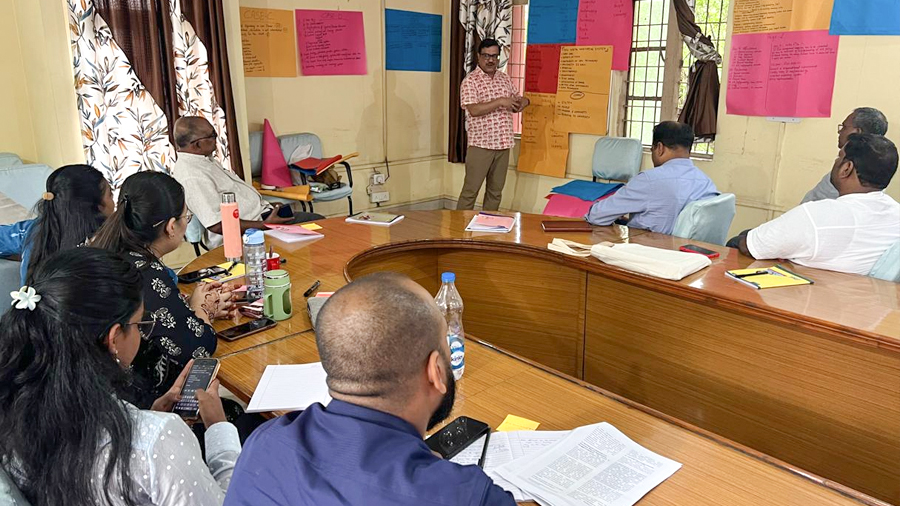
When NGOs Grow, What Breaks First? Caritas India Tackles the Answer in Raipur
Three-day workshop arms executive leaders with governance tools, a 20-policy framework and practical fixes for...
LEARN MORE 91 -11 - 23362735
  director@caritasindia.org


