
 91 -11 - 2336 3390
  director@caritasindia.org
 Apada Sahayak: A New App Puts Disaster Preparedness in the Hands of Himalayan Villages
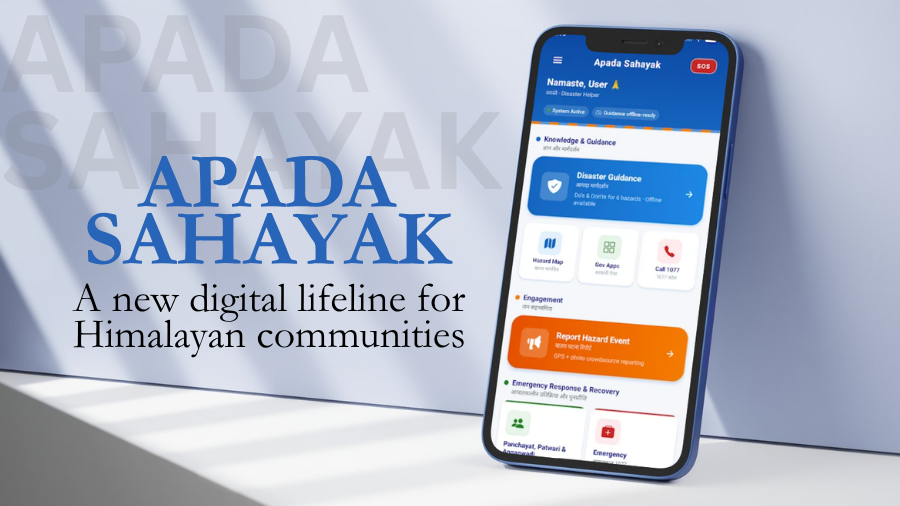
Caritas India helps launch Apada Sahayak, a bilingual app built with and for the communities who face floods, landslides and earthquakes every monsoon
In the hill villages of Kullu district, a flash flood rarely announces itself with much warning. A cloudburst upstream, a swollen stream, a landslide that takes out the only road — by the time help arrives, families have often already had to fend for themselves. It is this gap, between the moment danger appears, and the moment support reaches people, that a new mobile app called Apada Sahayak (“disaster helper”) has been built to close.
Caritas India is proud to have played a central role in bringing this app to life. Launched through an international partnership led by the University of Cumbria and the University of Gloucestershire in the UK, Apada Sahayak will be piloted across Kullu district in Himachal Pradesh from July 2026, a region where Caritas India works alongside communities on flood mitigation and disaster risk reduction.
Caritas India took on the development-side work of the project by bringing on-ground experience of Himalayan communities and disaster risk reduction programming to help shape an app that is genuinely usable by the people it is meant to serve and helping ensure the tool connects meaningfully to local systems of response and governance.
“Through Apada Sahayak we are putting practical digital tools for disaster preparedness and response directly into the hands of Himalayan communities, helping citizens, local authorities and researchers work together to reduce risk and build resilience,” said Dr Richard Johnson, Principal Investigator of the HiFlo-APP project at the University of Cumbria.
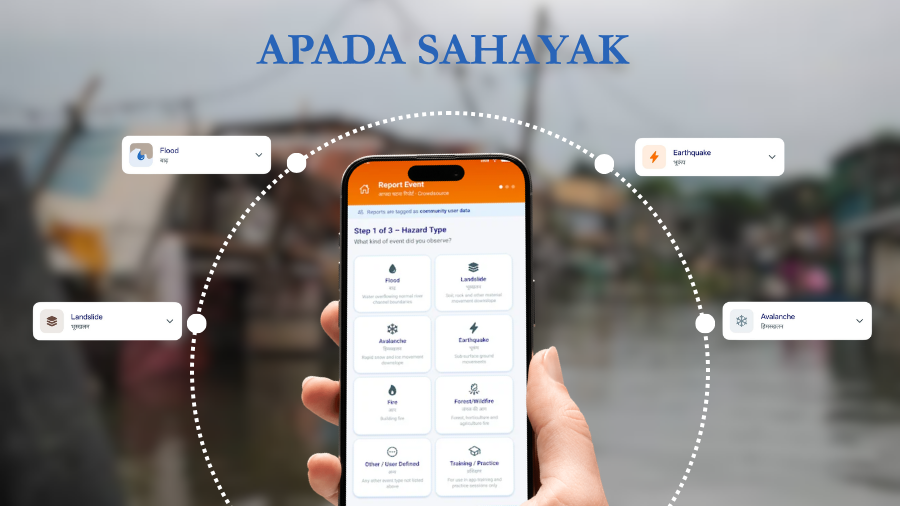
Apada Sahayak is designed for exactly the kind of terrain and conditions where most apps fail like patchy signal, rural roads, communities more used to word-of-mouth warnings than push notifications. It offers:
- Knowledge and guidance on disaster preparedness, response and recovery.
- Community hazard event reporting, real-time push notifications and interactive map viewing tools.
- Access to government services, including phone and SMS channels for emergency support, and a searchable directory of Panchayat, Patwari and Anganwadi contacts for local guidance.
It is free, fully bilingual in English and Hindi, and built to keep working even where connectivity does not.
For Caritas India, the value of Apada Sahayak goes beyond the technology itself. Alongside its design contribution, Caritas India’s field networks are helping in building local participation and long-term ownership of this tool.
“Citizens are often the first witnesses and first responders when disaster strikes,” the project notes and it is this instinct, to act quickly and look out for one another, that Apada Sahayak is designed to support rather than replace.
The project brings together a wide circle of partners across India and the UK, including the University of Delhi, the Govind Ballabh Pant National Institute of Himalayan Environment, Climate B Ventures Pvt Ltd, and the IUCN Commission on Ecosystem Management, with funding from British Council India.
As the pilot begins in Kullu this July, Caritas India will continue working alongside these communities, not just to introduce a new tool, but to help make sure it becomes one more way that Himalayan families are a little safer, a little more prepared, and a little less alone when the next disaster comes.
Apada Sahayak is free to download and available in English and Hindi at apadasahayak.com.
Upcoming News
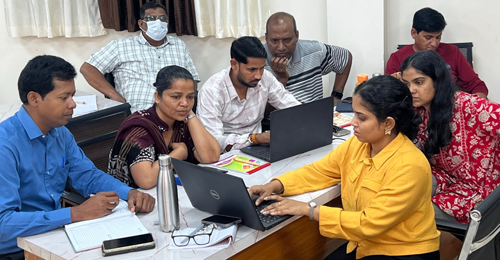
Caritas India Trains Partner Organisations in Evidence Based Project Proposal Writing
Some of the strongest community projects never get built, not for lack of need or...
LEARN MORE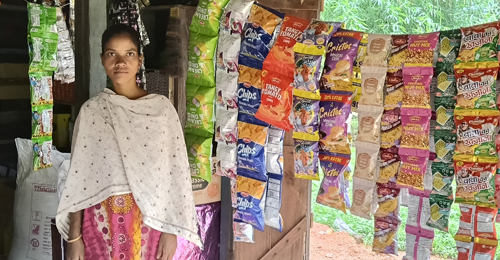
A Grocery Shop, a Mother’s Resolve, and Three Daughters Who Stayed in School
Three young girls in this remote village are attending school regularly today because their mother...
LEARN MORE
When NGOs Grow, What Breaks First? Caritas India Tackles the Answer in Raipur
Three-day workshop arms executive leaders with governance tools, a 20-policy framework and practical fixes for...
LEARN MORE 91 -11 - 23362735
  director@caritasindia.org


