
 91 -11 - 2336 3390
 director@caritasindia.org
Arresting soil erosion through climate friendly natural practices
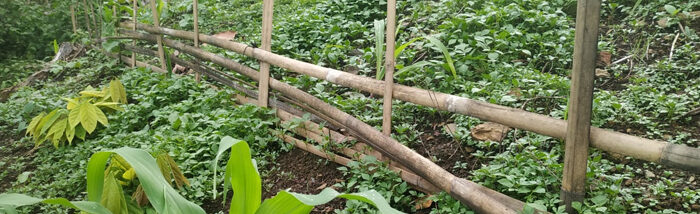
Large parts of Northeastern States’ land are degraded according to the draft report of the Indian Space Research Organisation’s (ISRO) National Remote Sensing Centre (NRSC). In the last 10 years, 35 percent of the land is degraded in Mizoram itself.
One of the major causes of land degradation and soil erosion is unsustainable agriculture practices and climate change. Land in the northeast is naturally acidic because of the heavy rainfall it receives every year, but climate change-induced high frequency of heavy rainfall events further exacerbates its erosion leading to loss of topsoil and reduced productivity.
Farmers in these hilly areas are not fortunate enough to acquire the best land of their choice. The condition becomes more critical due to unsustainable agricultural practices and climate change-induced soil erosion. It results in scarcity of cultivable lands for the farmers. They are left with very few options to continue farming and production diminishing because of soil erosion becomes one of the challenges faced by the farmers today.
Pu Lalramlawma from Serchhip Village Council-II in Mizoram is one of the victims who have tried even terracing and some other techniques in his farm to prevent soil erosion. But he did not find it quite effective as compared to its expensiveness. By witnessing his struggle, the Caritas India FARM Northeast team of Zoram Entu Pawl (ZEP) approached the concerned departments to help him get knowledge and some appropriate climate-friendly techniques for gradually mitigating the soil degradation of his land.
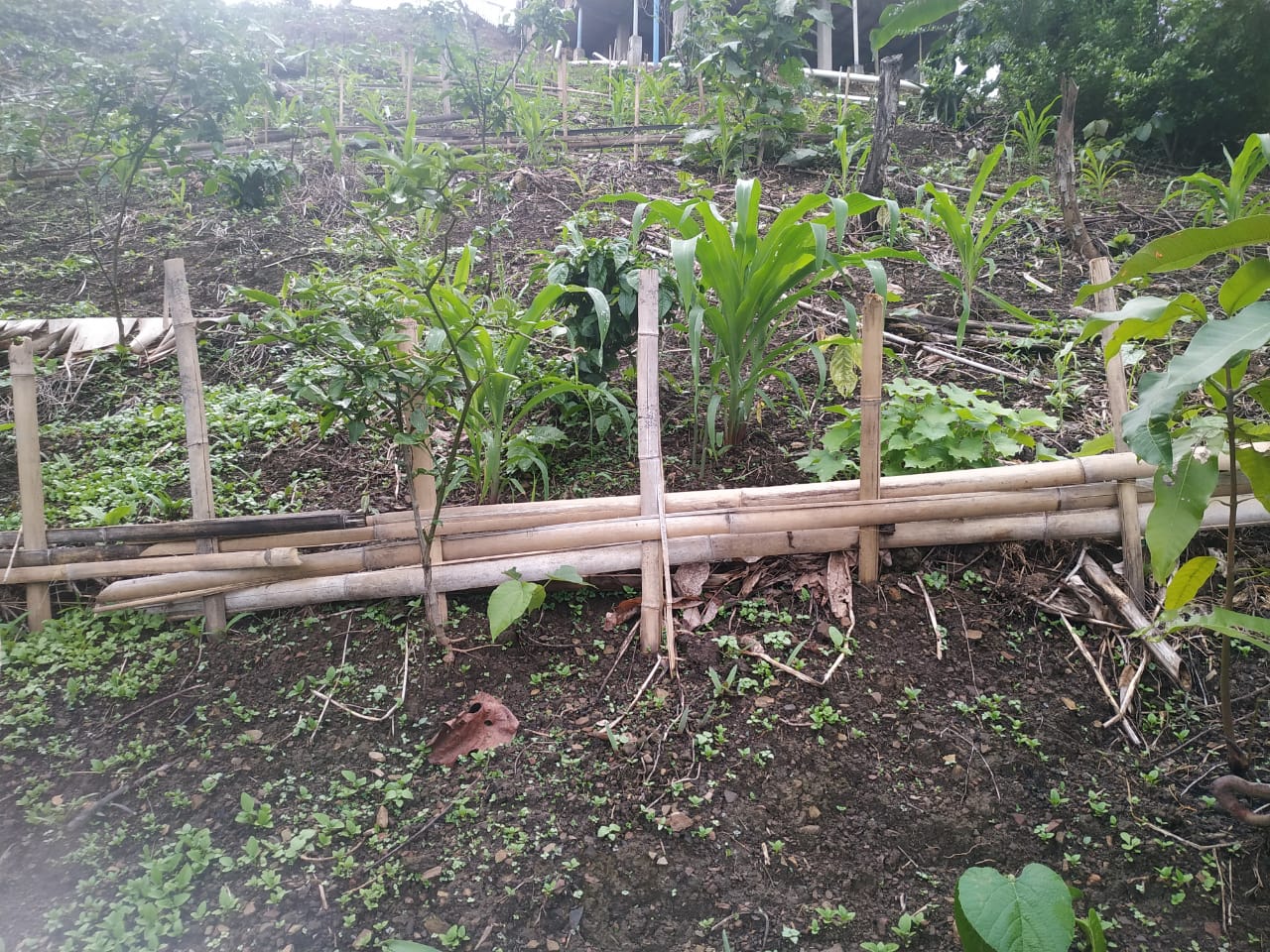
The Mizoram Sericulture Department has been adopting a very simple technique for the prevention of soil erosion or protection of topsoil from rainwater runoff by a kind of retaining fencing system made of bamboo. Dried heavy twigs or logs are then added to the base of the fencing to provide more support to arrest the erosion. In case the field is larger in size, such fencings are generally repeated within 5 to 10 meters distance. The weeds collected from the field are stockpiled on the base of the fencing. The controlled runoff carries nutrient leachates from the decomposed weeds to crops growing down the hills.
After visiting and observing the Sericulture farm plot, Pu Lalramlawma was very interested, and he decided to practice the erosion prevention technique in his kitchen garden as an experiment in order to see and experience the effectiveness by himself so that he can adopt it in his degraded farm as well.
Most of the farming lands in the project covering areas are steep slopes and most of them are facing these problems too. Therefore, the FARM Northeast team, ZEP has been introducing this technique to the Farmers Club members and trying to promote it in the project covering areas, Said Pu Siata, Team member, ZEP.
Upcoming News

Bringing Water Closer to Home: An Inclusive Community Resilience Initiative in Assam
When floodwater enters 13/10 Grant Village in Assam, it also reaches the sources families depend...
LEARN MORE
A Harvest Too Small for the Market? Study Points to the Power of Selling Together
A farmer may have a harvest to sell, yet too little produce to make the...
LEARN MORE
Caritas India Rushes Relief to Cyclone Arnab Hit Families in Odisha’s Gajapati
Caritas India has begun distributing emergency ration kits and blankets to families battered by Cyclone...
LEARN MORE 91 -11 - 23362735
 director@caritasindia.org


