
 91 -11 - 2336 3390
  director@caritasindia.org
 Assertive Women and Children Transform Grassroots Governance
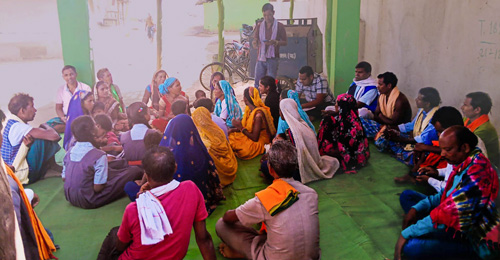
Women and children of Kataipali village in Raigarh district came forward not only to demand but also to organize a Special Gram Sabha or special village council meeting exclusively for women and children, marking a first not only for their village but also for the surrounding areas. Led by the Jai Ambe Self Help Group and the Bal Sabha, this pioneering initiative reflected not merely community engagement in local self-governance but the assertive and confident participation of women and children in grassroots governance and decision-making processes.
Kataipali is located on the periphery of a dense forest area, where the threat from wild animals is grave and persistent. Elephant and bear attacks have been reported in and around the village, and last year elephants killed a person in a nearby village, creating widespread fear among residents. Wild boars frequently destroy standing crops, while other wild animals stray into settlements, damage farms, and sometimes pull-down hutments and houses of villagers. These recurring challenges, along with gaps in local infrastructure, prompted the community to come together and assertively participate in Panchayat discussions.
The initiative began with proactive planning and mobilisation by women leaders. “First, information was taken from the Sarpanch about the Gram Sabha, and the entire panchayat was informed. Discussion was held on how to fulfil the panchayat’s shortcomings,” said Siria Rathia, SHG Member. The Special Gram Sabha held on 2 February 2026 brought together villagers, SHG members, Bal Panchayat representatives, and government officials to collectively deliberate on pressing village concerns.
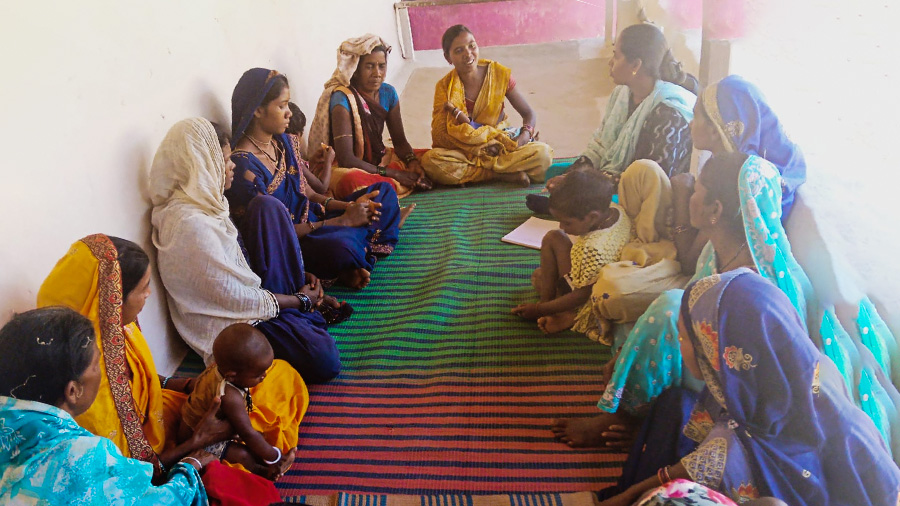
This process was strengthened through sustained facilitation under Khushaal Bachpan, which organised women into Self Help Groups, including Jai Ambe SHG, and mobilized children through Bal Sabhas. Through regular capacity building and awareness sessions, women and children were oriented on the importance of Gram Sabhas, women’s powers and entitlements in local governance, the role of children in participatory governance, and the provisions related to Special Gram Sabhas. These efforts enabled both women and children to move from passive participation to informed and assertive engagement in local governance spaces.
Key demands raised during the Gram Sabha included road repair, appointment of a forest guard, construction of a school boundary, improvement of water facilities, and strengthening local education facilities. “Our demands were construction of a road, appointment of a forest guard, school boundary, and water facility,” said Savita Rathia, SHG Member. “During the rainy season, the village road turns into a stretch of puddles, leading to vehicle accidents. In the absence of a boundary, wild animals destroy farms and stray into the school premises. We wanted the Panchayat to address these issues,” she added.
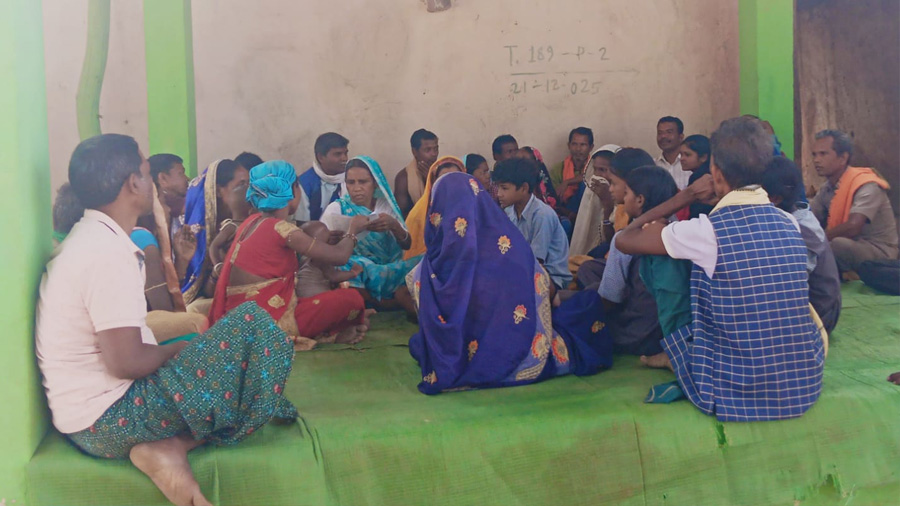
“This Special Gram Sabha has given us a platform to voice our concerns and work together towards a better future,” said Puspa Mahant, an SHG Member. Sumitra Mahant, a Bal Panchayat member, added, “Since there are only primary and middle schools in the village, we have to travel long distances to attend higher classes in nearby schools. Hence, we requested the Panchayat to construct a new school in the village,” she said with a sense of satisfaction.
The outcomes were encouraging, with government officials committing to addressing the demands raised by the community. Participants reported increased confidence and a stronger sense of agency in shaping village development priorities. “We felt good attending the Gram Sabha. We got information about the village’s development and panchayat’s progress,” said Hema Agaria, a member of the SHG.
This special Gram Sabha meeting exclusively for women and women demonstrates how women’s collective leadership and assertive participation of children can transform grassroots governance by fostering transparency, accountability, and inclusive decision making. The experience reflects a significant shift in local power dynamics, where women and children are emerging as active drivers of participatory and community led development.
Upcoming News
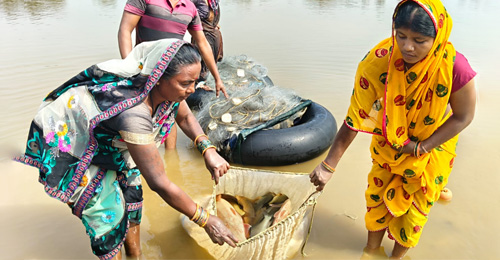
How Gond women turned a common water body into food security and collective prosperity
It might not seem obvious why a small, muddy village pond could matter in a...
LEARN MORE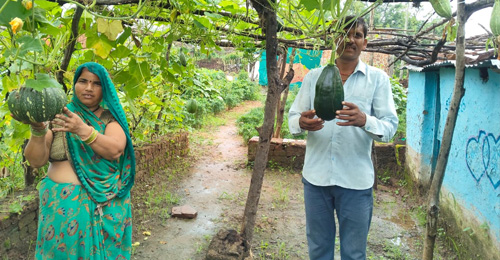
Growing Nutrition in Small Spaces
In Salhedanda, hunger rarely arrived with drama or headlines. For generations, small and marginal tribal...
LEARN MORE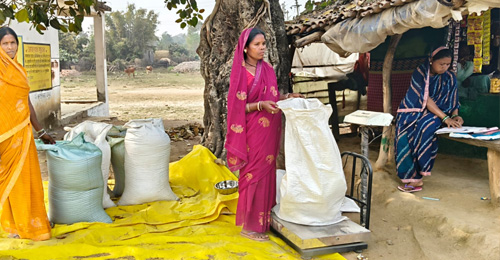
Sangam women producers group turns local trade into economic resilience
Kusumkasa village in Rajnandgaon district is quietly reshaping how rural women earn, trade, and lead....
LEARN MORE 91 -11 - 2336 3390
  director@caritasindia.org


