
 91 -11 - 2336 3390
  director@caritasindia.org
 BMZ Global: Responding to Covid Humanitarian call of the most vulnerable
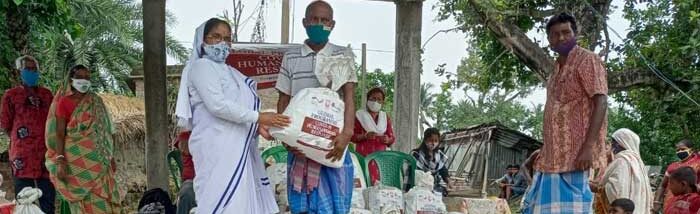
Millions of people need humanitarian support today, and this number will increase due to the impact of Covid-19 in our lives. The secondary effects of the pandemic were particularly grievous in humanitarian settings, and they were, unfortunately, made worse by the same travel and movement restrictions aimed at containing the pandemic. Disruptions to supply chains, movement restrictions through border closures and lockdowns, and market volatility drastically increased food insecurity, pushing millions of people worldwide to suffer from acute food insecurity by the mid of 2021.
The impact of COVID-19 is often more severe for those who are vulnerable to cope up with the situation especially the People with Disabilities (PwD), Women headed households, daily wage earners and families with Covid Positive patients.
It is in this context that Caritas India under its BMZ-Global Program funded by the Federal Ministry for Economic Cooperation and Development (BMZ), Government of Germany and Caritas Germany launched its humanitarian response in June 2021 to address the ground realities of Covid19 impact, especially food insecurity and lack of basic hygiene measures.
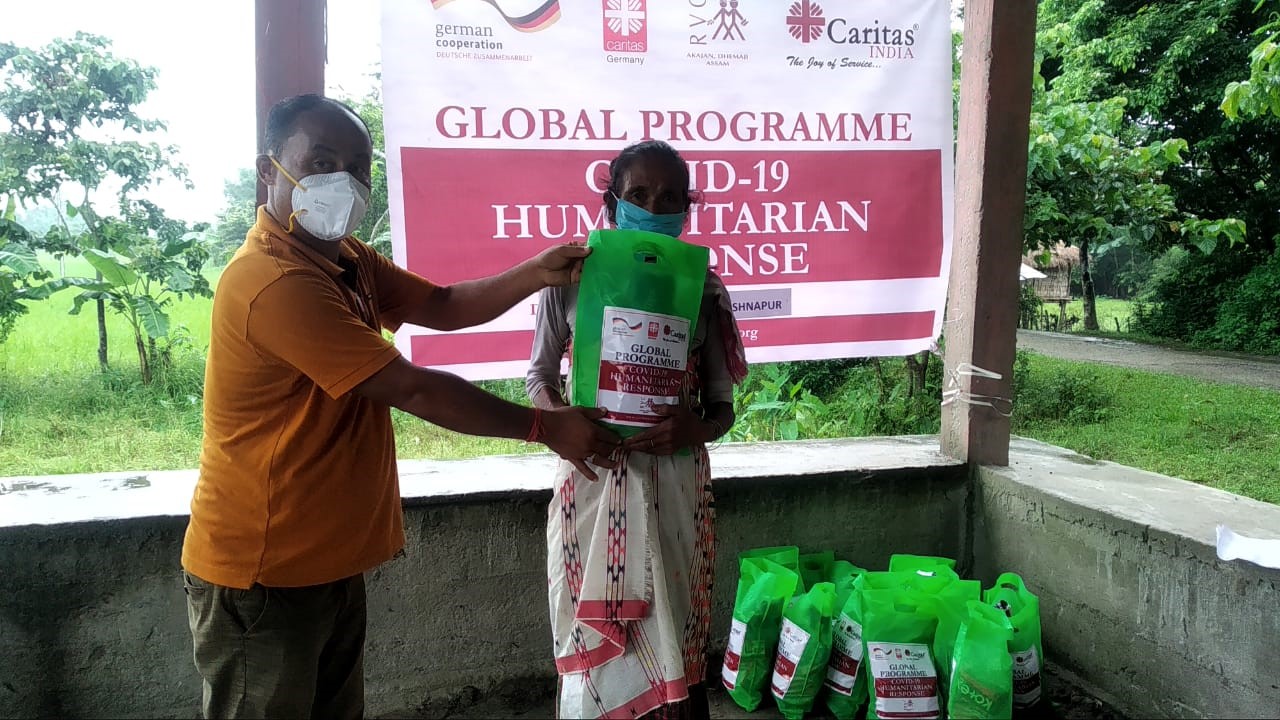
Through BMZ-Global Program Covid19 Humanitarian Response, Caritas India partner organizations in Assam and West Bengal reached out to 1675 marginalized families with 600 dry ration kits and 1107 hygiene kits. These partner organizations namely Guwahati Gana Seva Society, North-East Diocesan Social Service Society, Rural Volunteers’ Center, Tezpur Social Service Society, Women Development Center, and Palli Unnayan Samiti Baruipur (PUSB), Calcutta Society for Professional Action in Development (SPADE) in West Bengal identified and developed responses to address the devastating impact that lockdowns and mobility restrictions were having on the most vulnerable.
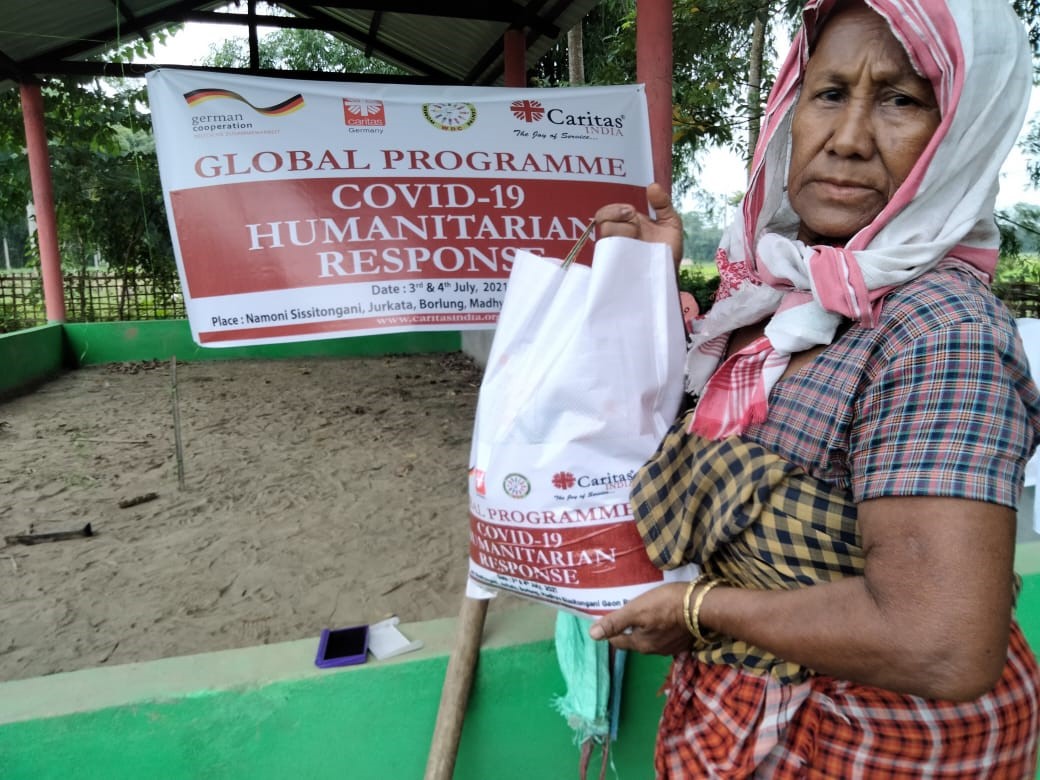
People with Disability (PwD), Women headed households, daily wage earners and families with Covid Positive patients were identified by a Selection Committee comprising of members from Panchayati Raj Institution (PRI), Village Headmen, Accredited Social Health Activist (ASHA) workers, Anganwadi Worker (AWW) etc. The list was further cross-verified and finalized by the field team.
To ensure the participation of the beneficiaries in the initiative, grievance mechanisms were set up wherein a feedback box was placed in the distribution venue to ensure no genuine beneficiaries are left out and that the principle of inclusion and equality is practised. The platform was also created for sharing suggestions for improvement in the distribution process. Provision was as well made to raise the complaint through direct call.
In the coming days, the program will be supporting another 465 families in West Bengal and Assam.
Upcoming News
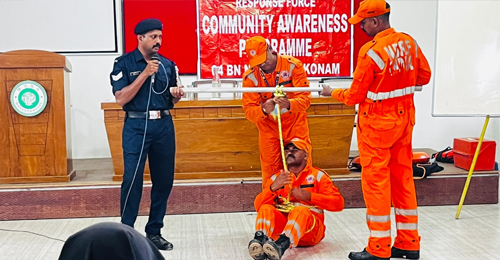
Ropes and Sacks Become Lifesaving Tools as NDRF Trains Wayanad’s First Responders
Long before an ambulance can reach a flooded village or a landslide hit hillside, it...
LEARN MORE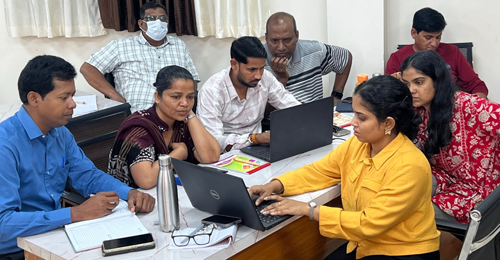
Caritas India Trains Partner Organisations in Evidence Based Project Proposal Writing
Some of the strongest community projects never get built, not for lack of need or...
LEARN MORE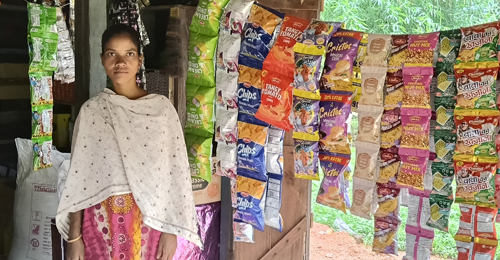
A Grocery Shop, a Mother’s Resolve, and Three Daughters Who Stayed in School
Three young girls in this remote village are attending school regularly today because their mother...
LEARN MORE 91 -11 - 23362735
  director@caritasindia.org


