
 91 -11 - 2336 3390
  director@caritasindia.org
 Caritas India and UNICEF support water, sanitation, and hygiene needs in Nagaon and Barpeta
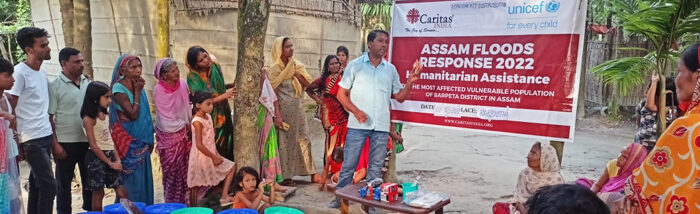
The flood water has receded in Assam, but it has badly impacted the water, sanitation, and hygiene situation. Nagaon and Goalpara were the most affected districts.
The water logging has displaced almost 4000 people who took shelter in relief camps or roadside camps. Access to clean water supply, sanitation facilities and hygiene were in an alarming condition. The assessment revealed that people are using the same water for cleaning, drinking, and washing. No water treatment plant or instruments (filters) were noticed at any relief camps at the village level.
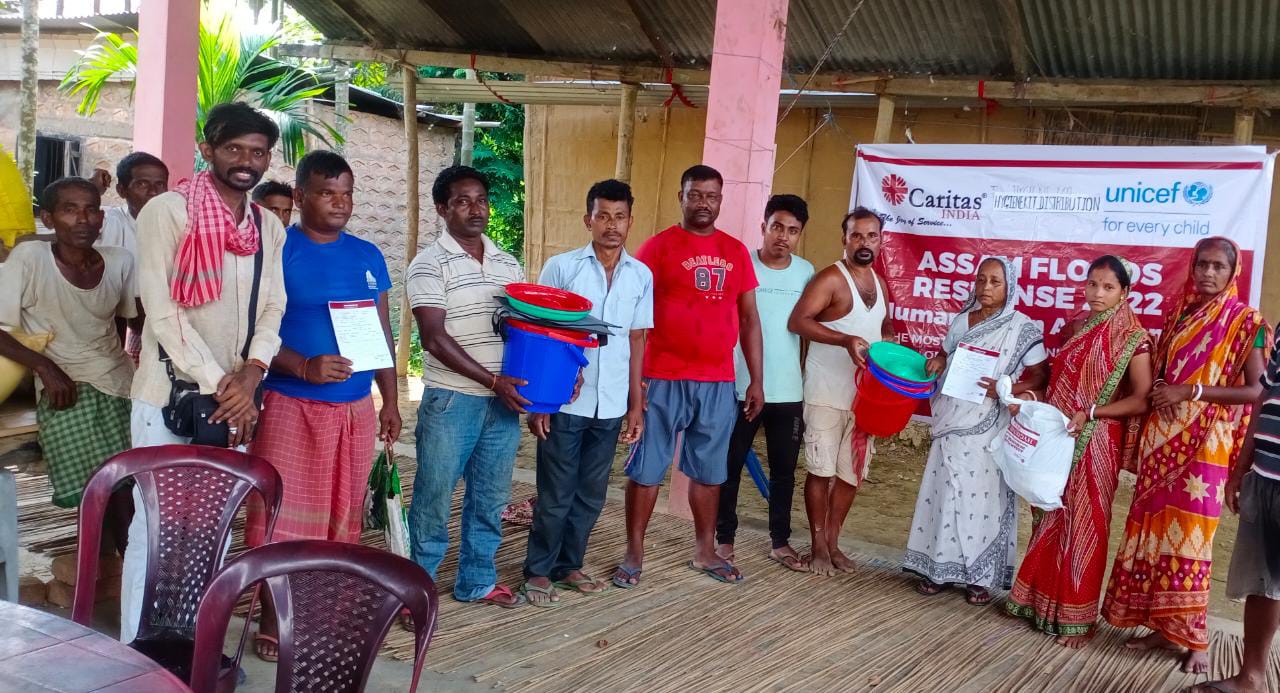
Caritas India continues her humanitarian response to reach the most vulnerable population in the flood-affected districts of Nagaon and Barpeta with the support of UNICEF. The response specifically focuses on the water, sanitation, and hygiene (WASH) needs of the communities and includes a range of activities such as cleaning of handpumps, rehabilitation of damaged water sources, installation of emergency community level water filters and temporary toilets, and Public Health Promotion (PHP) sessions, along with the distribution of Hygiene/Dignity kits and household level water filters.
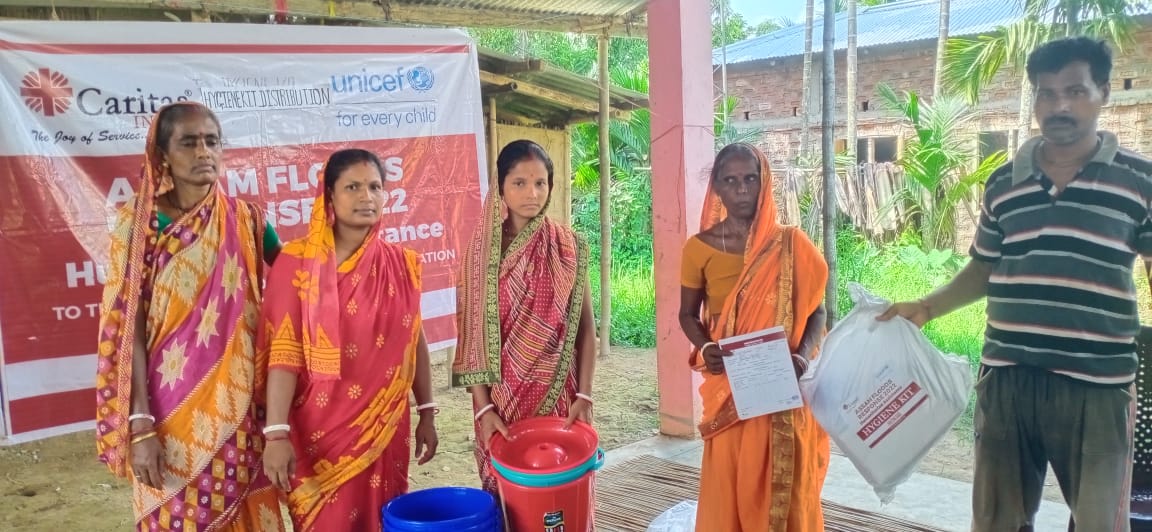
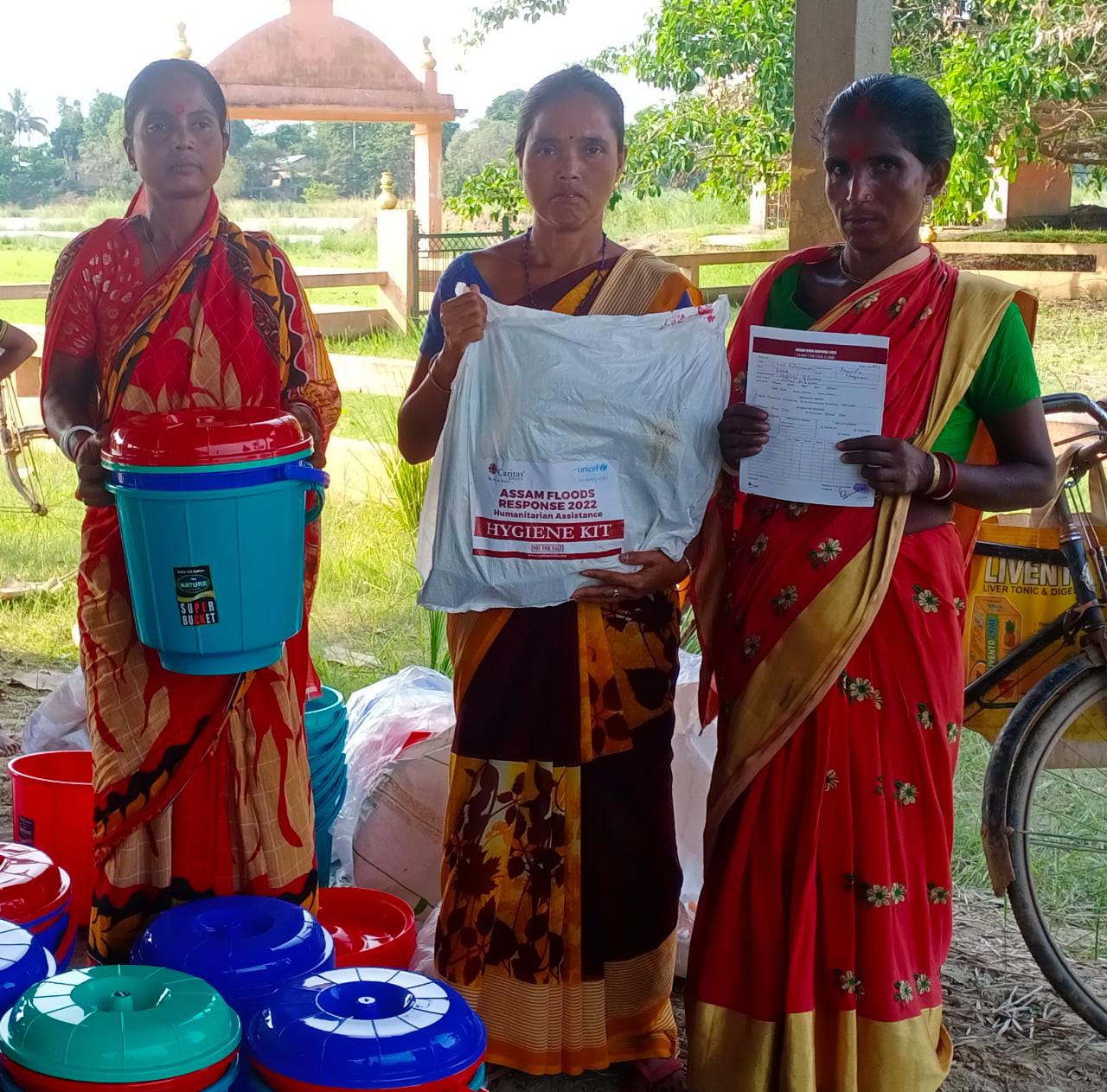
The most affected people were selected by the village-level committees in each of the 7 villages in the Nagaon and Barpeta districts following the selection criteria of the program. Currently, 500 hygiene kits are being distributed in each of the intervention areas of Nagaon and Barpeta.
In Nagaon, 492 kits in total have been distributed in the 7 villages of Simologuri, Madhapara, Misimari 1, Misimari 2, Morisuti and Puthimari. In Barpeta, Cenimari, Malipara, Barbhita, Bandali, Bandali Reserve, Balidhari, and Jatradia villages 361 kits have been distributed. The intervention plans to support 1000 most affected families with hygiene kits to practice key water, sanitation, and hygiene behaviour.
Access to clean drinking water is the basic need of the hour, as most of the water points were submerged under flood waters. Caritas India and UNICEF would be installing four water filtration units in the community, the Water Treatment System draws water from any available source and the water passes through a pre-filtration candle that can filter micro-organisms and particles up to 5-micron in size. The water then passes through another ultra-membrane filter candle which is 0.23-micron in size. This water treatment system uses online chlorination to treat the water, ensuring it is safe for consumption. At the household level, 1000 household water filter units with four-stage water filtration will be provided to ensure clean drinking water for people. The distribution of water filters and Public Health Promotion sessions in the 14 intervention areas would begin in the coming week.
In addition, the team will be testing and chlorinating 50 hand pumps/pond wells/handpumps in the community and installing 15 gender-segregated temporary toilets at strategic locations with bathing cubical facilities.
Upcoming News
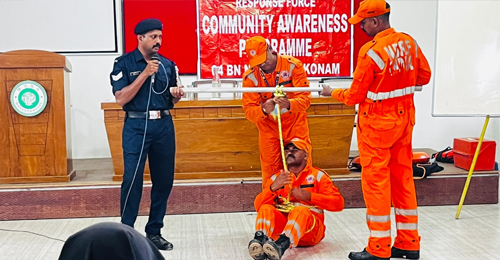
Ropes and Sacks Become Lifesaving Tools as NDRF Trains Wayanad’s First Responders
Long before an ambulance can reach a flooded village or a landslide hit hillside, it...
LEARN MORE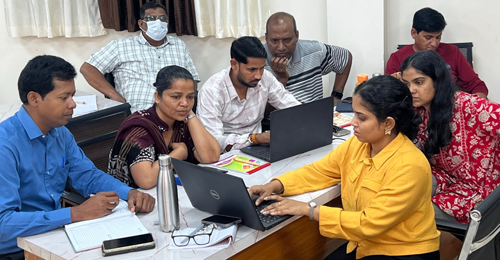
Caritas India Trains Partner Organisations in Evidence Based Project Proposal Writing
Some of the strongest community projects never get built, not for lack of need or...
LEARN MORE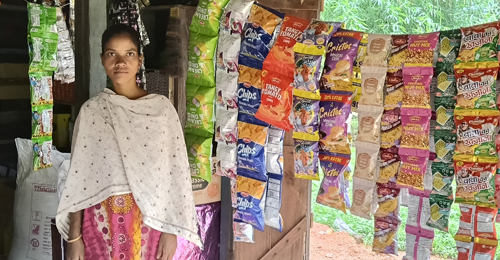
A Grocery Shop, a Mother’s Resolve, and Three Daughters Who Stayed in School
Three young girls in this remote village are attending school regularly today because their mother...
LEARN MORE 91 -11 - 23362735
  director@caritasindia.org


