
 91 -11 - 2336 3390
  director@caritasindia.org
 Caritas India trains frontline leaders on Safeguarding
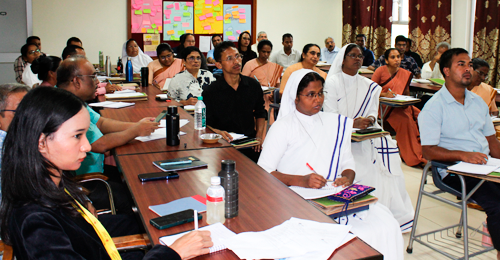
A clear message echoed through the training hall from the first session. Safeguarding is non-negotiable. Caritas India raised the bar once again by offering a free, intensive safeguarding training for its social ministry teams and regional partners, signalling a strong institutional push to build a culture where dignity and protection guide every action.
Pope Francis’ call for a vigilant, transparent and survivor centred Church shaped the tone of the three-day workshop. His insistence that safeguarding is “a mission rooted in the Gospel” provided a moral anchor that urged participants to look beyond compliance and embrace safeguarding as a shared responsibility.
Caritas India designed the training as the first step of a long-term capacity building pathway. Thirty participants from northern, northeastern, Karnataka and Jharkhand regions joined the foundational workshop, including directors and senior program coordinators who will later serve as regional trainers. The sessions covered the full spectrum of safeguarding: child protection, protection of vulnerable adults, and the prevention of sexual harassment.
The workshop opened with a strong reminder from Ms. Catherine Kune, Safeguarding lead of Caritas India. She urged participants to carry safeguarding forward with conviction. “Knowledge only creates change when we share it. This training is meant to multiply protection, not keep it confined to one room,” she said, setting a firm pace for the next three days.
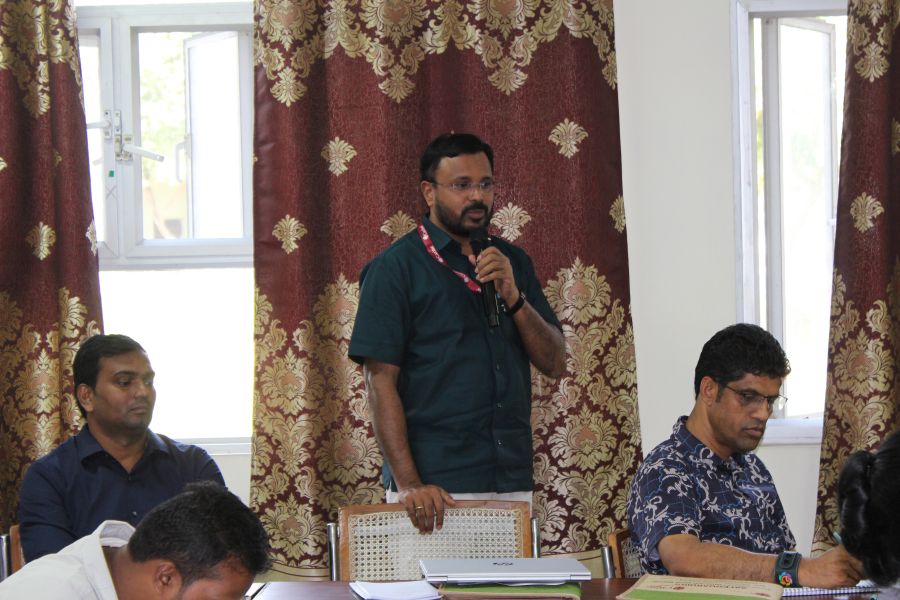
Assistant Executive Director of Caritas India, Fr Benny Edayath pushed the conversation deeper. He described safeguarding as “the protection of others as our own” and stressed that every individual has a right to safety and dignity. He challenged participants to anchor safeguarding in daily work, not documents, and to serve as ambassadors of a growing culture of care.
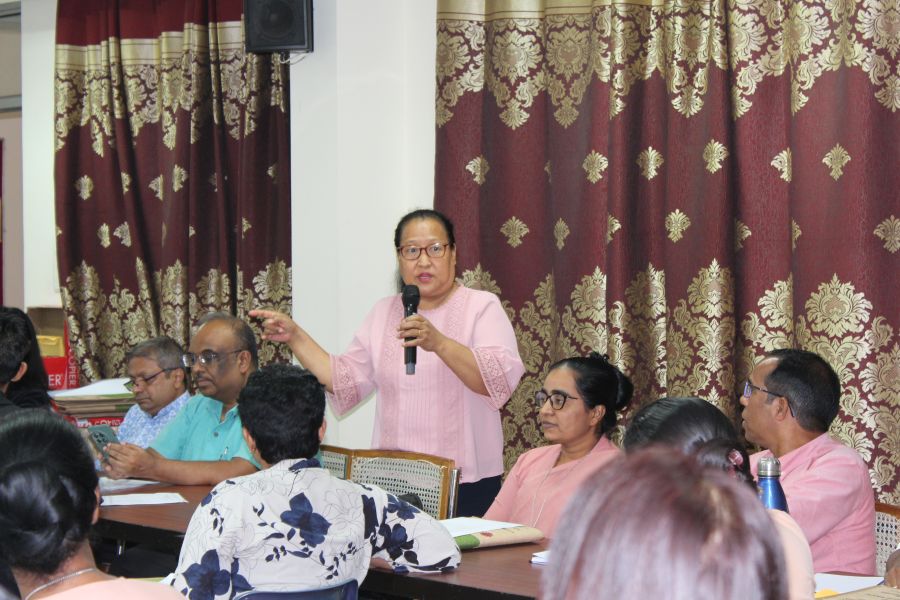
Ms. M Shimray, the regional coordinator of Caritas Asia underscored the urgency of consistent protocols across the entire Caritas network. She reminded the group that Caritas spans 61 entities across seven regions and stated, “Safeguarding is effective only when it is confidential, consistent and lived. Structures matter because they protect lives, not just processes.”
Participants worked together to define safeguarding in their own words, grounding it in respect, empowerment and responsibility.
The first thematic session explored how culture shapes safeguarding. Catherine examined cultural norms through an ethical lens. She invited participants to question any practice that compromises dignity. Shimray added a sharp insight. “Culture cannot be used as a shield for domination or exploitation. We must ask who holds the power, who benefits and who is silenced.” A reflective video reinforced the message that while culture evolves, dignity must remain constant.
A clear distinction between safeguarding, protection and child protection was then drawn. Participants reviewed forms of abuse, essential organisational structures, codes of conduct, internal committees and safe financial practices.
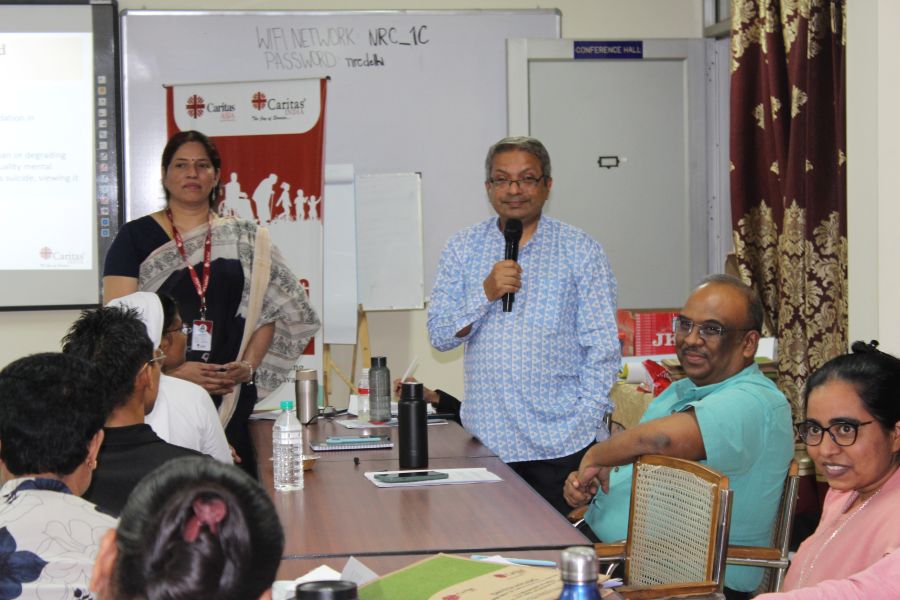
The second day shifted to trauma awareness and legal frameworks. Fr Konrad Joseph Noronha from Premanjali Counselling Services delivered stark evidence on Adverse Childhood Experiences. He showed how early trauma strongly influences health, behaviour and relationships even decades later. He also explained the often-overlooked concept of spiritual abuse, urging institutions to identify coercive or manipulative behaviour even when it appears in religious settings. His engagement on the intersection of canon and civil law prompted detailed questions from the group.
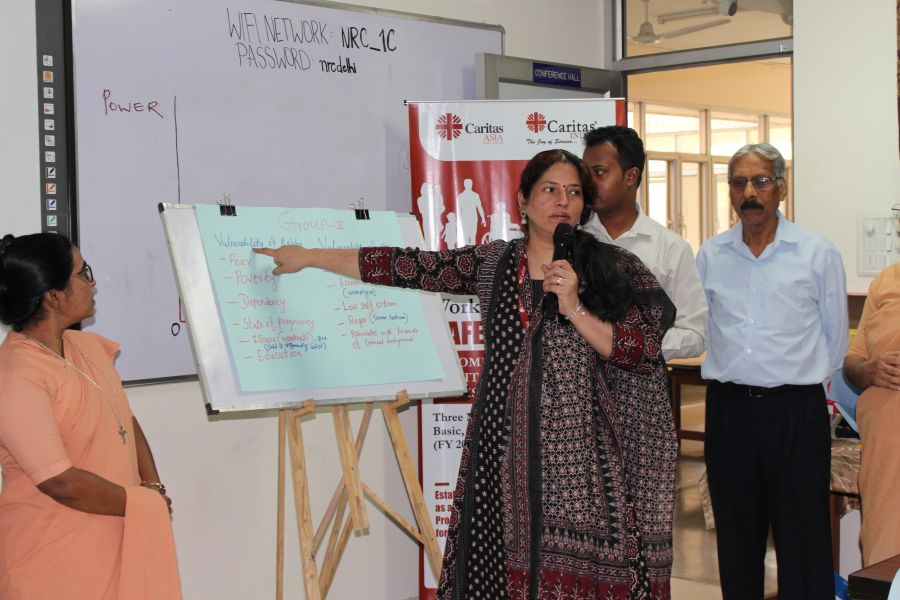
Human resources lead Sunita Ashwin broke down the legal obligations under the POSH Act, emphasising that in cases of harassment, the impact of the act outweighs intent. She provided clarity on timelines, reporting requirements, handling complaints and navigating false allegations. She also covered key components of the POCSO and Juvenile Justice (Care and Protection of Children) Act.
Institutional development and capacity building specialist, Mr. Kushal Neogy introduced the safeguarding ecosystem. He voiced a practical reminder. “Policies only protect when staff truly understand them. Translation, simplification and local relevance are essential.” He walked the group through six principles that hold the ecosystem together: empowerment, prevention, proportionality, protection, partnership and accountability.
The final day, facilitated by MEAL lead Dr Dileesh Varghese, focused on risk assessment and organisational sensitisation. Teams mapped vulnerabilities across their organisations and communities, identified potential risks and outlined strategies to strengthen internal safeguards. Each regional group closed with a three-month action plan that commits them to tangible, measurable improvements.
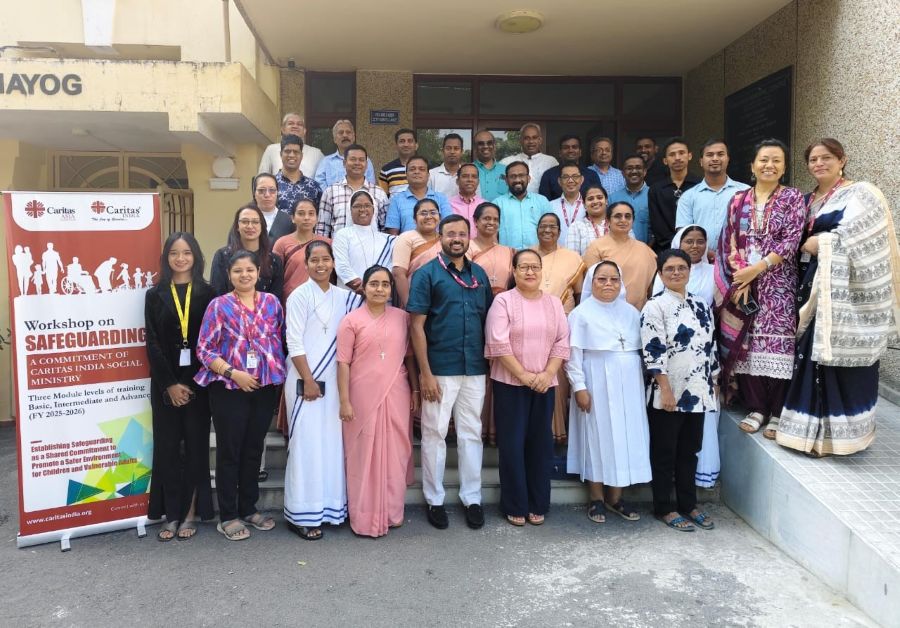
This workshop marked the basic level of safeguarding training. In the coming days, these participants will continue through intermediate and advanced modules facilitated by Caritas India, preparing them to become certified trainers for their respective regions.
Upcoming News
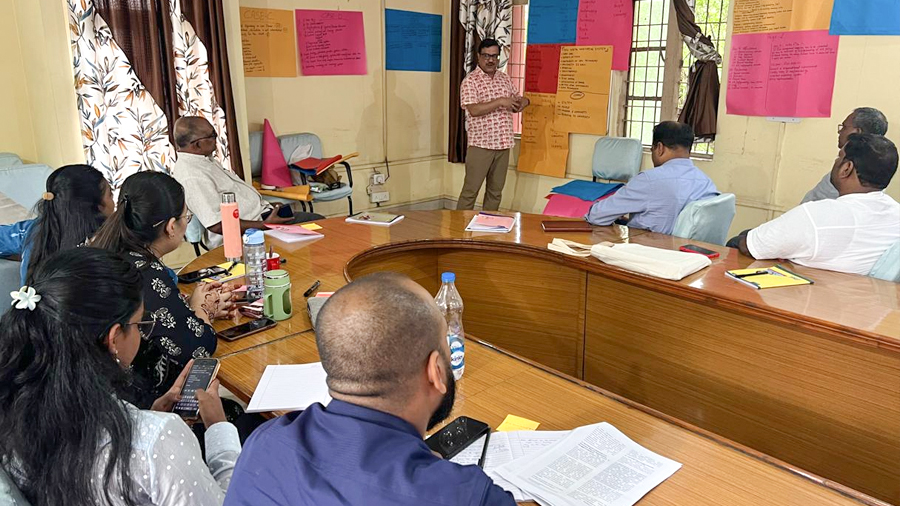
When NGOs Grow, What Breaks First? Caritas India Tackles the Answer in Raipur
Three-day workshop arms executive leaders with governance tools, a 20-policy framework and practical fixes for...
LEARN MORE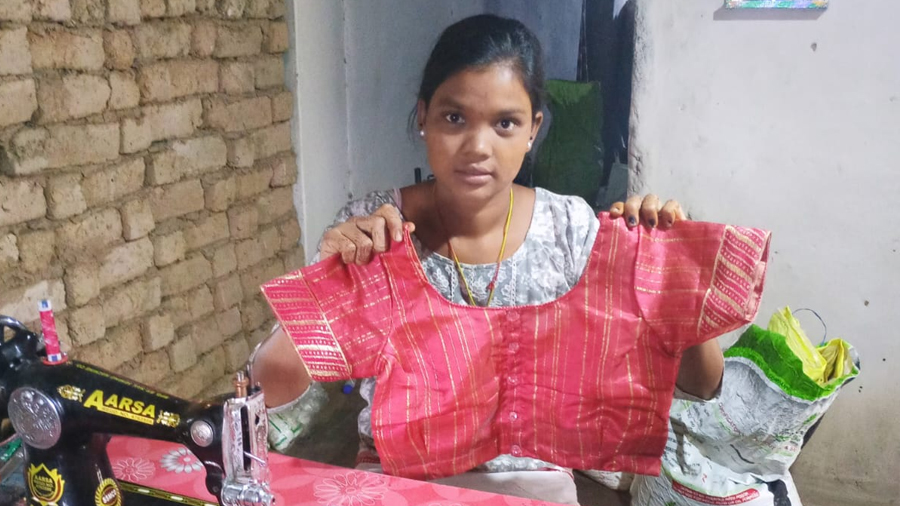
Nine Kilometres Through the Jungle: How Poornima Stitched Her Own Future
For 19 year old Poornima Rawat of Rajamma village in Lailunga block of Chhattisgarh's Raigarh...
LEARN MORE
In a Nuh Village, People Living With Mental Illness Finally Got to Speak, and Be Heard
Nine people sat in that room in Barota village, Nuh district, Haryana, each carrying a...
LEARN MORE 91 -11 - 23362735
  director@caritasindia.org


