
 91 -11 - 2336 3390
  director@caritasindia.org
 Children Power Change in Alesur
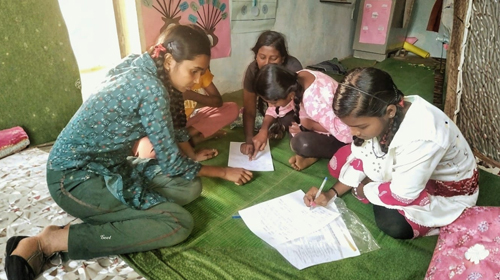
For nearly two years, the Learning Centre in Alesur village functioned without electricity.
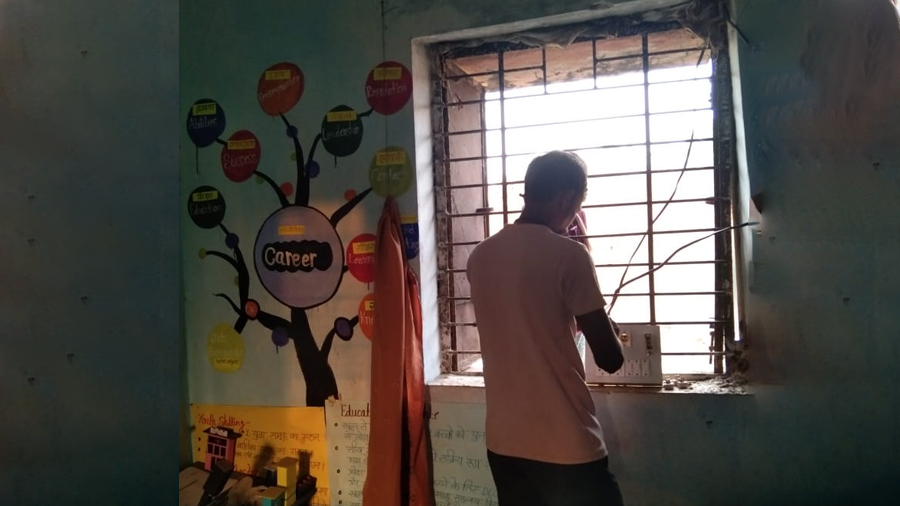
Hosted by the Gram Panchayat, the centre in Chhattisgarh serves as an important space where children gather before and after school for study support, learning activities, and recreation. But without electricity, the centre became increasingly difficult to use, particularly during the summer months. Children had to sit through intense heat without fans, and poor lighting often affected evening activities.
As temperatures rose, many children found it difficult to concentrate. Attendance frequently dropped during the hottest periods, and the learning environment became less conducive for study. Although the problem was widely known in the village, no concrete action had been taken to address it.
The issue gained momentum after children began organising themselves through the Bal Panchayat formed under the Khushaal Bachpan programme. Through regular meetings and orientation sessions, children learned about their rights, leadership, and the role they could play in addressing issues affecting their lives. They also became familiar with local governance structures and the ways in which citizens can engage with Panchayat institutions.
On 19 January 2026, members of the Bal Panchayat met to discuss concerns affecting children in the village. The absence of electricity at the Learning Centre quickly emerged as their top priority.
The Bal Panchayat had established a full cabinet structure, mirroring democratic institutions and enabling children to take responsibility for different areas of community life. Led by its Prime Minister Khileshwar Verma, Deputy Prime Minister Chanchal Verma, Finance Minister Priyanka, Sports Minister Annu, Sanitation Minister Yashu, and Cultural Minister Dageshwar, the children decided to take collective action.
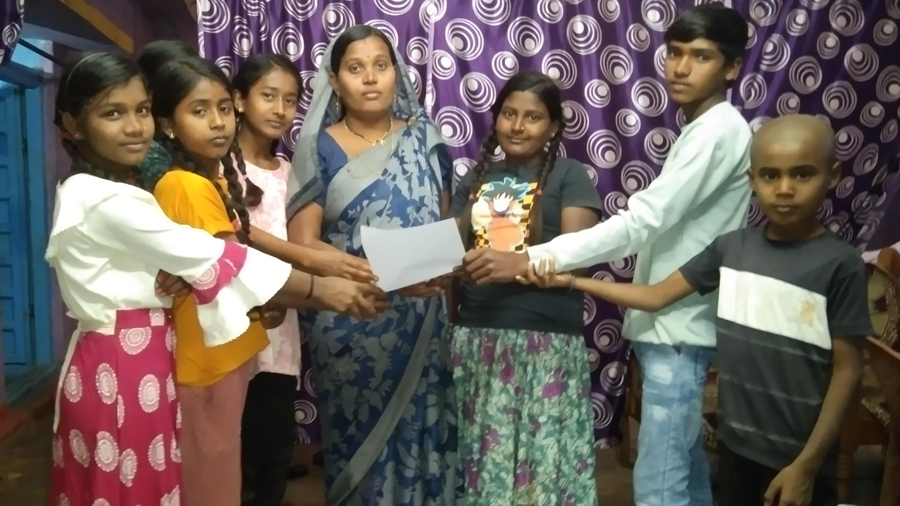
The children drafted an application requesting electricity facilities for the Learning Centre and submitted it to the Gram Panchayat on 20 January 2026. They also met Sarpanch Ms. Likheshwari Verma and explained how the lack of electricity was affecting their education.
“We enjoy coming to the Learning Centre, but during summer it became very difficult to sit and study for long hours,” said Khileshwar Verma. “We felt that electricity was necessary if we wanted to learn comfortably.”
Deputy Prime Minister Chanchal Verma said the children drew confidence from the knowledge and skills they had gained through the programme. “The orientation sessions taught us that we can raise issues affecting children. We decided to work together and approach the Panchayat,” she said.
While the Sarpanch assured the children of support, progress remained slow. A week later, with no visible action on the ground, Bal Panchayat members decided to raise the issue again during the Republic Day Gram Sabha on 26 January 2026.
Their appeal received support from village women leaders, including education volunteers associated with the Khushaal Bachpan programme.
“The children raised a genuine concern,” said Sunita, an education volunteer. “A learning space should have basic facilities, and we felt it was important to stand with them.”
The Panchayat subsequently arranged the required electrical materials, but installation work continued to face delays. Rather than abandoning the issue, the children continued to follow up over the following months. Throughout February, March, and April, they repeatedly raised the matter during community meetings, interacted with Panchayat representatives, and used Gram Sabha platforms to seek updates.
Their persistence did not go unnoticed.
“The children consistently followed up on this issue and presented their concerns responsibly,” said Sarpanch Likheshwari Verma. “Their commitment encouraged all of us to ensure the work was completed.”
Finally, on 29 May 2026, electricity was installed at the Learning Centre. Fans and lighting were soon operational, transforming the space into a more comfortable and functional environment for learning.
For the children, the achievement represented much more than an electricity connection. It was the result of months of collective effort, follow up, and engagement with local governance institutions.
The experience demonstrated how child participation can move beyond consultation and lead to tangible improvements in children’s lives. By identifying a problem, organising themselves, engaging with decision makers, and persistently advocating for change, the children of Alesur helped secure a better learning environment for themselves and future generations of students.
Today, the lights and fans running inside the Learning Centre stand as a reminder that when children are given opportunities to participate meaningfully and communities respond to their voices, even long-standing problems can find solutions.
Upcoming News
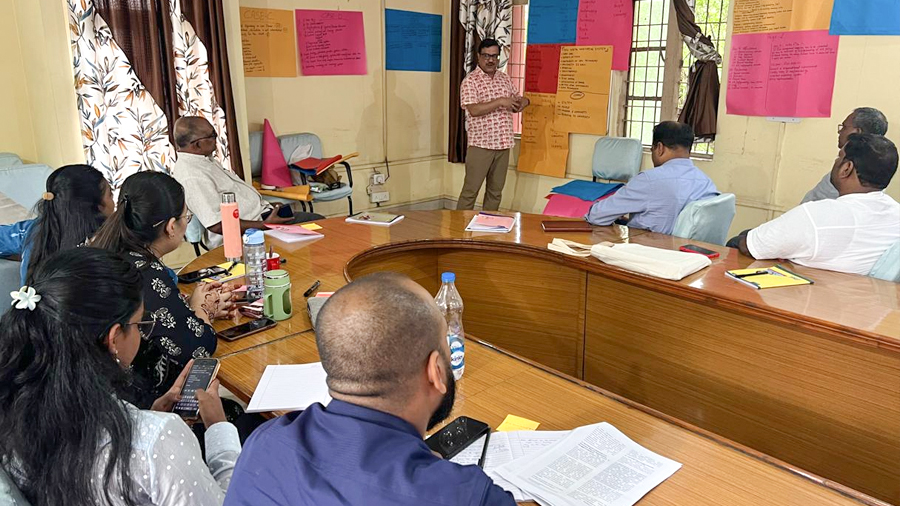
When NGOs Grow, What Breaks First? Caritas India Tackles the Answer in Raipur
Three-day workshop arms executive leaders with governance tools, a 20-policy framework and practical fixes for...
LEARN MORE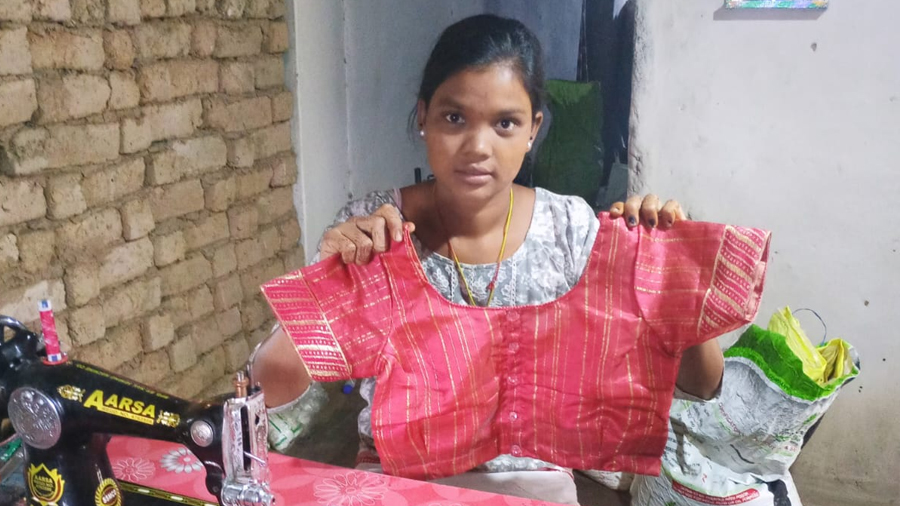
Nine Kilometres Through the Jungle: How Poornima Stitched Her Own Future
For 19 year old Poornima Rawat of Rajamma village in Lailunga block of Chhattisgarh's Raigarh...
LEARN MORE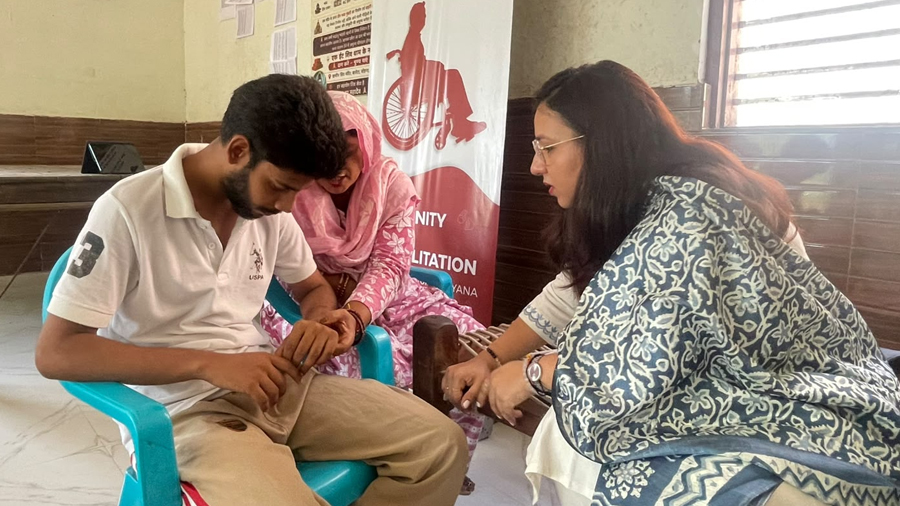
In a Nuh Village, People Living With Mental Illness Finally Got to Speak, and Be Heard
Nine people sat in that room in Barota village, Nuh district, Haryana, each carrying a...
LEARN MORE 91 -11 - 23362735
  director@caritasindia.org


