
 91 -11 - 2336 3390
  director@caritasindia.org
 Empowering Arunachal Pradesh Farmers Through Oyster Mushroom Cultivation: A Sustainable Income Solution
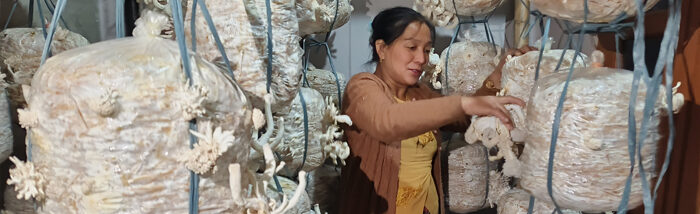
In the green hills of Arunachal Pradesh, the tradition of foraging for wild mushrooms has always been part of local life. Yet, the scarcity of these mushrooms and the increasing challenges posed by climate change have prompted a shift towards their commercial cultivation. This transition is spearheaded by the Caritas India FARM Northeast program, aiming to strengthen the resilience of smallholder farmers against climatic uncertainties and enhance their livelihoods.
Arunachal Pradesh’s agricultural landscape is dominated by smallholder farmers, with over 75% falling into the small or marginal category. The Caritas India FARM Northeast program has identified oyster mushroom cultivation as a transformative solution to diversify income sources and utilize local resources like paddy straw efficiently. This initiative not only tackles agricultural waste management but also provides a sustainable income stream.
A detailed baseline study revealed that farmers traditionally burned paddy straw to enrich soil, releasing greenhouse gases and wasting valuable biomass. The introduction of oyster mushroom cultivation offered a sustainable alternative. By converting straw into a productive substrate for mushrooms, farmers could enhance their incomes while mitigating environmental impact. The favorable climate of Arunachal Pradesh further supports the cultivation of oyster mushrooms, making it an ideal crop for the region.
The Itanagar Diocesan Empowerment Association (IDEA), partner of Caritas India, conducted extensive technology demonstrations across twelve villages in the Ziro region. These sessions aimed to equip farmers with essential skills in oyster mushroom cultivation, from preparation and production to harvesting and marketing. By providing ongoing technical support, the program has ensured the establishment of low-cost production units, resilient to climatic adversities.
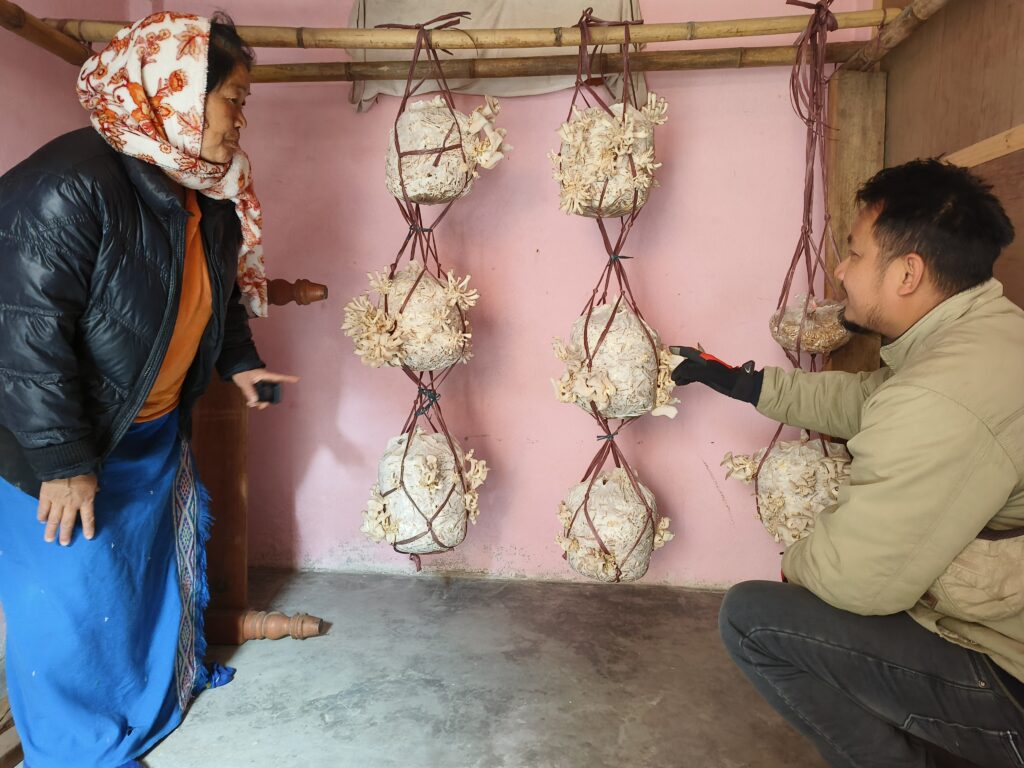
Farmers in villages like Hari, Siibe, and Kardo have become exemplary figures in this transformative journey. Mrs. Kime Yamang, one of the lead farmers, shared her success story: “Before this initiative, we struggled with unpredictable yields and limited income. Now, with mushroom cultivation, we have a stable and profitable venture that supports our families year-round.”
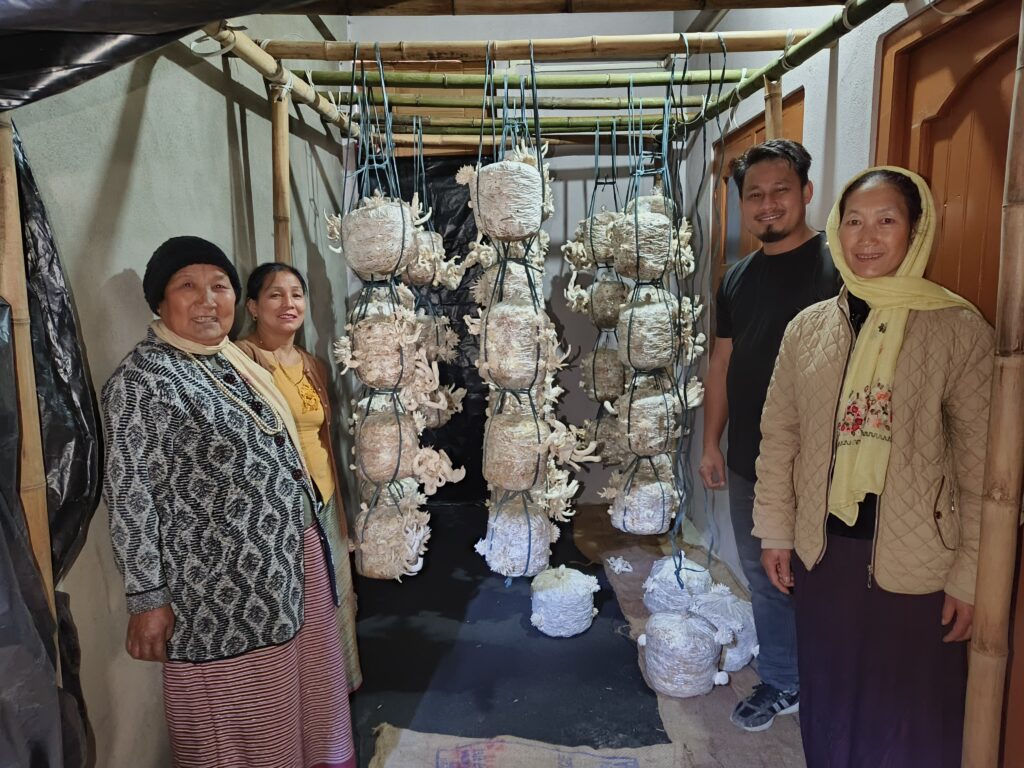
The ripple effect of the program’s success is evident in the formation of collectives like the Siibe Farmers Group. These groups, dedicated to continuous mushroom production, symbolize the collaborative spirit fostered by the initiative. They not only enhance economic stability but also improve community cohesion and shared knowledge.The benefits extend beyond immediate economic gains. Oyster mushrooms are rich in nutrients and have medicinal properties, contributing to improved food security and nutrition within the community. By reducing reliance on traditional, often less resilient crops, the program helps farmers build a buffer against climate-induced crop failures.
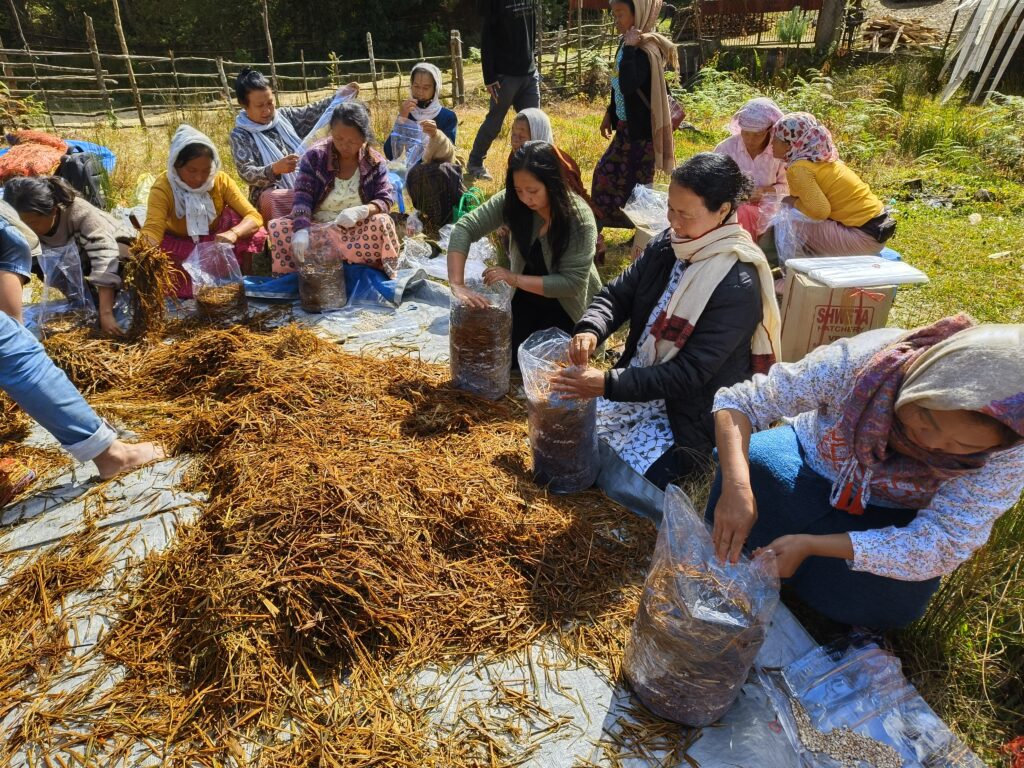
Moreover, this initiative addresses environmental concerns. By utilizing paddy straw, which would otherwise be burned, the program reduces carbon emissions and promotes sustainable agricultural practices. This holistic approach ensures that the environmental footprint of farming is minimized while maximizing economic returns.
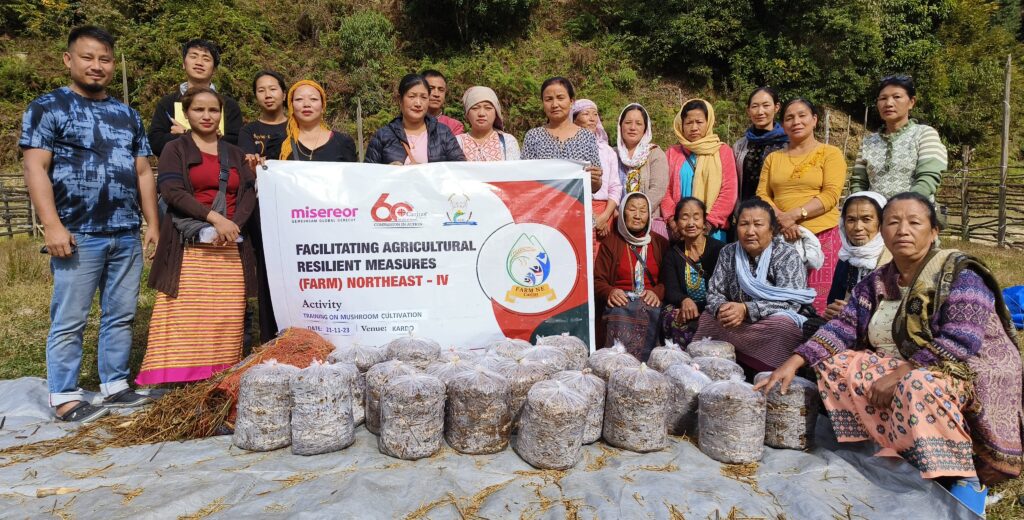
The journey of Arunachal Pradesh’s farmers from subsistence to sustainable prosperity through oyster mushroom cultivation is a testament to the power of targeted, well-supported agricultural interventions. With continued collaboration and innovation, the region is charting a path towards a more resilient and prosperous agricultural future, offering a model for other communities facing similar challenges.
Upcoming News
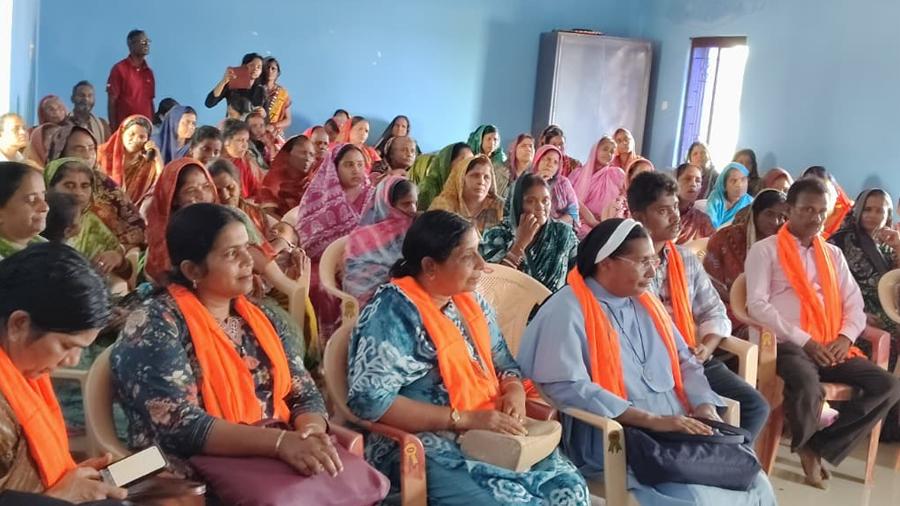
Kerala and Odisha Practitioners Come Together for Workshop on Humanitarian Aid and Disaster Risk Reduction
Disaster risk reduction practitioners from Kerala's Safe Within, Reconnect Wayanad and Vilangad Project travelled to...
LEARN MORE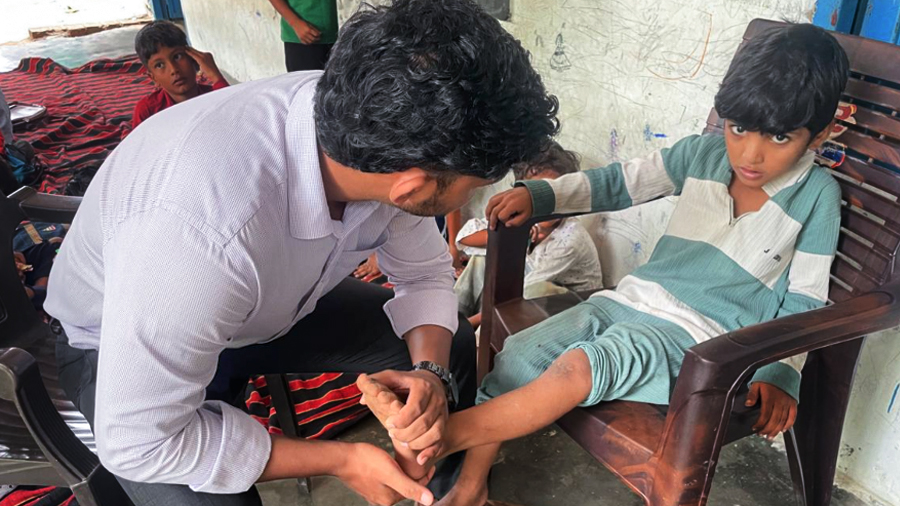
How Faiz Learned to Walk Again with Physiotherapy and Orthotic Support
There is a particular kind of heartbreak in watching your child want to play and...
LEARN MORE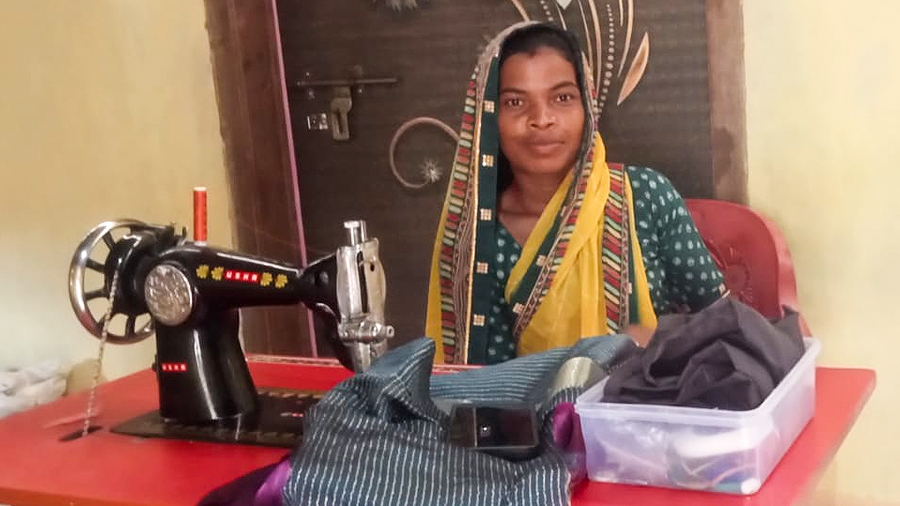
Every Stitch Keeps a Dream Alive
On the day Shiropati paid her children’s school fees from the money she earned through...
LEARN MORE 91 -11 - 2336 3390
  director@caritasindia.org


