
 91 -11 - 2336 3390
  director@caritasindia.org
 Enhancing protection outcomes in emergency response and DRR programs
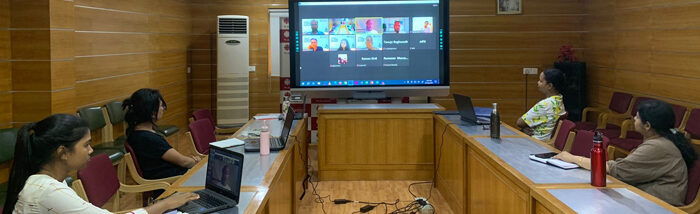
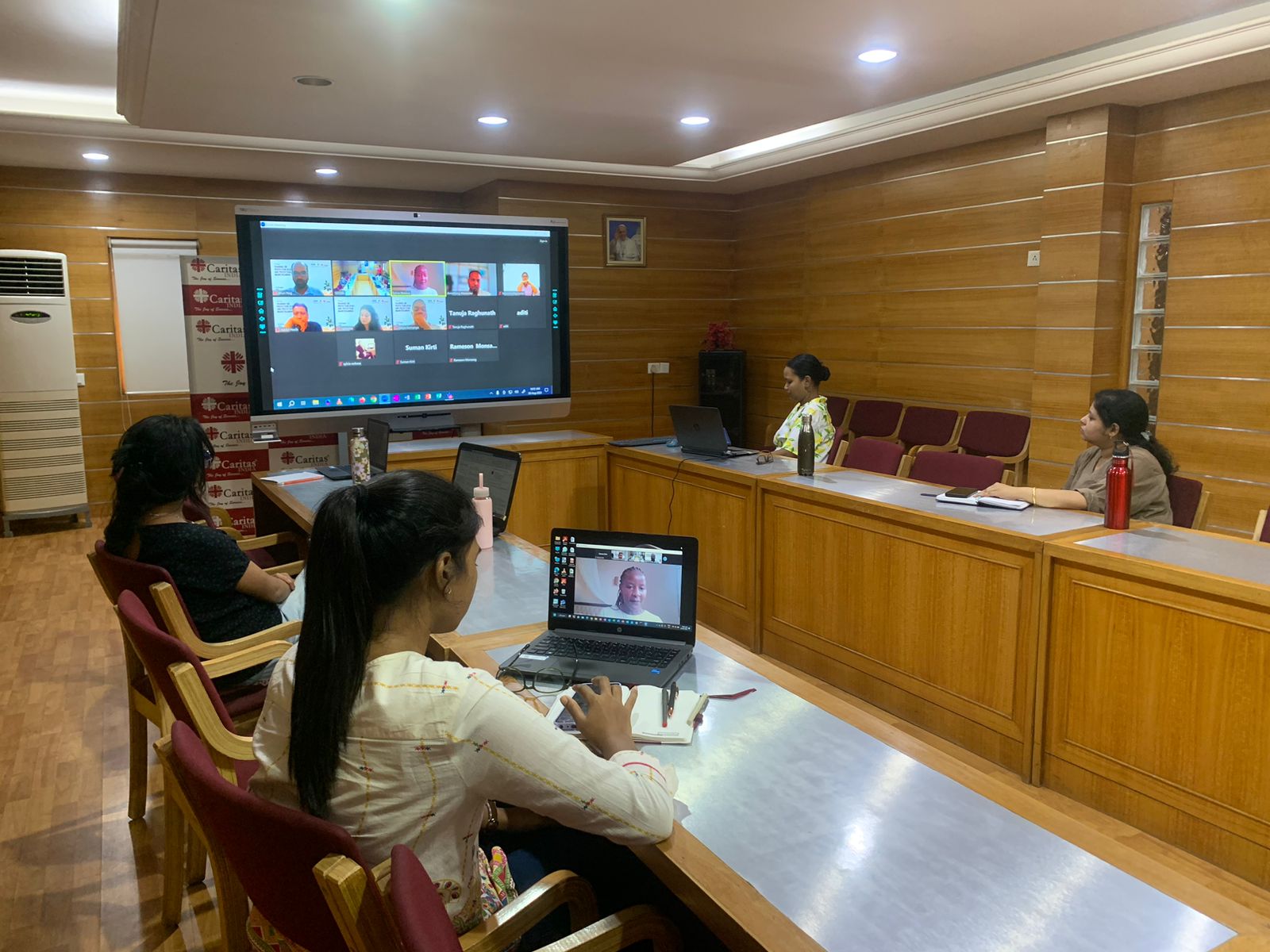
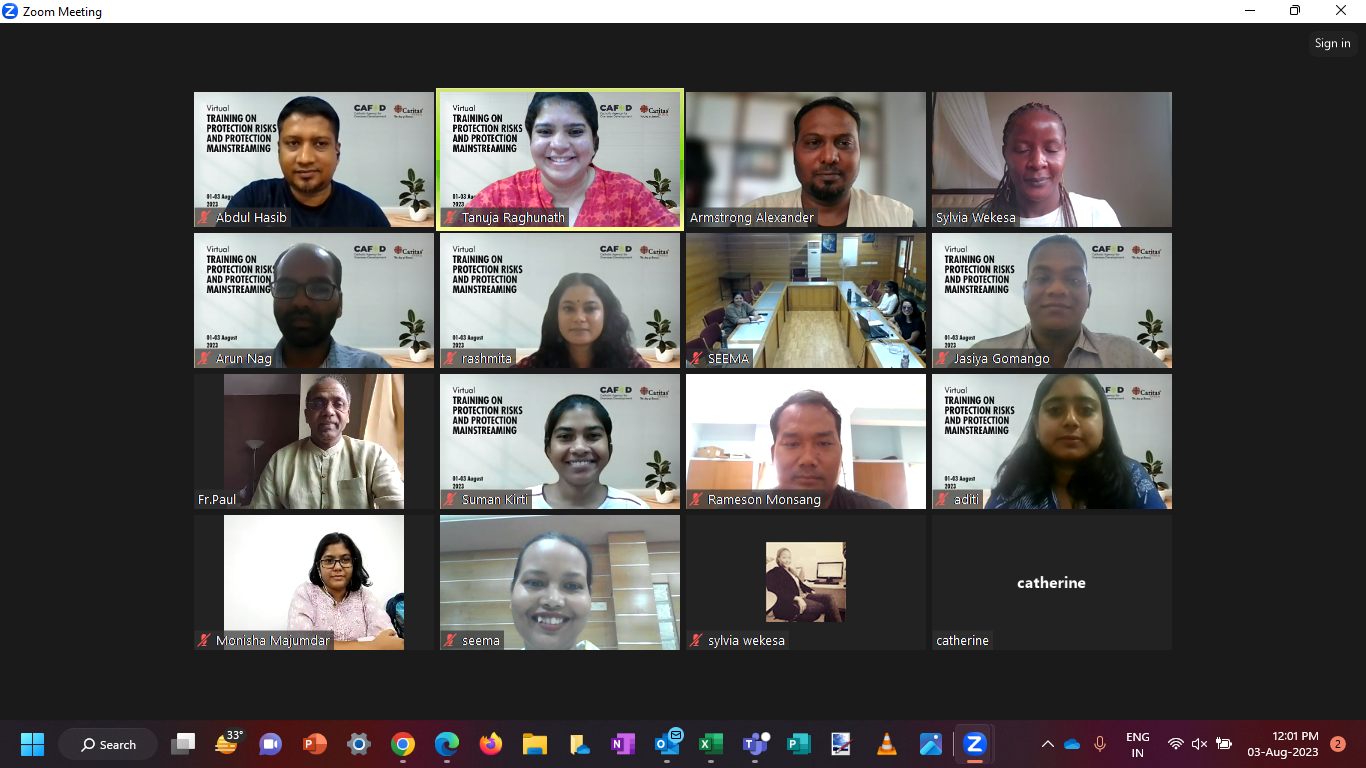
In a bid to enhance the protection outcomes of its emergency response and disaster risk reduction (DRR) programs, a 3-day virtual training was organized on “Protection Risks and Protection Mainstreaming” for its staff from 1st to 3rd August 2023. The training, which was conducted by Ms. Sylvia Wekesa, a Protection Mainstreaming Specialist from CAFOD, covered topics such as gender-based violence (GBV) case management and safe referrals, protection risk assessment and analysis, and protection mainstreaming principles and methodologies.
The training was attended by 13 participants, mainly from the Humanitarian Aid and Disaster Risk Reduction (HA-DRR) desk of Caritas India and a few staff from development programs and the Human Resource department as well. The participants gained a clear understanding of the different forms of GBV and the steps involved in dealing with the case management of survivors. Ms. Sylvia discussed at length the 6 steps of GBV Case Management right from the initial introduction and engagement to the case follow-ups and closure, that every case worker needs to follow to ensure the smooth management of GBV cases considering the high levels of sensitivity of the same.
The participants also learned how to identify and map the protection risks that communities may face in humanitarian contexts, and how to use tools such as protection risk analysis matrix, safety audits, vulnerability, and capacity assessments, among others. Moreover, they were made aware of the importance of mainstreaming protection into different sectors of humanitarian interventions, and the four guiding principles of protection mainstreaming: prioritizing safety and dignity, ensuring meaningful access, accountability and participation, and empowerment.
The participants also learned how to identify and map the protection risks that communities may face in humanitarian contexts, and how to use tools such as protection risk analysis matrix, safety audits, vulnerability, and capacity assessments, among others. Moreover, they were made aware of the importance of mainstreaming protection into different sectors of humanitarian interventions, and the four guiding principles of protection mainstreaming: prioritizing safety and dignity, ensuring meaningful access, accountability and participation, and empowerment.
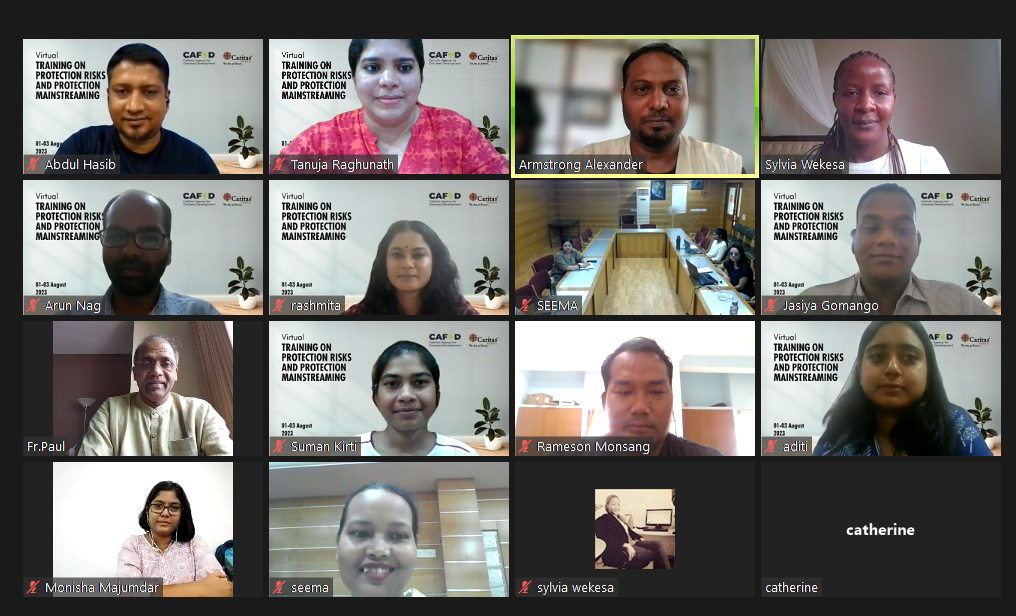
The training was highly appreciated by the participants, who expressed their gratitude to CAFOD and Ms. Sylvia for facilitating such a useful and relevant learning opportunity. They also shared their feedback and suggestions for further improvement of the training content and delivery. The training was part of Caritas India’s ongoing efforts to build the capacity of its staff on various aspects of humanitarian work and to ensure that its programs are responsive to the needs and rights of the most vulnerable communities.
Upcoming News
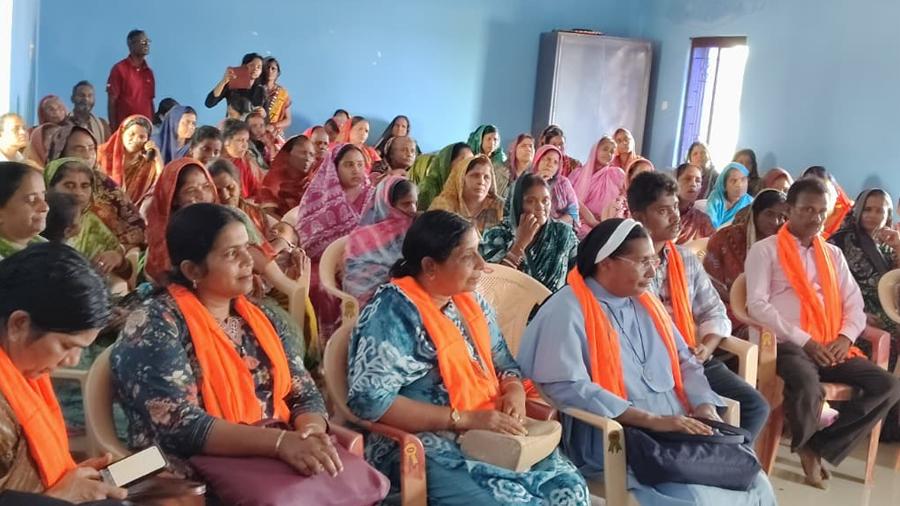
Kerala and Odisha Practitioners Come Together for Workshop on Humanitarian Aid and Disaster Risk Reduction
Disaster risk reduction practitioners from Kerala's Safe Within, Reconnect Wayanad and Vilangad Project travelled to...
LEARN MORE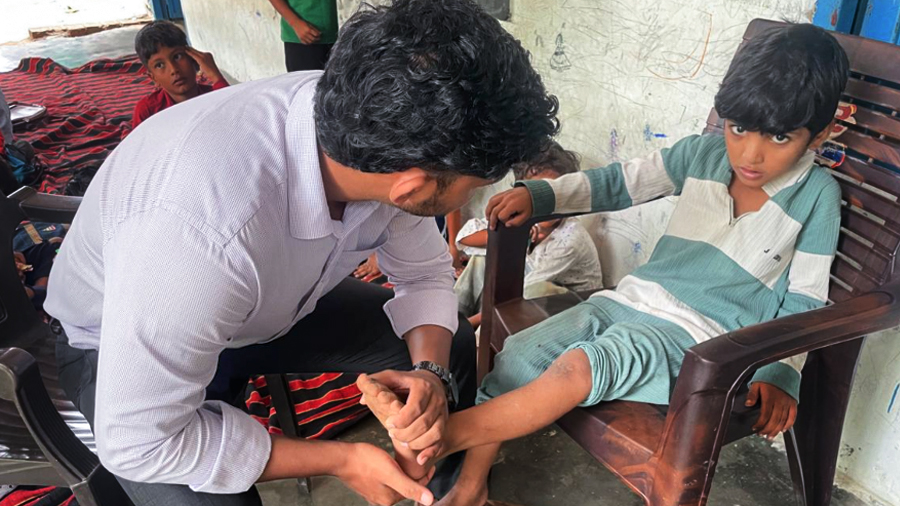
How Faiz Learned to Walk Again with Physiotherapy and Orthotic Support
There is a particular kind of heartbreak in watching your child want to play and...
LEARN MORE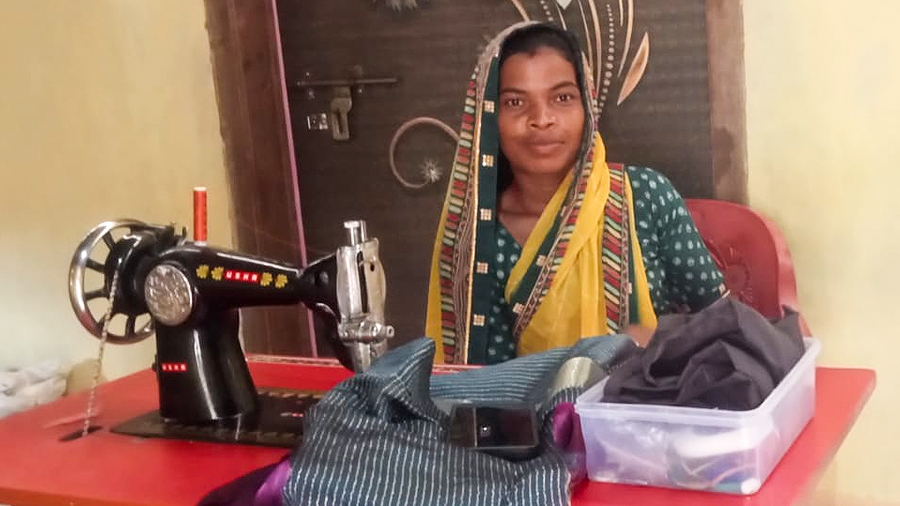
Every Stitch Keeps a Dream Alive
On the day Shiropati paid her children’s school fees from the money she earned through...
LEARN MORE 91 -11 - 2336 3390
  director@caritasindia.org


