
 91 -11 - 2336 3390
  director@caritasindia.org
 Enhancing the culture of professional learning at Caritas India
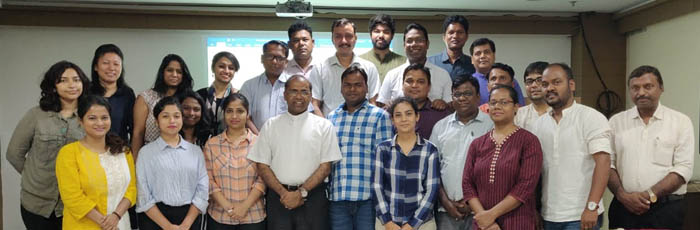
“Knowledge and skills can be polished and enhanced but attitude comes from self and individual could learn and adopt good parts from others”, shared Fr. Paul, Executive Director of Caritas India to the newly recruited staff during the second Staff Development Programme meet held at Don Bosco SPCI House, Dwarka, Delhi from 24-26 April 2019.
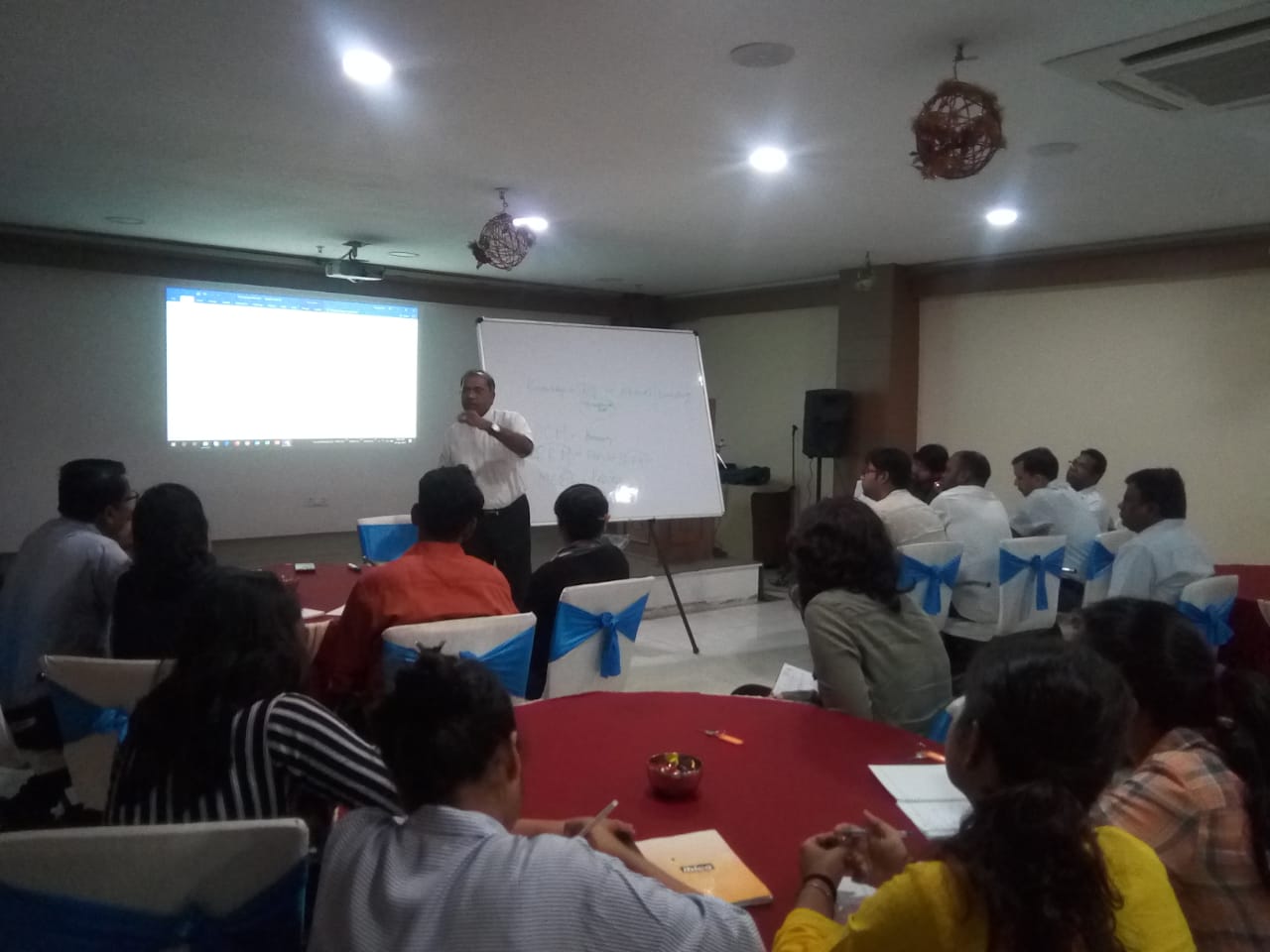
The training programme focussed on different social development tools and methodologies such as PCM (Project Cycle Management), RBM (Result-based Management, PRA (Participatory rural appraisal) and MEAL (Monitoring, Evaluation, Analysis, and Learning).
Resource person shared different models to develop a common understanding of PRA Reflection, PRA Process, tools and techniques, reflection on data collection, Compilation and documentation, situation analysis. Session on project cycle management, its objective, model on PTA, SA, PRA, LFM was a fruitful experience of learning with practices. This learning was accompanied by various group activities and role plays for greater clarity.
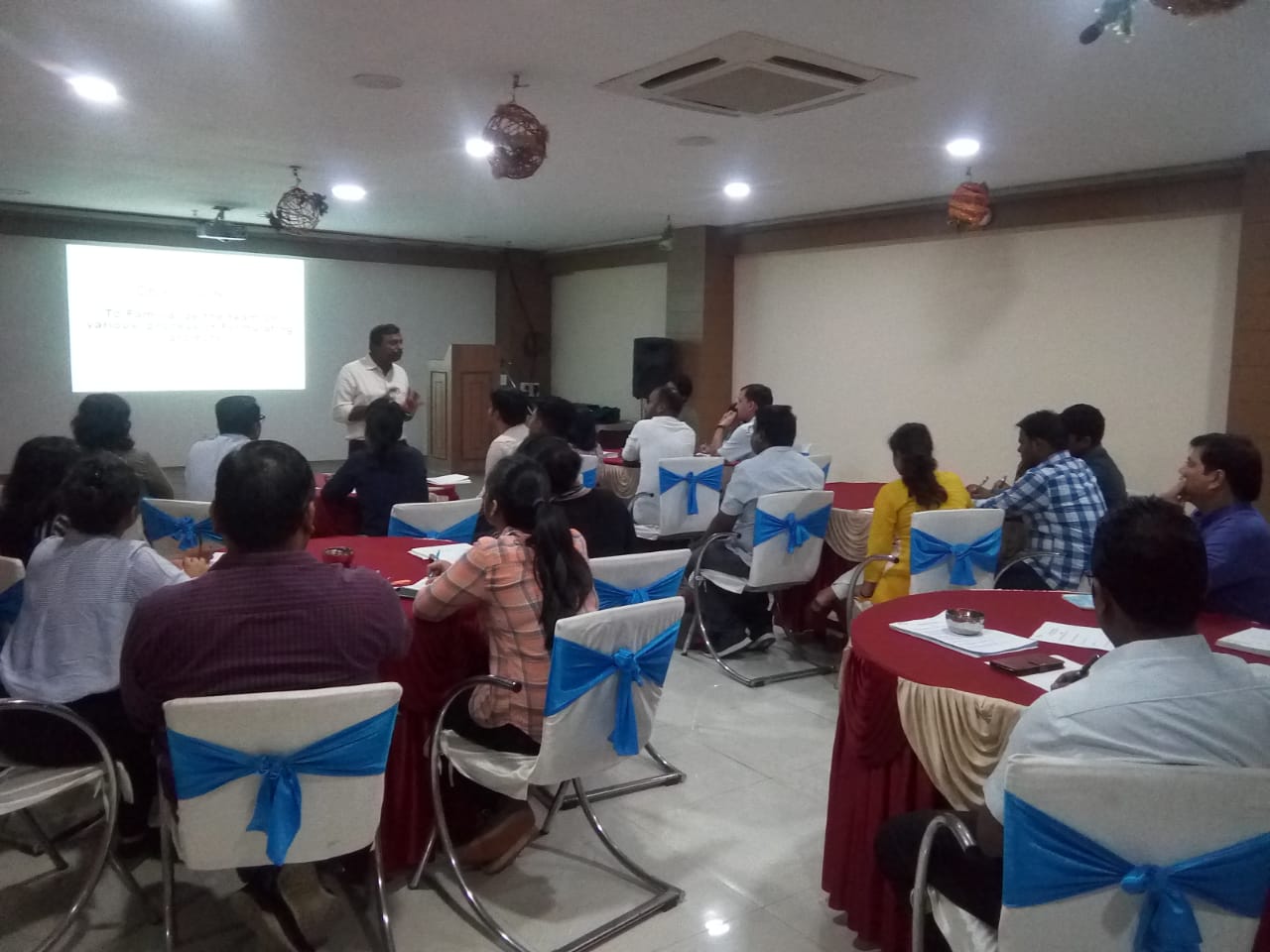
Components of project cycle management such as strategy setting, need assessment, programme development, resource mobilization, implementation, and evaluation opened up a larger vision for the participants. Session on community participation, its components, techniques of project writing technique and skills were explained well.
Situation analysis is a pre-planning step which helps to examine the current situation of the intervention area, its context for identifying and agreeing on major strengths and issues which affects the development of people and helps the organization to plan for the future. Knew about the logical framework analysis, it should have ‘SMART’ approach i.e. Specific, measurable, achievable, relevant and trekkable.
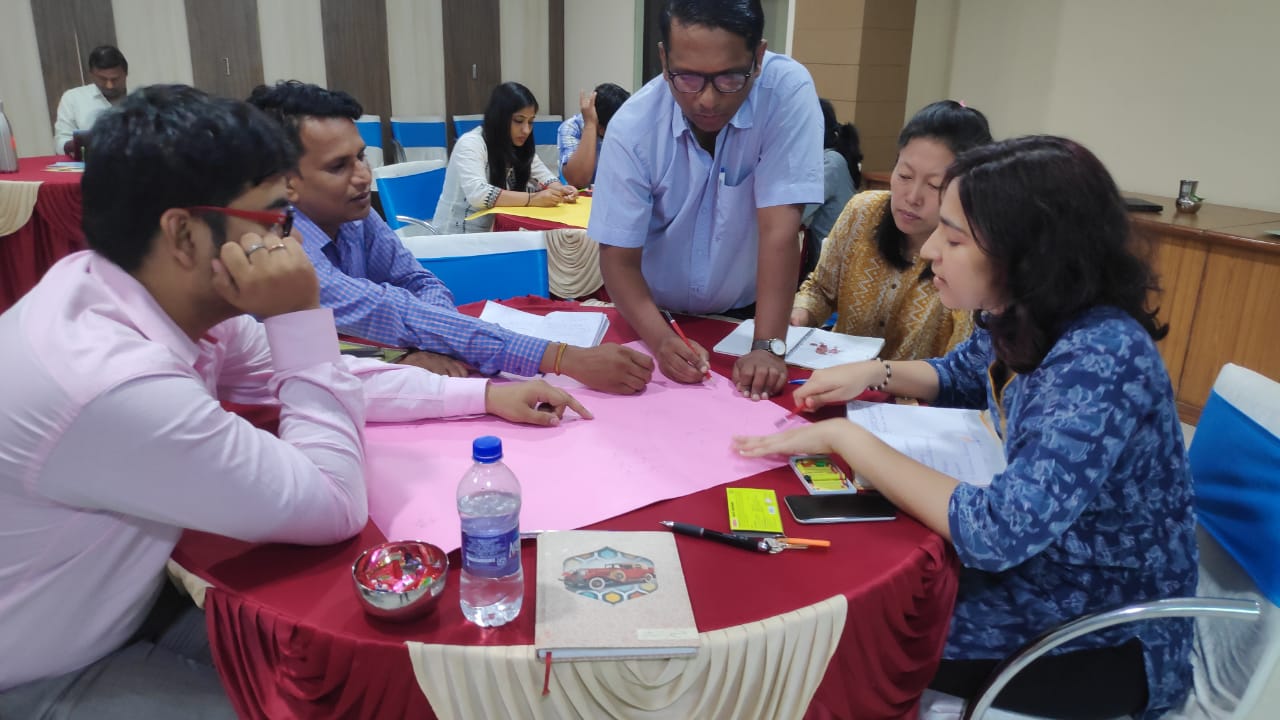
There was a session on Participatory Rural Appraisal (PRA) and on its methodology for interactive processes of social development. It is a way of learning from the people, with the people, and by the people. It is, therefore, a methodology for analyses, planning, monitoring, and evaluation, allows people to express their own ideas and perceptions in an inductive manner. Historical background and evolution of PRA were also shared. Talked about types /kinds of PRA such as exploratory, topical, deductive, training research and statistics, planning / implementation and monitoring and evaluate. Distinguish features of participatory rural appraisal. Participants were asked to do PRA, write situational analysis report based on social mapping and its institutional linkages.
Understanding on MEAL i.e. Monitoring and Evaluation, learning and Assessment was also given to the participants for accessing the improvement of the project. Importance of qualitative and quantitative data was shared which is important in monitoring and evaluation. There was a session on the community-based monitoring system.
Towards the end, all the participants were divided into four to five groups for making evaluation strategy on the selected programme.
Upcoming News
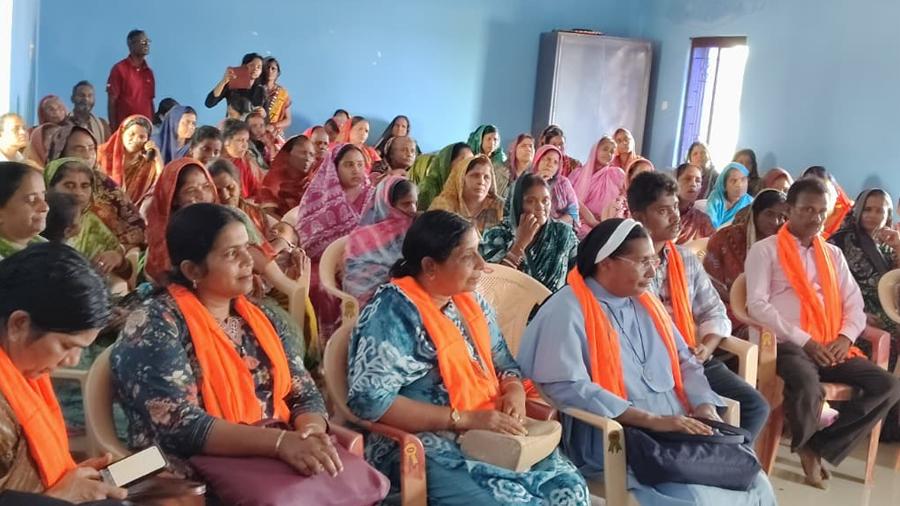
Kerala and Odisha Practitioners Come Together for Workshop on Humanitarian Aid and Disaster Risk Reduction
Disaster risk reduction practitioners from Kerala's Safe Within, Reconnect Wayanad and Vilangad Project travelled to...
LEARN MORE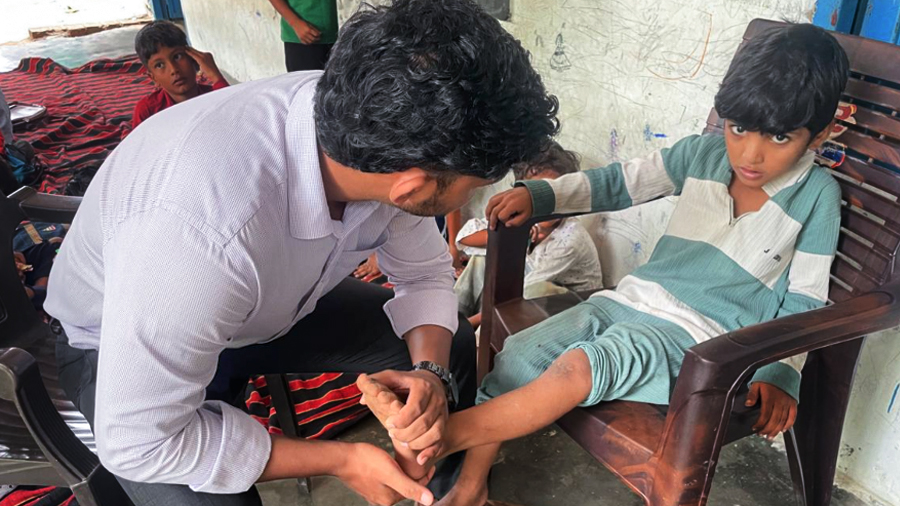
How Faiz Learned to Walk Again with Physiotherapy and Orthotic Support
There is a particular kind of heartbreak in watching your child want to play and...
LEARN MORE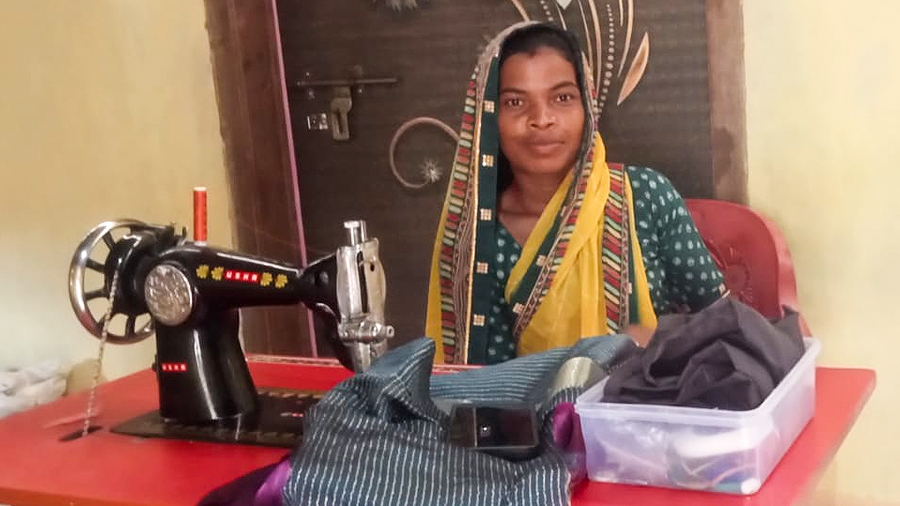
Every Stitch Keeps a Dream Alive
On the day Shiropati paid her children’s school fees from the money she earned through...
LEARN MORE 91 -11 - 2336 3390
  director@caritasindia.org


