
 91 -11 - 2336 3390
  director@caritasindia.org
 FARM Farmers defying widespread use of chemical pesticides
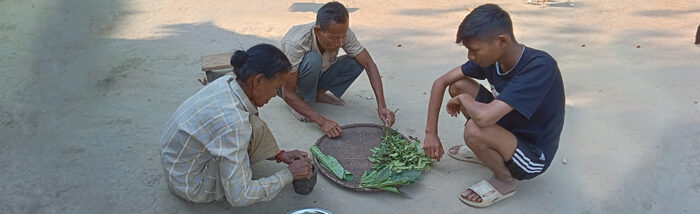
Pesticides are generally the first option for farmers when managing pests, but this reality is negated by the Tiwa Community of FARM Northeast program.
The Tiwa community Kekuragaon village under the Hatbor Panchayat in the Nagaon district, defies the conventional approach to pest management. Comprising 130 families, this community has long championed natural and organic farming practices, steering clear of chemical inputs to nurture their crops and the environment.
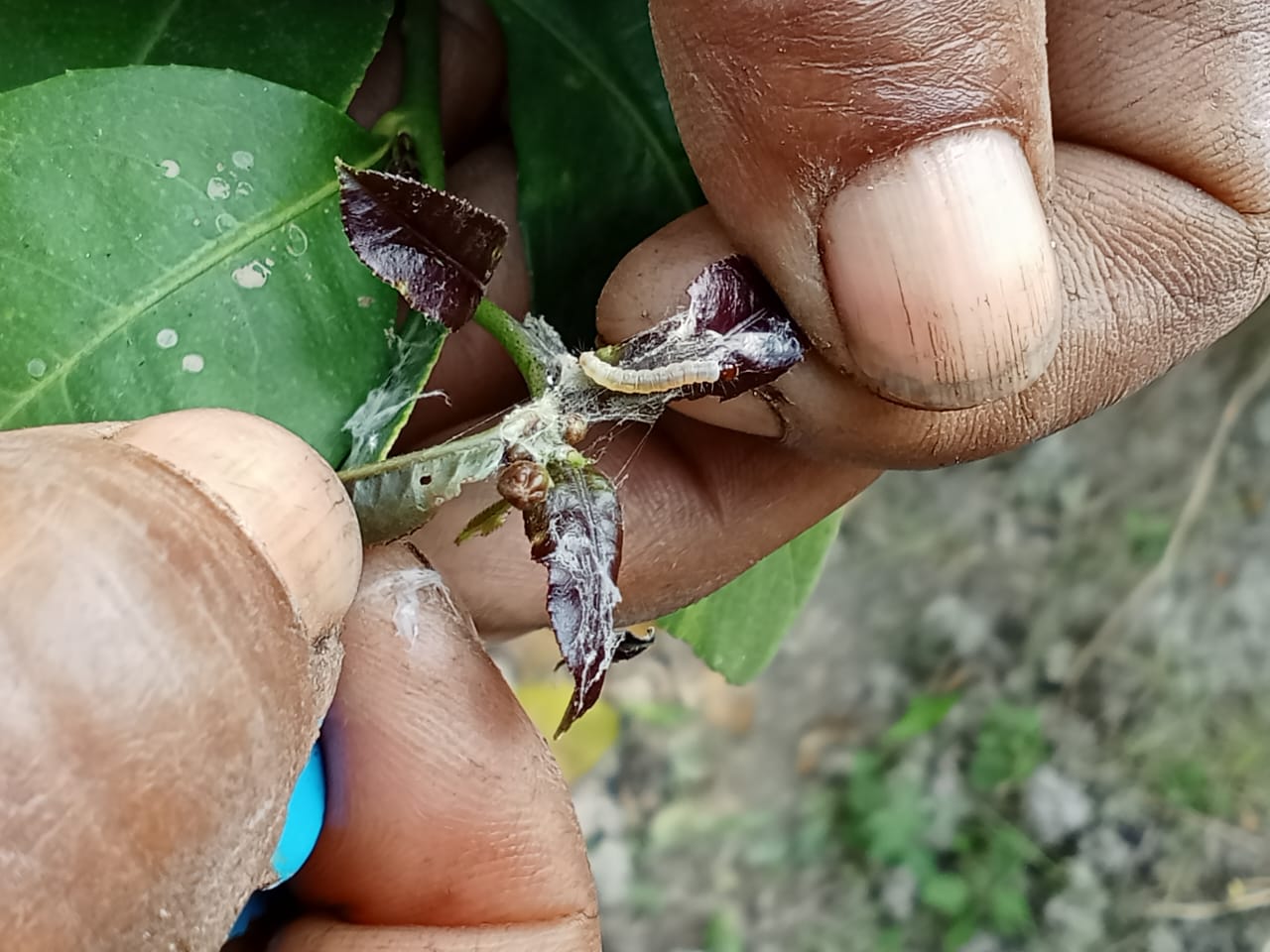
Yet, the peaceful farming landscape of Kekuragaon faced an unexpected challenge as climate changes brought forth new varieties of pests, threatening their cherished vegetable and paddy crops. Unfamiliar with combating these emerging threats, farmers found themselves reluctantly resorting to chemical pesticides, risking the village’s commitment to organic agriculture.
Amidst this dilemma, the Guwahati Gana Seva Society under FARM Northeast, Phase IV stepped in. A survey revealed that 84 out of 130 families in Kekuragaon were engaged in livestock farming, particularly owning cows. This became the cornerstone of an innovative intervention.
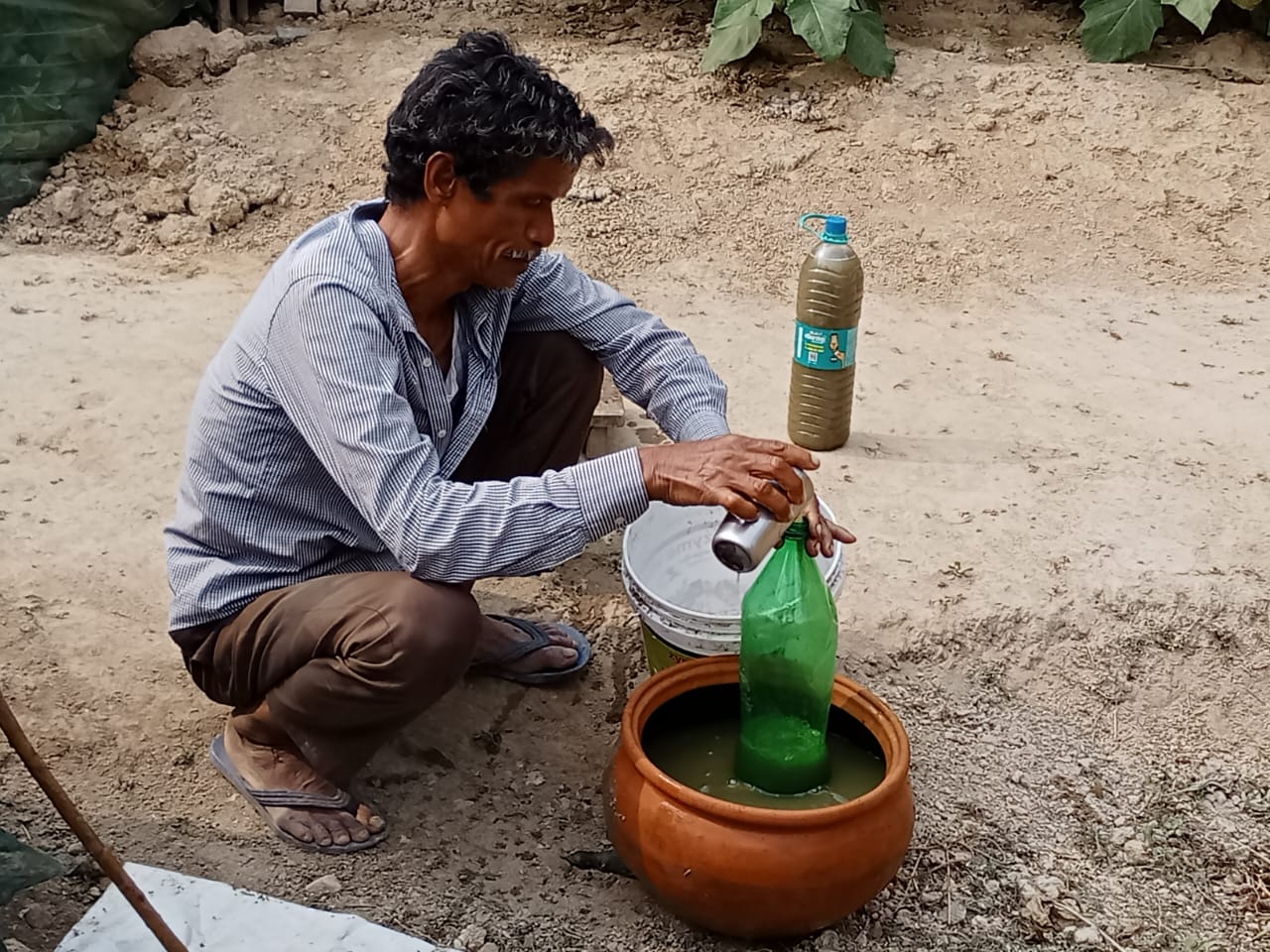
The intervention encouraged families to harness the power of cow urine, a readily available resource. A detailed demonstration showcased the preparation of a bio-pest repellent using cow urine, Ginger (Zingiber Sp), Garlic (Allium Sp), Chili (Capsicum Sp), Era (Ricinus Sp) leaves, Akon (Calotropis Sp) leaves, Dhatura (Datura Sp) leaves, and Neem (Azadirachta Sp) leaves. Proven effective in trials, the bio-pest repellent marked a turning point for Kekuragaon. Satisfactory results prompted more farmers to embrace this sustainable method, inspiring the entire community to actively collect and store cow urine for future use in pest management.
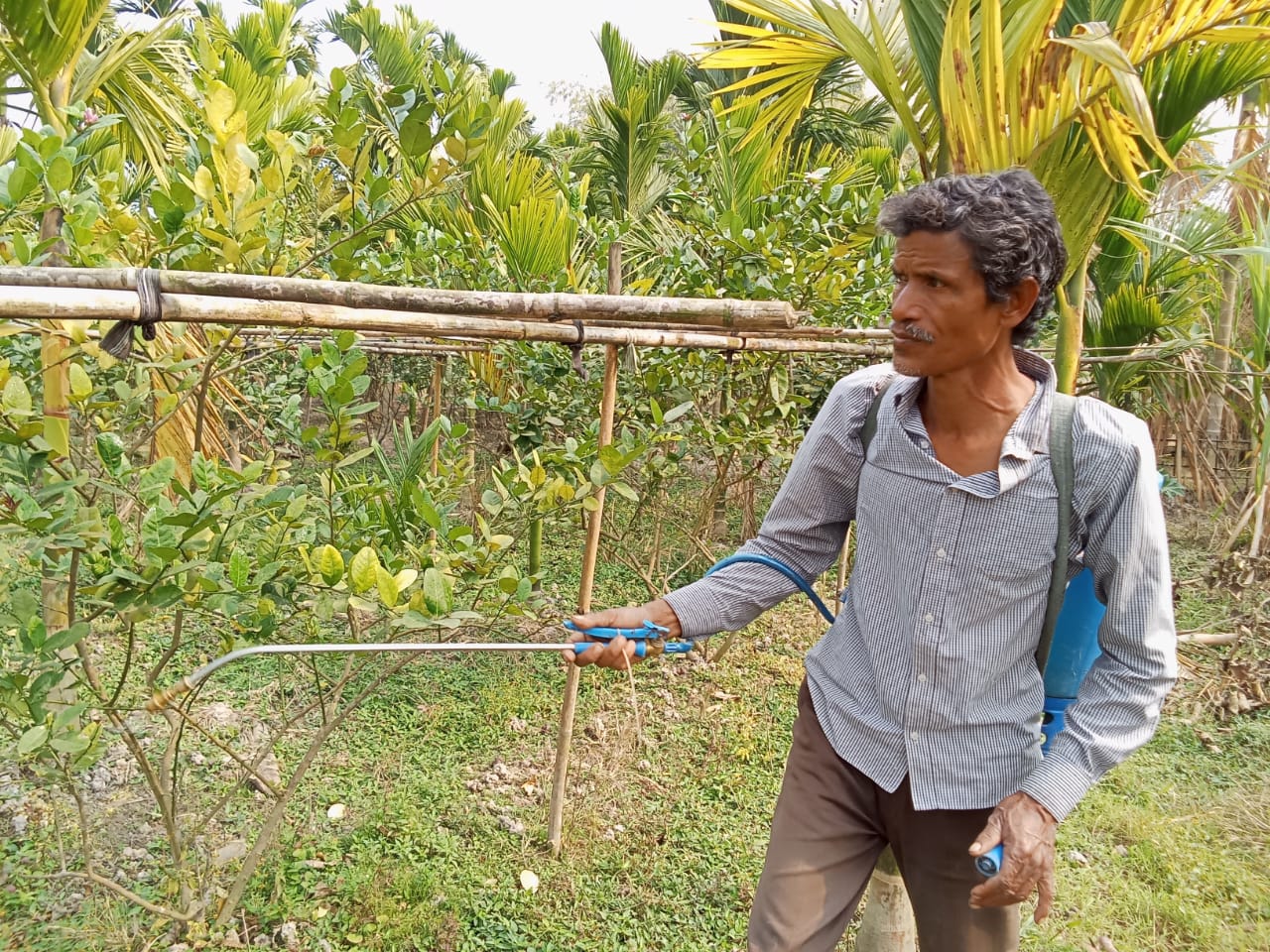
Raju Pator, a 51-year-old farmer from Kekuragaon, shared, “When our crops were under attack, it seemed like there was no other option. However, the intervention introducing the use of cow urine as a bio-pest repellent not only saved our crops but also restored our commitment to natural farming.”
This organic revolution gained regional acclaim, with neighbouring villages sourcing cow urine from Kekuragaon. In a remarkable turn, the community became pioneers in sustainable and eco-friendly farming practices.
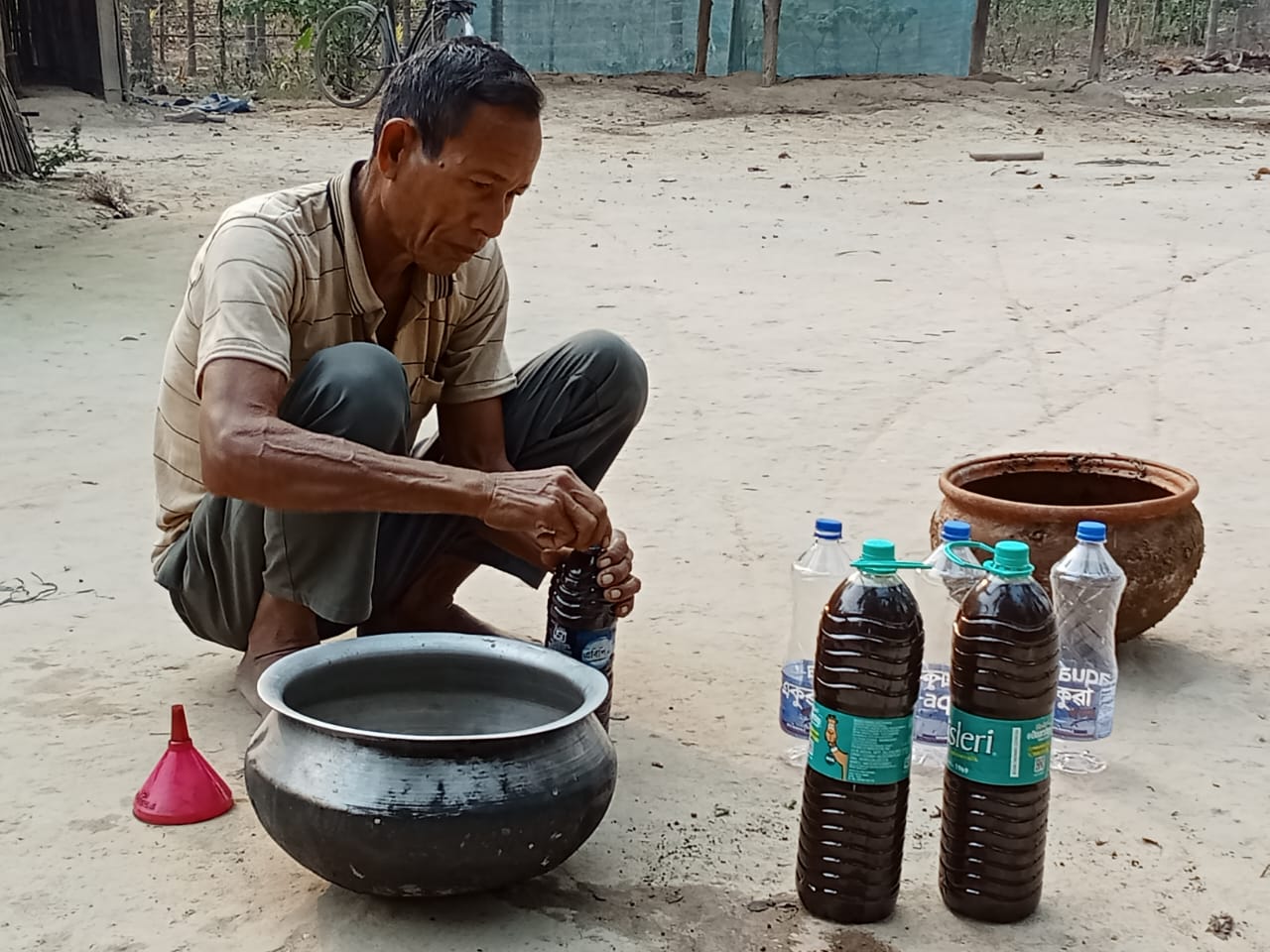
Apu Bordoloi, a 33-year-old farmer, expressed, “The organic revolution in Kekuragaon has not only saved our crops but also brought about a sense of pride and unity in our village. It’s gratifying to know that our efforts are not only benefiting us but also inspiring neighbouring villages.”
Today, the entire village actively participates in the collection and preservation of cow urine, symbolizing their commitment to sustainable agriculture. Kekuragaon, once grappling with the threat of chemical farming, now stands tall as a beacon of inspiration for villages seeking viable and eco-friendly alternatives to combat agricultural challenges.
Prabin Minz, Field Program Associate at GGSS, remarked, “The case study of Kekuragaon exemplifies the transformative power of community-led initiatives and the resilience of traditional farming practices in the face of modern challenges.”
Upcoming News
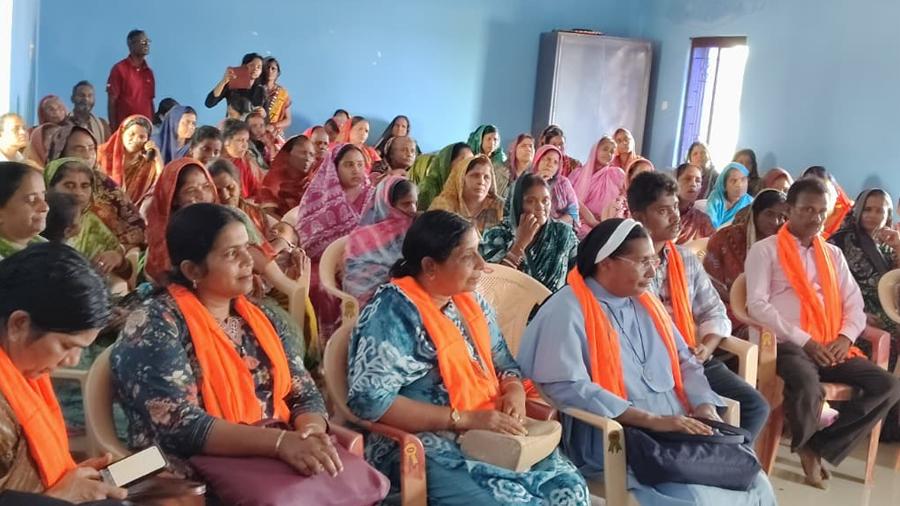
Kerala and Odisha Practitioners Come Together for Workshop on Humanitarian Aid and Disaster Risk Reduction
Disaster risk reduction practitioners from Kerala's Safe Within, Reconnect Wayanad and Vilangad Project travelled to...
LEARN MORE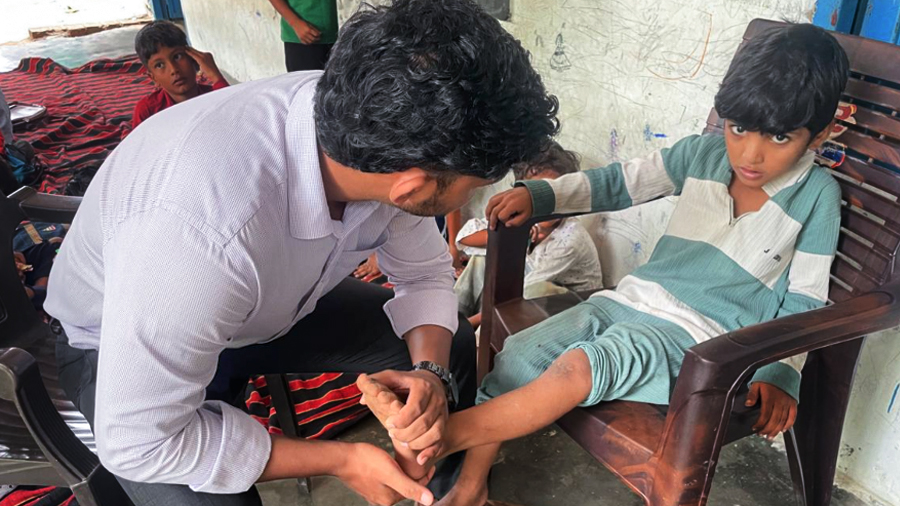
How Faiz Learned to Walk Again with Physiotherapy and Orthotic Support
There is a particular kind of heartbreak in watching your child want to play and...
LEARN MORE
Every Stitch Keeps a Dream Alive
On the day Shiropati paid her children’s school fees from the money she earned through...
LEARN MORE 91 -11 - 2336 3390
  director@caritasindia.org


