
 91 -11 - 2336 3390
  director@caritasindia.org
 Farmers in Mizoram practising paddy cultivation through improved Jhum technique
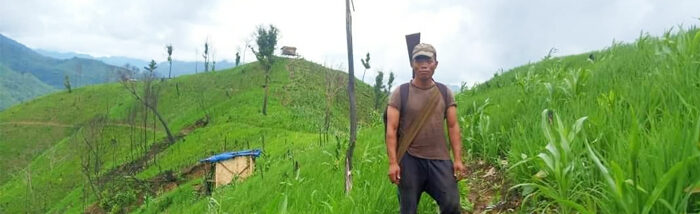
Shifting cultivation (jhum) has always been criticised for environmental degradation but the ethnic communities have not forsaken it. The practice is predominant in Northeast India, in states like Mizoram and it is an integral part of the socio-cultural life of Mizos.
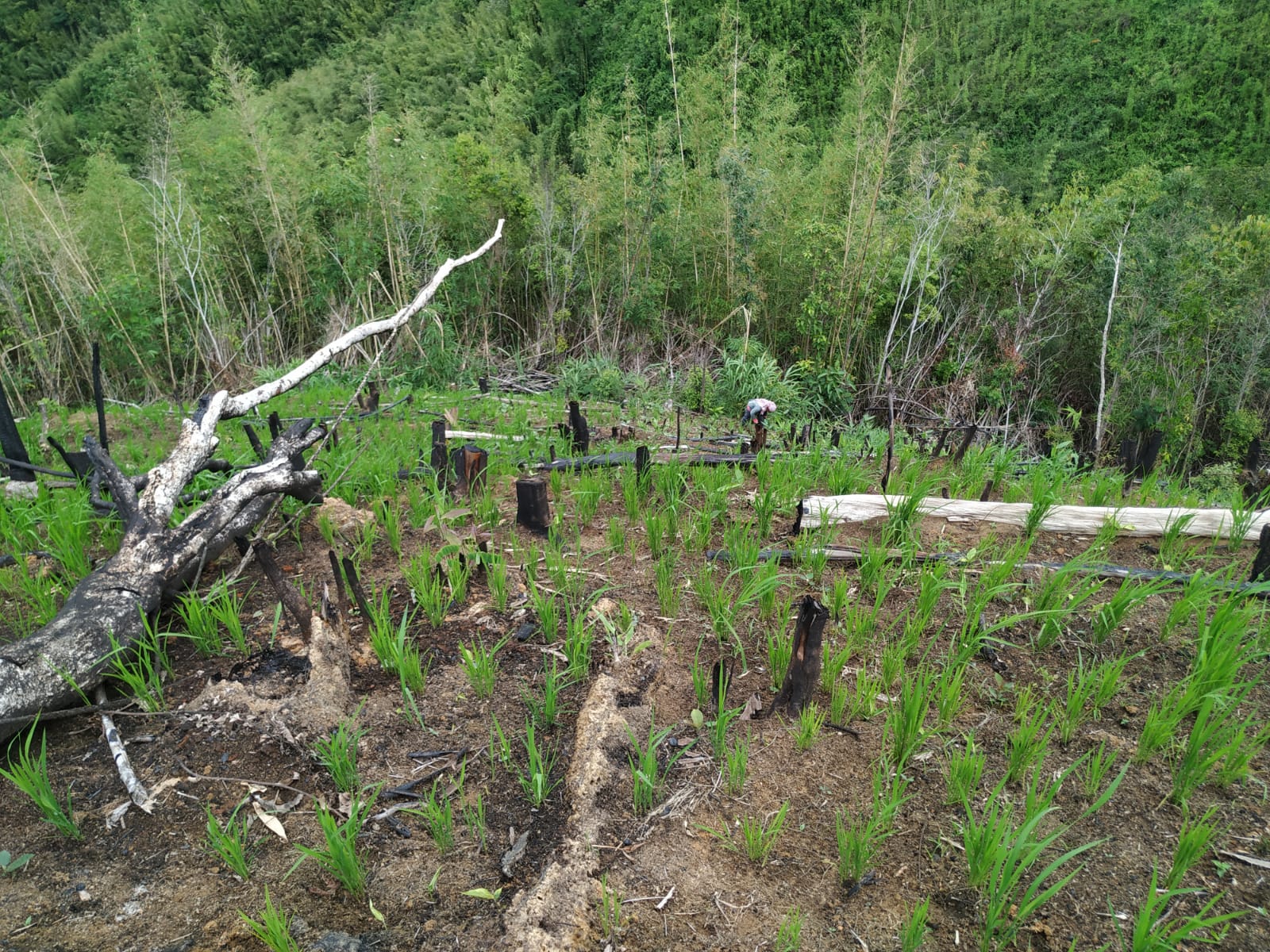
The practice consists of burning and clearing forest land for temporary cultivation and then abandoning it for a period to recuperate its fertility and revert to its natural state.
With the increase in population, the jhum cycle has shortened considerably and the productivity of land has fallen with devastating impact on climate change. However, people involved in this practice are unable to see a way out and it has become important for social and scientific communities to give them a respite and help them to grow their food.
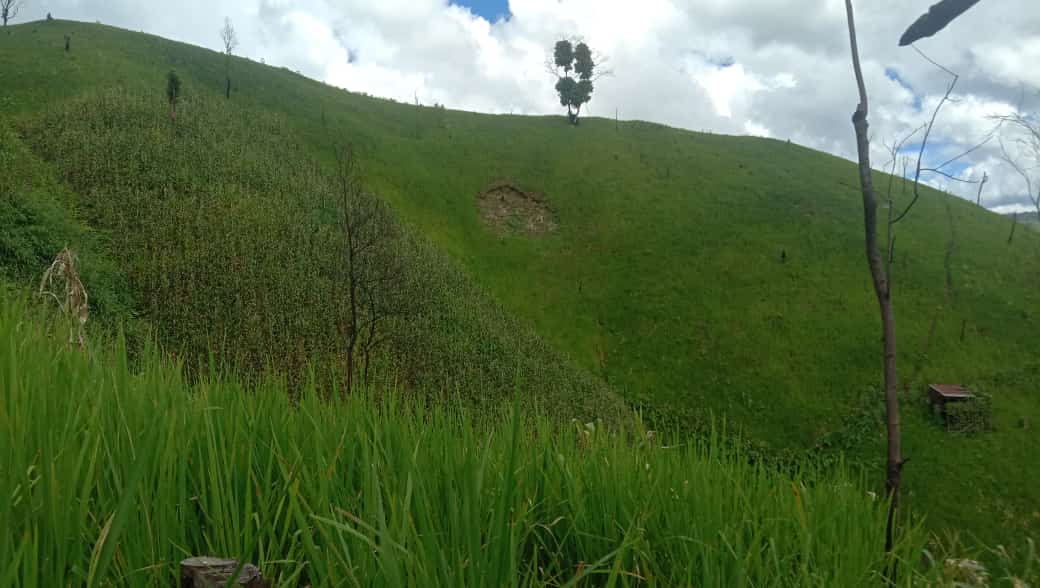
Lalhmachhuana, a resident at Chhingchhip ‘V’ Village in Aizawl district of Mizoram has been practising this age-old method of jhum for the past several years. In the absence of proper knowledge of improved seeds, seed treatment, chemical fertilizers, plant protection measures, and soil conservation measures, he was harvesting hardly 8 quintals of paddy annually which was barely meeting his family’s need.
Caritas India FARM Northeast-III project trained Lalhmachhuana and other farmers on paddy cultivation through the improved Jhum techniques. It involved log wood bunding across the slope at a distance of 5-7 metres and piling up weeds and other green biomass. This helped Lalhmachhuana to check the erosion of the topsoil and the decomposing weeds provided rich nutrients to the soil to enhance fertility. Through this technique, he learnt the importance of soil and water conservation which gave him a better harvest than before. Lalhmachhuana harvested 13 quintals of paddy along with other vegetables in the year 2021 from his 1.5 acres of land.
“I could have started this technique long before if I had known this technique before since a long time back,” he said.
Besides paddy, he also harvested different types of vegetables like pumpkin and cowpeas etc from his field. Lalhmachhuana uplifted his economic conditions to a great extent. Before this intervention, his annual income was around Rs 1,55,000 and now he earns almost Rs 2,00,000. Lalhmachhuana has plans to extend his agricultural land further to enhance his income. He became a source of inspiration for his fellow farmers of the area. They are aware of the importance of soil and water conservation in crop production. Owing to his results, other 5 farmers began to adopt the improved Jhum Technique on Slopes.
Upcoming News
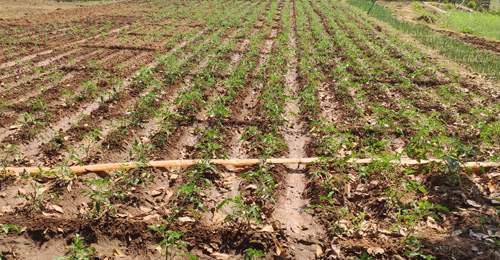
How Musangu’s Barren Slopes Became a Living Harvest
The dense forests of Ranchi’s Angara Block once cast long, somber shadows over the 382...
LEARN MORE
Four Madhya Pradesh Villages Lead Collective Action for World Water Day 2026
The morning of March 22nd at Kolua village didn’t start with policy speeches or ribbon-cutting....
LEARN MORE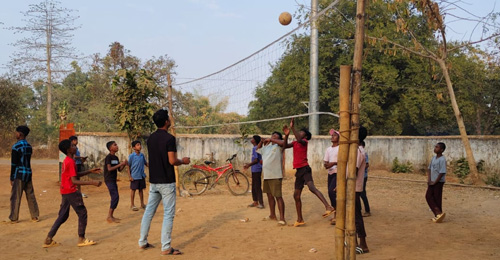
Now Our Playground is Full of Life
"Earlier, we had the desire to play, but we did not have the proper sports...
LEARN MORE 91 -11 - 2336 3390
  director@caritasindia.org


