
 91 -11 - 2336 3390
  director@caritasindia.org
 Fostering safe practises for healthy living among female sex workers: a report
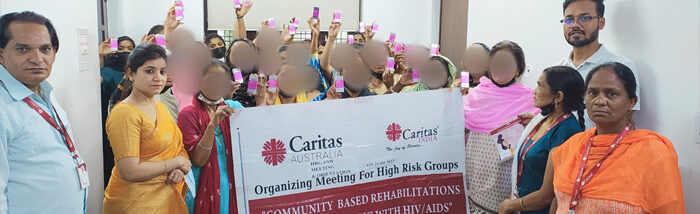
Under Gram Nirman’s urban component, 30 female sex workers from Delhi’s urban slums were oriented on safe sexual practices as well as the need for sanitation and good health. The training was imparted by a government hospital expert who also patiently addressed the participants’ queries regarding their profession and related risks. It is critical to note that female sex workers (FSWs) are classified as high-risk groups (HRGs) for HIV and related infections. FSWs’ health is jeopardised due to situations linked with the profession, such as multiple sexual partners, swapping groups, and others; FSWs have a greater prevalence of STIs and HIV than other women.
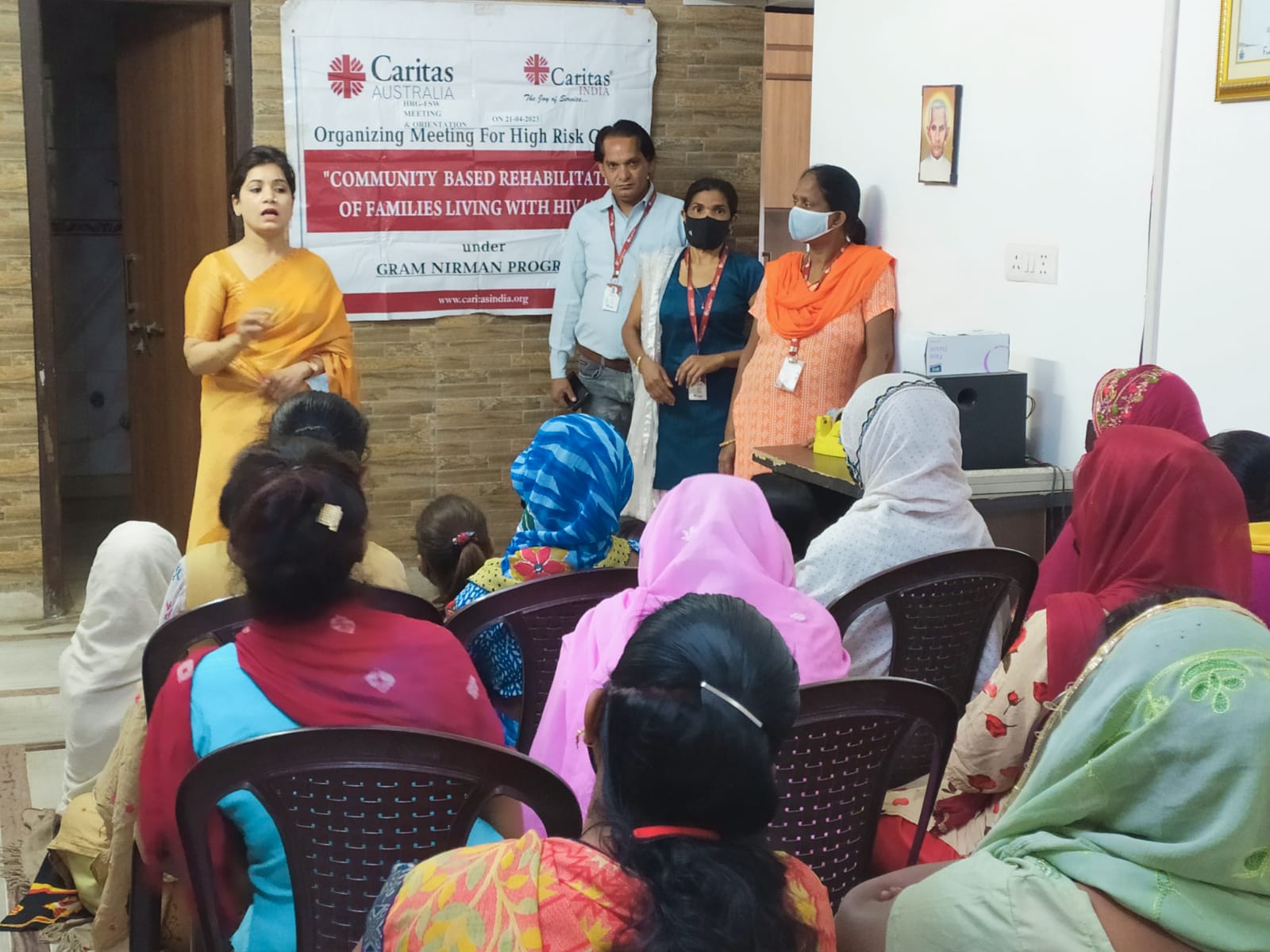
It is worth noting that with assistance from Caritas Australia, the Gram Nirman team of Caritas India is presently working with 1205 people living with HIV (PLHIV) who reside in the urban slums of East Delhi. The list includes 100 MSM, 52 children, 55 transgender people, 39 FSWs, 630 males, and 329 females.
A recent study reveals that the technological upheaval of the last couple of decades has now impacted the sex workers’ business too. The traditional forms (National AIDS Control Organisation (NACO) defined*) of solicitation practised by female sex workers (FSWs) are undergoing rapid change, and the role of mobile-based technology and social media platforms has now become a crucial element. Hence, existing intervention strategies must be changed or modified to address the changing dynamics of female sex work in India. This use of technology makes FSWs more independent and vulnerable at the same time, as it helps them hide their identity, thus making it difficult for the targeted intervention to reach them. The study also found that the populations of FSWs not linked to the targeted intervention programme have more inconsistent use of safety measures in various sexual activities and are equipped with inadequate knowledge about HIV and other safe sex practices compared to other FSWs who fall under the targeted intervention programme.
(Source – https://naco.gov.in/sites/default/files/Technical Brief on Changing trends in sex work.pdf)
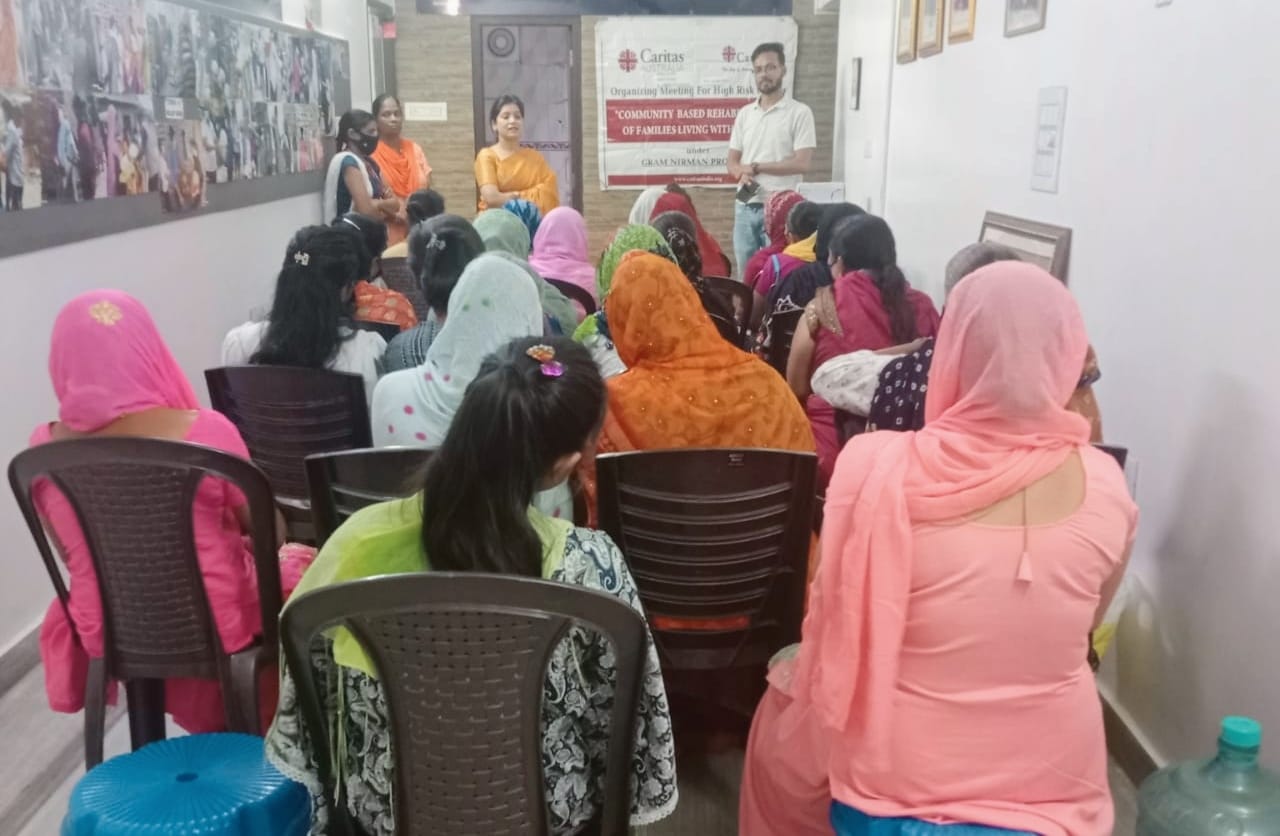
Given the vulnerability and increasing risk connected with the profession, the Gram Nirman team is working diligently in 18 East Delhi slum pockets to identify, track, and monitor female sex workers so that they can have access to healthcare services and lead better life.
Upcoming News
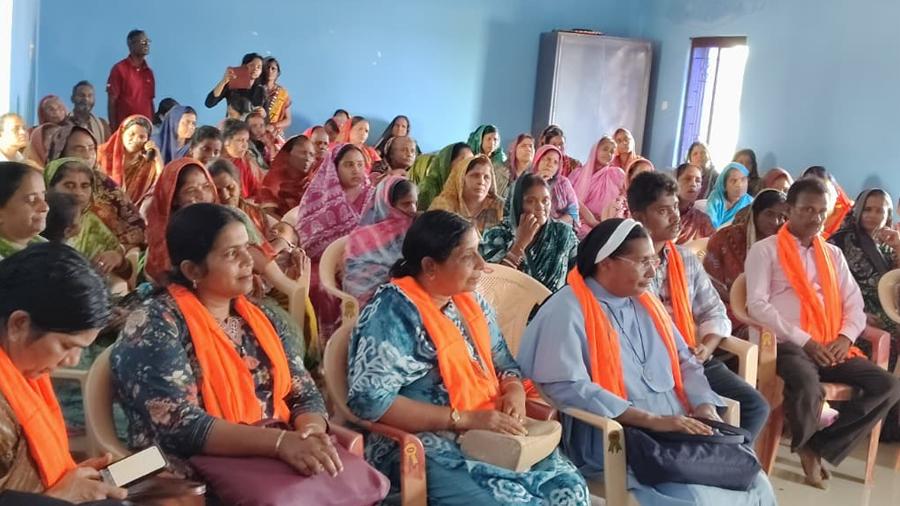
Kerala and Odisha Practitioners Come Together for Workshop on Humanitarian Aid and Disaster Risk Reduction
Disaster risk reduction practitioners from Kerala's Safe Within, Reconnect Wayanad and Vilangad Project travelled to...
LEARN MORE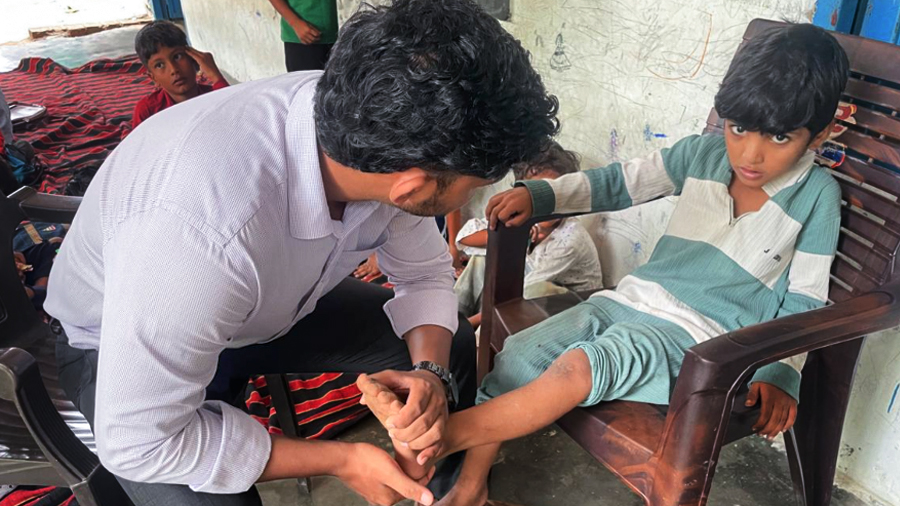
How Faiz Learned to Walk Again with Physiotherapy and Orthotic Support
There is a particular kind of heartbreak in watching your child want to play and...
LEARN MORE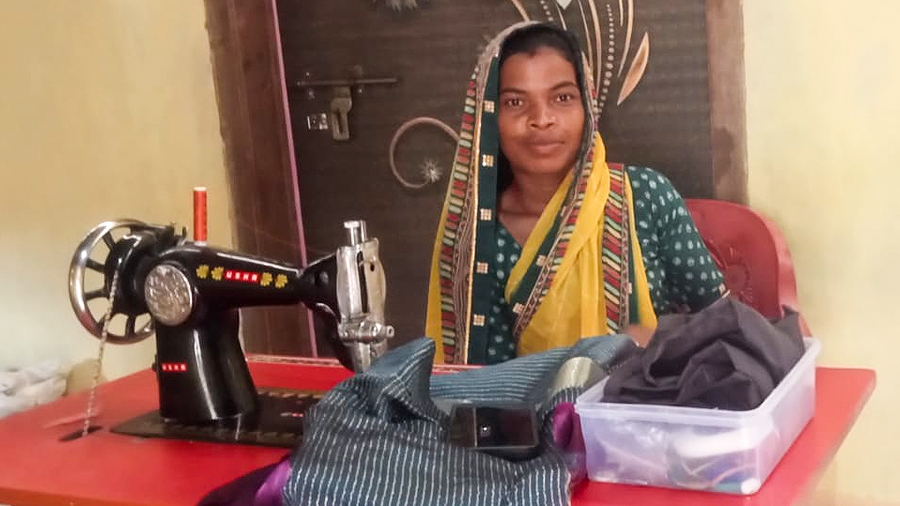
Every Stitch Keeps a Dream Alive
On the day Shiropati paid her children’s school fees from the money she earned through...
LEARN MORE 91 -11 - 2336 3390
  director@caritasindia.org


