
 91 -11 - 2336 3390
  director@caritasindia.org
 How a Small Shop Changed Everything: A PwD Journey to Self-Reliance
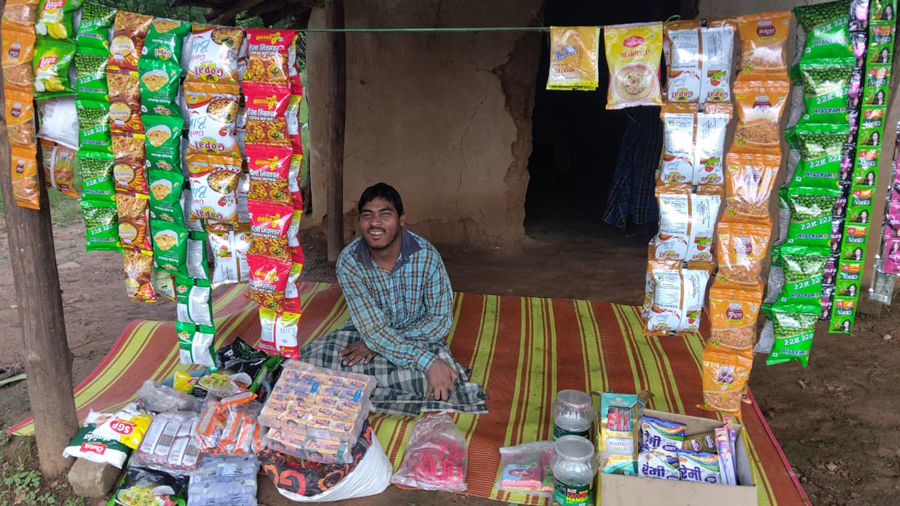
There was a time when Pramod Minj, 31, would sit by the roadside in his village of Aamapali, in Chhattisgarh’s Raigarh district, and simply watch the world go to work without him.
He had never been to school. His family owned no land, and lived on whatever irregular income they could piece together. His physical disability meant that even the small acts of daily life often depended on his parents. Independence, the ordinary kind that most people never have to think about, felt to Pramod like something meant for other people.
“I wanted to support my parents and contribute to the household, but I did not have the skills, opportunities or resources to do so,” he recalls. “Many days, I would sit by the roadside watching people go about their work, wondering if I would ever have the chance to do something meaningful with my life.”
Then the Khushaal Bachpan Programme arrived in his village. Staff sat with him and listened, and did something he says no one had quite done before: they asked what he was capable of, not what was wrong with him.
“They encouraged me not to lose hope. For the first time, I felt that someone recognised my abilities and potential rather than seeing only my disability,” he says.
Soon after, Pramod attended a health camp organised for persons with disabilities. A doctor examined him and recommended surgery — an operation that could genuinely change how he moved through the world. But the family that could not afford school fees could not afford surgery either. And before they could even begin to find a way, both of Pramod’s parents fell seriously ill, and every rupee, every hour, turned toward caring for them.
The surgery would have to wait. But something else had already begun to shift. The programme helped Pramod get an Ayushman Card, a small piece of paper that meant, for the first time, healthcare was not entirely out of reach. It also helped him hold onto his resolve to stand on his own.
That resolve took shape in a modest petty shop, set up under the programme’s Income Generation Activity. It was a small shop in a small village, nothing more. But for a man who had spent years watching from the roadside, it meant everything.
Today, Pramod runs that shop himself. It earns him ₹5,000 to ₹6,000 a month — enough to help cover his family’s daily needs, enough to lift some of the weight off his parents, enough to no longer feel like a burden.
“Earning my own income has given me greater confidence, self-respect and a renewed sense of purpose,” he says. “Today, I am proud that I can earn my own livelihood and contribute to my family’s needs.”
The shop changed more than his bank balance. It changed how his village sees him.
“Instead of seeing me only as a person with a disability who needs support, they now recognise me as someone who is capable, independent and able to contribute meaningfully,” he says.
He has started speaking up, too — sharing his story at community interactions on disability inclusion, a little more confident each time. The man who once sat silently by the roadside now stands in front of others and tells them what is possible.
Pramod is not finished. He wants to grow the shop, earn more, become fully independent. And he still hopes, when circumstances allow, to have the surgery the doctor once recommended — not for himself alone, but because better mobility would let him run his business, and his life, with fewer limits.
His hope stretches further still. He wants other persons with disabilities in his community to get the same chance he did, whether through livelihoods, vocational skills, assistive devices, rehabilitation services, or access to government schemes.
“I want to demonstrate that disability should never be seen as a barrier to living a meaningful and productive life,” he says. “With the right guidance, encouragement and opportunities, persons with disabilities can overcome many barriers and become respected, productive and valued members of society.”
The journey from dependence to self-reliance was not sudden, and it is not finished. His health condition still limits him. The obstacles have not vanished. But the small shop he built with his own hands gave him something he once believed was out of reach: the plain, hard-won knowledge that he can earn, that he can contribute, and that his future is still his to shape.
“The project did not see me as a burden because of my disability,” Pramod says. “It recognised my abilities, encouraged me to believe in my potential and gave me the opportunity to become self-reliant.”
Upcoming News
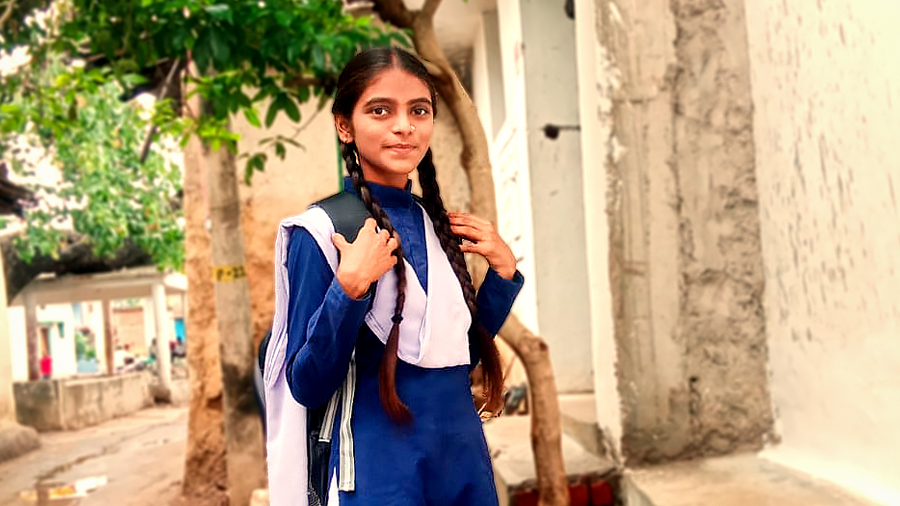
A Second Chance: How Poonam Reclaimed Her Dream of Education
For nearly a year, a small bench outside her house was the closest Poonam Verma...
LEARN MORE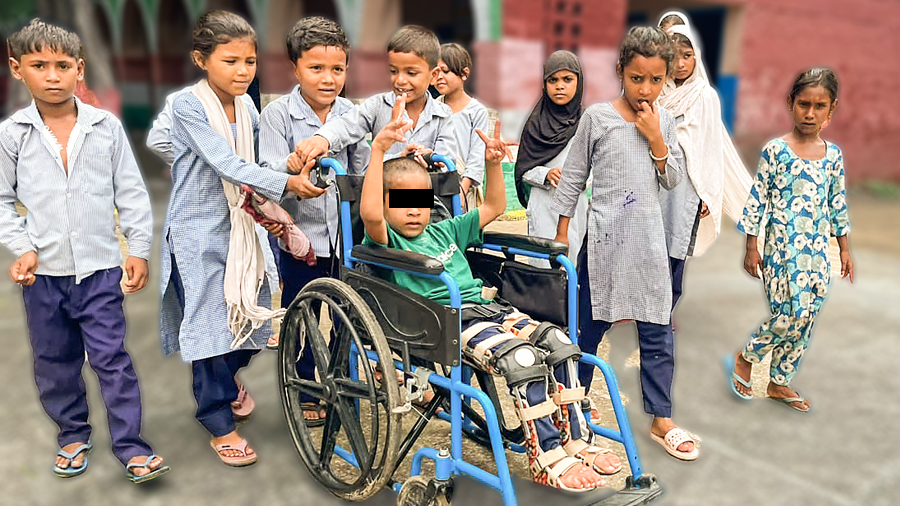
Count Me In
In Mahrola, a village in Nuh, Haryana, eight-year-old Sufiyan wanted nothing more than what every...
LEARN MORE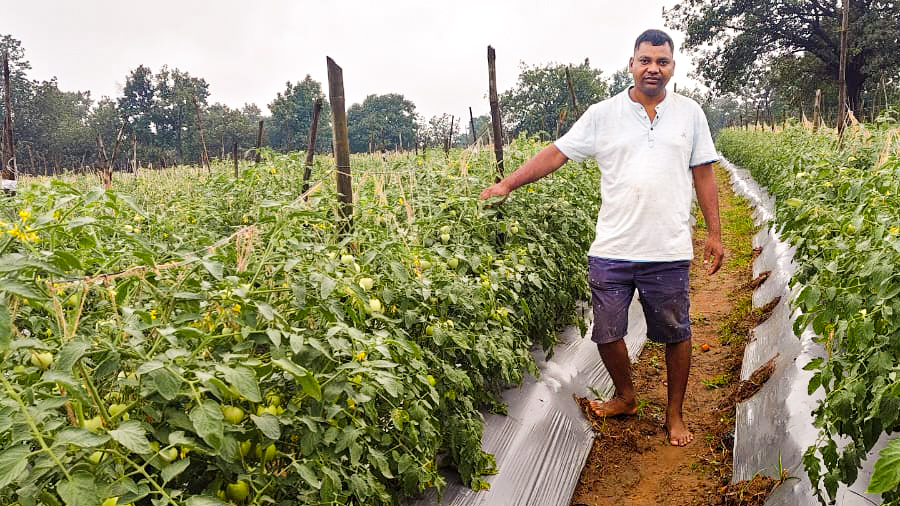
Chhattisgarh Farmer’s Income Multiplies Through Climate-Resilient Farming
Chhattisgarh is called the "Rice Bowl" of India for good reason: its fertile soil and...
LEARN MORE 91 -11 - 2336 3390
  director@caritasindia.org


