
 91 -11 - 2336 3390
  director@caritasindia.org
 How a small village built its own lifeline against floods
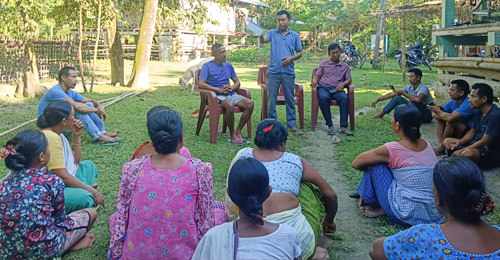
On the shifting banks of the Brahmaputra in Dhemaji district lies Bholukaguri, a village where the river shapes everyday life. For nearly half the year, floods and riverbank erosion cut the village off from nearby areas, submerged roads, and damaged homes. About 60 vulnerable families live with this uncertainty year after year.
For a long time, disasters followed the same pattern. When the water levels rose, the community had little choice but to wait for outside relief. Help often took time to arrive, and the delay deepened the hardship for many families.
With support from the SARAL project, the village has built its own system of preparedness and emergency response. At the centre of this effort is the Disaster Risk Reduction Committee, a structured community body that evolved from a task force first formed in 2018 under a project supported by Caritas India.
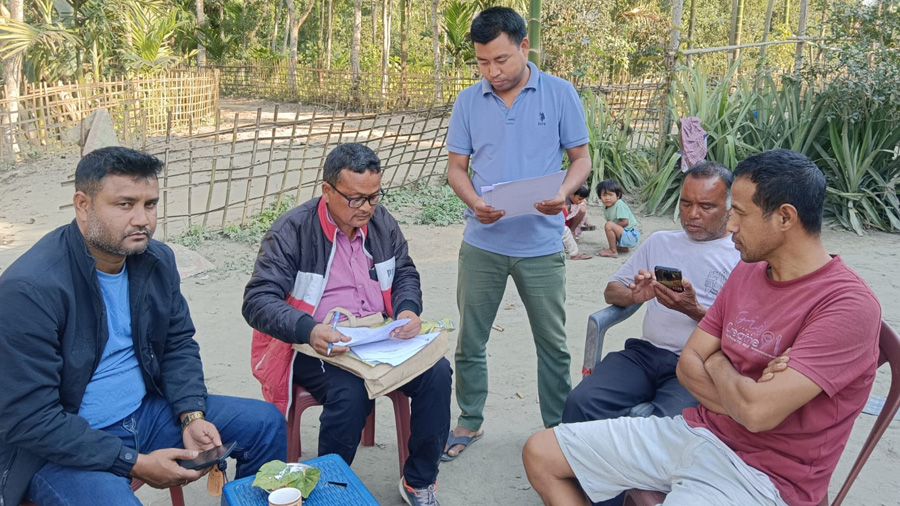
The committee now functions as the village’s organised disaster response mechanism. It operates through six specialised task groups covering early warning, search and rescue, first aid, shelter and WASH management, relief and rehabilitation, and wetland protection. Members receive practical training and maintain links with service providers so the village can respond quickly when floods strike.
During community consultations, the committee identified another urgent challenge. Even with better preparedness, families had no immediate financial support when disasters occurred.
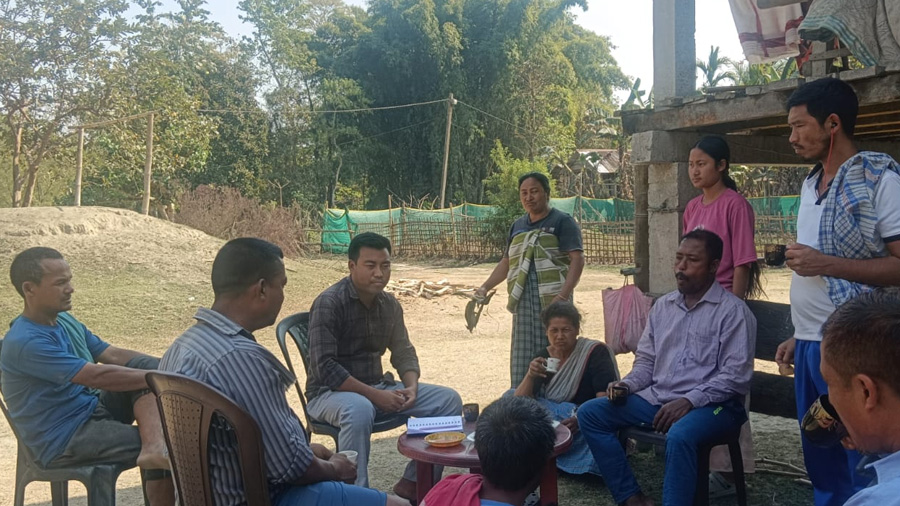
The Disaster Risk Reduction Committee created a Community Contingency Fund, managed through a dedicated bank account to ensure transparency and accountability. Each member contributes twenty rupees every month. The fund also grows through collective farming initiatives and local cultural programmes.
The contributions are small, but the impact is significant. The fund now allows the village to support affected families immediately and bridge the critical gap before external assistance arrives.
“Earlier, whenever floods damaged our homes or roads, we had to wait for outside help, which often took time,” said a committee member. “Now, through our contingency fund, we can support affected families immediately. Even a small contribution from each member has given our village the strength to stand together during difficult times.”
The initiative has also strengthened unity within the community. The committee works closely with the Panchayat and local administration so that village concerns are reflected in development planning. Members are also helping families connect with government schemes and services.
Floods will continue to shape life along the Brahmaputra. But in Bholukaguri the response no longer begins with waiting. The village has built the confidence and systems to act on its own and protect its people when the river rises.
Upcoming News

Archbishop Dr. Linus Neli Takes the Helm at Caritas India
A new chapter of compassion has begun. Archbishop Dr. Linus Neli officially took charge as...
LEARN MORE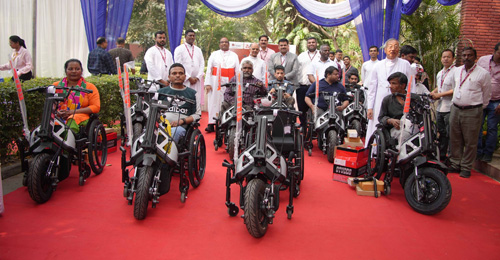
Wheels of Freedom: Caritas Transforms Lives through Chetana Campaign
For Govinda, a 21-year-old student living in a small slum near Delhi’s Mansarovar Park, the...
LEARN MORE
Caritas personnel certified on safeguarding, to lead nationwide partner trainings
Caritas India personnel have been certified on safeguarding by the Karl Kübel Foundation, with support...
LEARN MORE 91 -11 - 2336 3390
  director@caritasindia.org


