
 91 -11 - 2336 3390
  director@caritasindia.org
 ICMOD and Caritas India join to shape strategic flood resilience plan for Bihar
Every monsoon, rivers flowing down from Nepal push north Bihar into crisis mode. Embankments strain, villages submerge, warnings travel unevenly, and recovery drags on.
Now a regional climate institution and a national humanitarian agency are working to change that equation.
From 1 to 6 February 2026, the International Centre for Integrated Mountain Development (ICMOD) and Caritas India carried out a joint consultation and scoping mission in Bihar under the Glaciers to Ocean (G2O) initiative. The visit aimed to lay the foundation for a strategic, gender responsive flood vulnerability assessment focused on riverine communities in Sitamarhi district.
The initiative seeks to move beyond seasonal response and towards long term resilience planning by mapping exposure patterns, assessing adaptive capacities and evaluating how early warnings reach communities at risk.
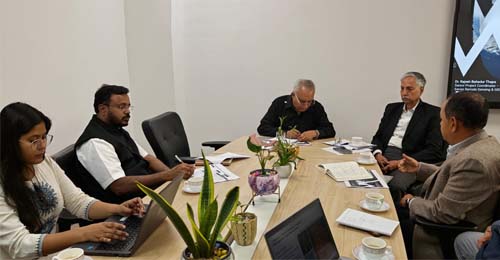
The delegation began in Patna with internal consultations led by Fr Benny Edayath, Assistant Executive Director of Caritas India, alongside programme team members Ms Monisha Majumdar, Mr Navneet Yadav and Mr Abhishek Kumar. Discussions centred on aligning objectives, finalising field sites and refining the assessment methodology.
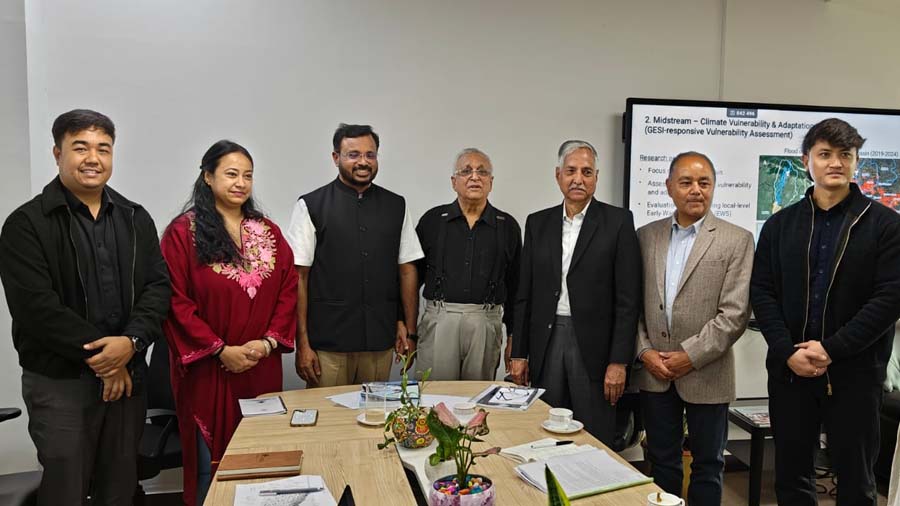
At the Bihar State Disaster Management Authority, Senior Officials including Vice Chancellor Shri Uday Kant Mishra and Member Shri P N Rai welcomed the collaboration and stressed the urgency of strengthening flood resilience systems in the state. They recommended that future phases also consider the Koshi basin, one of Bihar’s most flood prone regions, and called for structured technical reporting to enable policy integration.
A detailed session with Mr Anand Vijeta and BSDMA’s programme team examined existing community based early warning systems along the Ratu River. The discussions focused on bridging the gap between state level alerts and last mile communication in vulnerable villages.
The delegation also visited the Bihar Mausam Kendra, where Dr Prabhu and technical staff demonstrated real time weather monitoring systems and mobile based dissemination tools. The interaction explored possibilities for stronger coordination between scientific forecasting agencies and local governance structures.
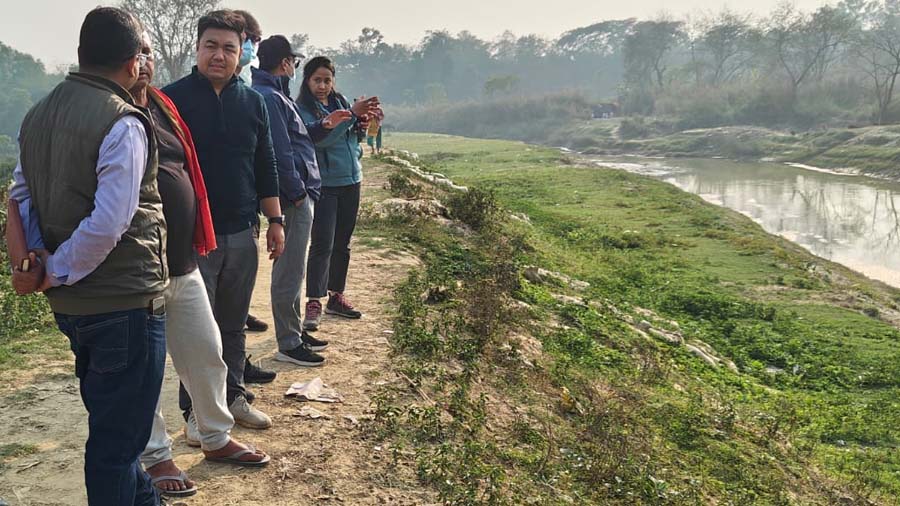
The field phase of the visit took the team to Sitamarhi district, where they met the additional district magistrate to review the district’s flood management framework. The ADM highlighted the impact of transboundary river flows from Nepal, particularly during peak monsoon months, and outlined the administrative chain for emergency response and warning dissemination.
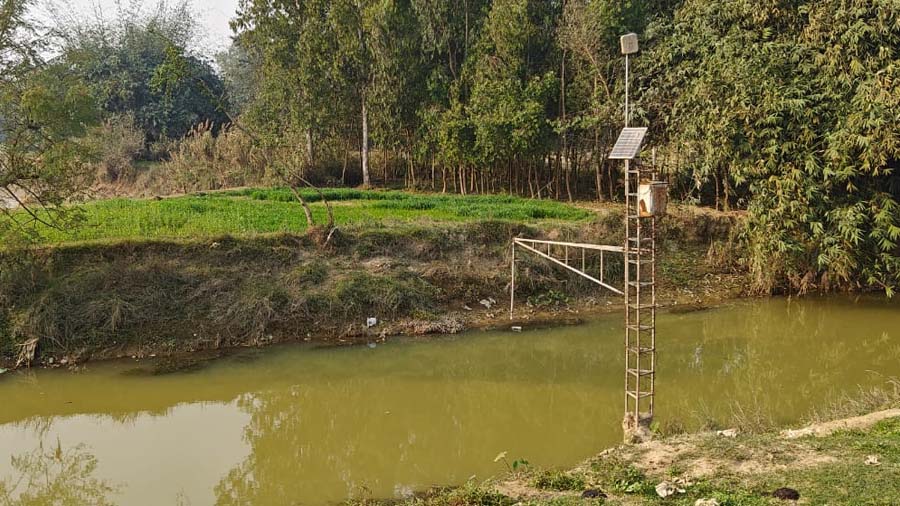
In Sursand block, the delegation conducted field visits to Biththa and Srikakandi villages along the Ratu river. Through focus group discussions and household interviews, residents described seasonal flood behaviour, evacuation practices and their experiences with official warning systems.
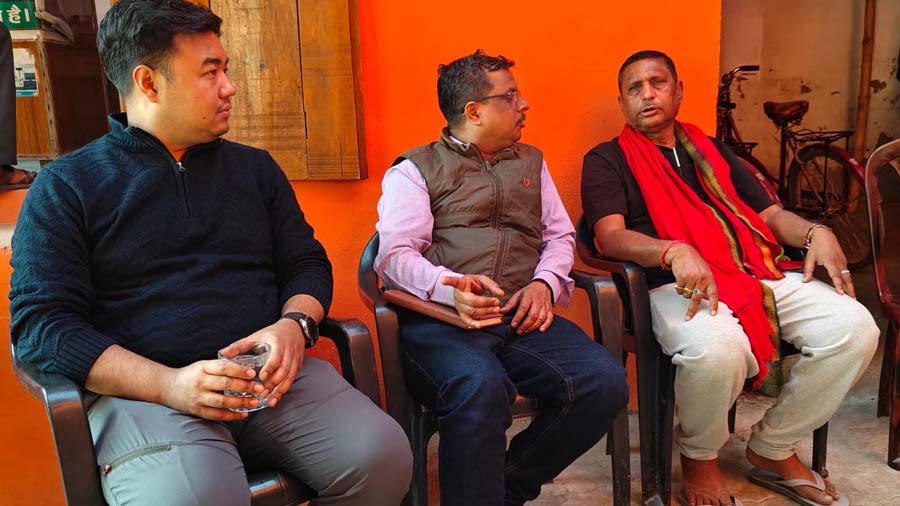
Community members reported high awareness of flood risks but pointed to inconsistencies in the timeliness and reach of alerts. Women participants highlighted specific challenges related to displacement and access to information. Panchayat representatives detailed their role in coordinating evacuation and relief, while acknowledging logistical and resource constraints.
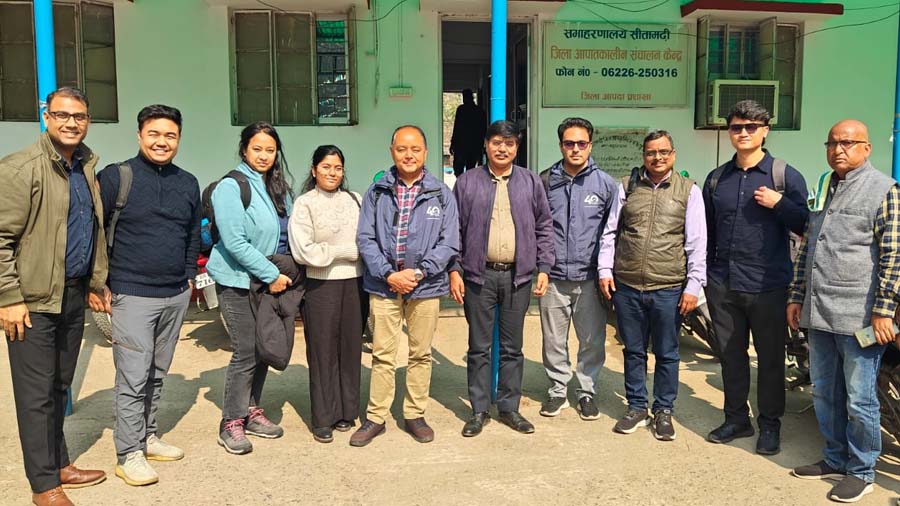
The visit also served to pilot a gender equality and social inclusion responsive vulnerability assessment tool. Preliminary findings indicate active local coping strategies but reveal gaps in inclusive planning and institutional coordination.
An exit meeting concluded the mission, with both organisations agreeing to refine the assessment framework, strengthen coordination with state agencies and identify pilot communities for further engagement.
For Bihar, where rivers do not respect administrative boundaries, the collaboration marks a step toward a more structured and evidence driven flood resilience strategy. The next monsoon will test the systems now being mapped and strengthened.
Upcoming News
Comprehensive school safety training building disaster ready schools in Odisha
Cyclones do not wait for school hours to end. Floodwaters do not check timetables. In...
LEARN MORE
Migrant domestic worker freed in Delhi after months of exploitation
Caritas India has secured the release and safe return of a young domestic worker from...
LEARN MORE
How Gond women turned a common water body into food security and collective prosperity
It might not seem obvious why a small, muddy village pond could matter in a...
LEARN MORE 91 -11 - 2336 3390
  director@caritasindia.org


