
 91 -11 - 2336 3390
  director@caritasindia.org
 Inspiration to adopt Organic Farming
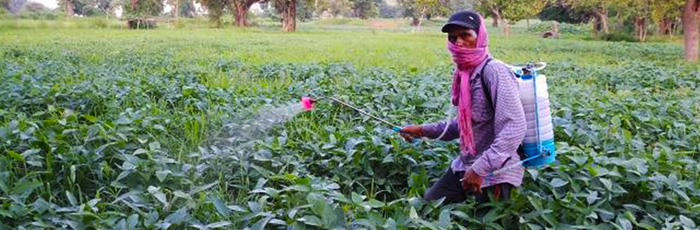
Kamla Kushwaha hails from Harpura village under Chhatarpur district of Madhya Pradesh where livelihood mainly depends on farming.
In Harpura village, Kamal had witnessed the constant dry spell of 15-20 years which not only created water crisis for farming but also sustenance. He relied on farming pulses, soyabean and vegetables to support his family.
He used to collect three quintals of fruits from one acre of land but each crop cost him either more or equal in terms of expenses incurred.
“I used to cultivate pulses and soybean but nothing was there as profit either it ended in loss or as equal to the expenses incurred for cultivation”, says Mr. Kamla Kushwaha.
Like many farmers he used to practice chemical farming by using fertilizers and pesticides and over the years the input cost on land increased and the harvest started declining.
Under Water and Agriculture Resilience Mission (WARM) program, the community was oriented on the benefits of organic/ tradition cultivation. Then the entire community (farmers) decided that they will experiment with organic farming and if it is found profitable, they will eventually change their mode of cultivation into organic farming.
Kamal was selected among few farmers to receive training from Caritas India CESSS on awareness and preparation of some bio manure and pest repellents like Vermi Compost, Vermi Wash, Bijaamrut, Jeevaamrut, Bijprakriya, Fish Tonic, Tashparni, Lamit, Ark etc.
“After that I thought of preparing the same at my house and prepared it and during the season the bio manure was applied and the organic repellents was sprayed in the farm land”, says Kamla.
After applying the organic fertilizer like Amrit Pani, and organic pesticides like Dasparni and Lamit Ark, it is observed that the rate of fall of flowers which are to bear fruits has come down drastically.
Due to the use of organic bio manure and pest repellents not only the input cost has come down but also size of soybean fruits increased to 30%-40%.
The results were so astonishing that farmers from villages of Ahinnanpura and Jhinnanpura visited Kamal’s agriculture field to witness the difference.
Upcoming News
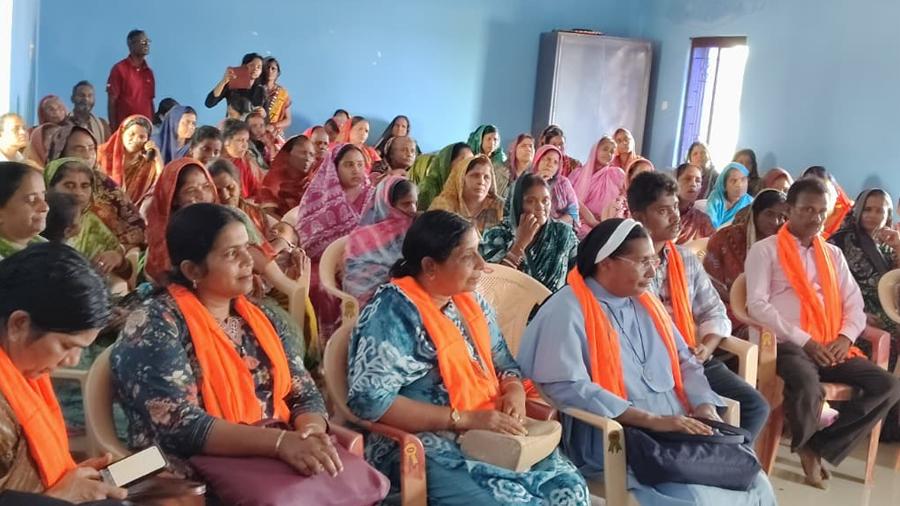
Kerala and Odisha Practitioners Come Together for Workshop on Humanitarian Aid and Disaster Risk Reduction
Disaster risk reduction practitioners from Kerala's Safe Within, Reconnect Wayanad and Vilangad Project travelled to...
LEARN MORE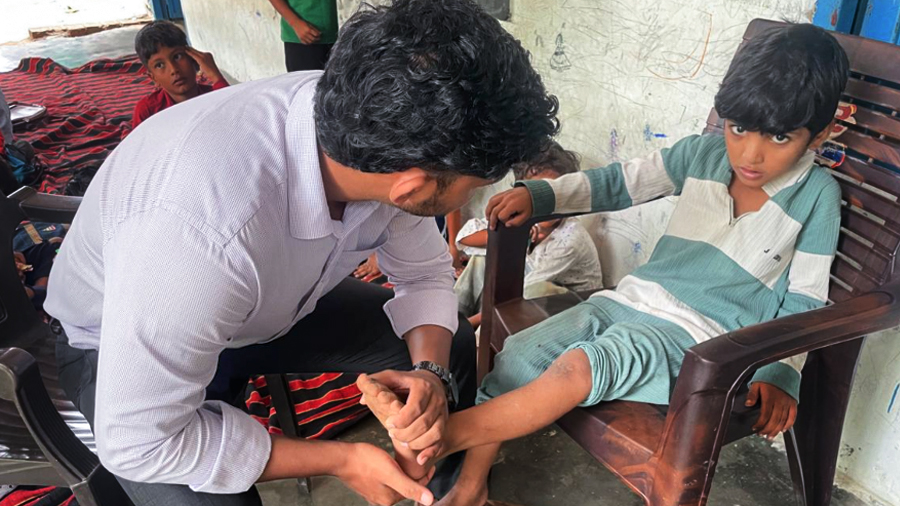
How Faiz Learned to Walk Again with Physiotherapy and Orthotic Support
There is a particular kind of heartbreak in watching your child want to play and...
LEARN MORE
Every Stitch Keeps a Dream Alive
On the day Shiropati paid her children’s school fees from the money she earned through...
LEARN MORE 91 -11 - 2336 3390
  director@caritasindia.org


