
 91 -11 - 2336 3390
  director@caritasindia.org
 Migrant domestic worker freed in Delhi after months of exploitation
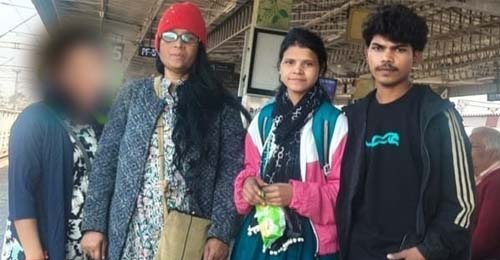
Caritas India has secured the release and safe return of a young domestic worker from West Bengal who had been trapped in exploitative conditions in Delhi, in the latest case highlighting the vulnerability of migrant labourers in India’s informal economy.
Tanuja (Name Changed), 24, from Alipurduar district, West Bengal had travelled to the National Capital in May 2024 through a placement agent, hoping to earn enough to support her family. Instead, she found herself moving between three households over nearly two years, facing underpayment, excessive workloads and repeated discrimination.
Her wages were frequently withheld or routed through the agent. Requests to visit her ailing mother were refused. Employers and the agent cited contractual obligations. Her rights and wellbeing were secondary.
On 1 February 2026, Caritas India received an urgent call for help from a local NGO in Alipurduar. Within days, the Caritas India Pravasi Bandhu project team contacted Tanuja and visited her employer’s residence in Sunder Vihar, Delhi.
After prolonged negotiations on 3 February, her release was secured. Pending wages amounting to ₹21,000 were deposited into her bank account after deductions, and arrangements were made for her return home. On 8 February, she was reunited with her family at Anand Vihar railway station.
Her case is not isolated. Across India, thousands of young women migrate from rural districts to cities each year through informal agents. Many face unfair contracts, wage theft and restrictions on their movement. The absence of enforceable protections often leaves them dependent on the very networks that exploit them.
The intervention was carried out under the Pravasi Bandhu project, supported by Misereor, which works to support migrants at both source and destination states. The initiative focuses on improving the living conditions of migrant workers and smallholder farmers through safer livelihood options and regulated migration channels.
One of its core objectives is to increase the safety and security of potential migrant workers by promoting informed and safe migration practices. Another is to strengthen access to social protection and social security benefits through migrant-friendly policies and systems.
Campaigners working with migrant communities say that without structured support at both ends of the migration cycle, workers remain exposed to abuse. Placement agents often operate with limited oversight. Contracts are rarely transparent. Legal recourse is complicated and slow.
Caritas India’s project combines field intervention, legal negotiation and coordination with local partners such as Nirmana Delhi to address such cases. It also works to tackle the structural causes of migration distress by promoting sustainable livelihoods at the source.
For Tanuja, the outcome was immediate and personal. She returned home with her wages and her dignity intact.
Upcoming News
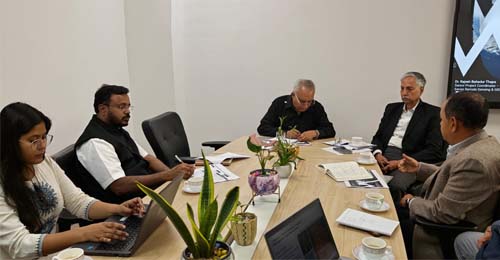
ICMOD and Caritas India join to shape strategic flood resilience plan for Bihar
Every monsoon, rivers flowing down from Nepal push north Bihar into crisis mode. Embankments strain,...
LEARN MORE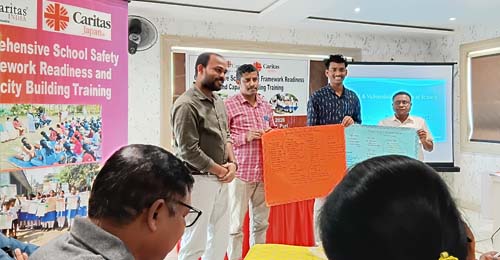
Comprehensive school safety training building disaster ready schools in Odisha
Cyclones do not wait for school hours to end. Floodwaters do not check timetables. In...
LEARN MORE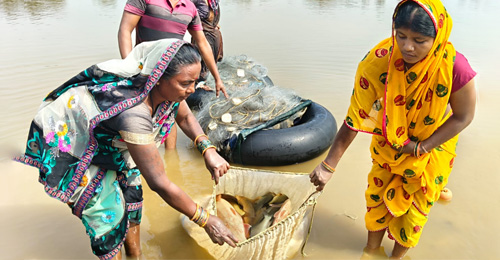
How Gond women turned a common water body into food security and collective prosperity
It might not seem obvious why a small, muddy village pond could matter in a...
LEARN MORE 91 -11 - 2336 3390
  director@caritasindia.org


