
 91 -11 - 2336 3390
  director@caritasindia.org
 Portable Solar Irrigation System revolutionizing smallholder farmers future
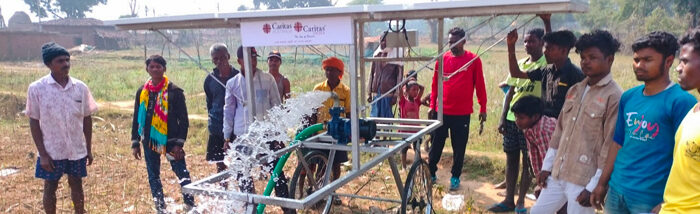
In a transformative step towards sustainable agriculture, the Gram Nirman program, of Caritas India, is revolutionizing the future of smallholder farmers through the introduction of portable solar irrigation systems. This innovative approach addresses the longstanding challenge of irrigation faced by farmers like Vinod Munda from Angara block, who once struggled with the high costs of renting diesel water pumps.
The Gram Nirman program, a direct implementation project of Caritas India, adopts a people-led development approach to enhance the livelihoods of communities for a dignified life. Focused on Jharkhand and Chhattisgarh, the program covers 165 tribal villages across four clusters, aiming to improve access to social security schemes and boost family incomes through farm, off-farm, and non-farm livelihood initiatives.
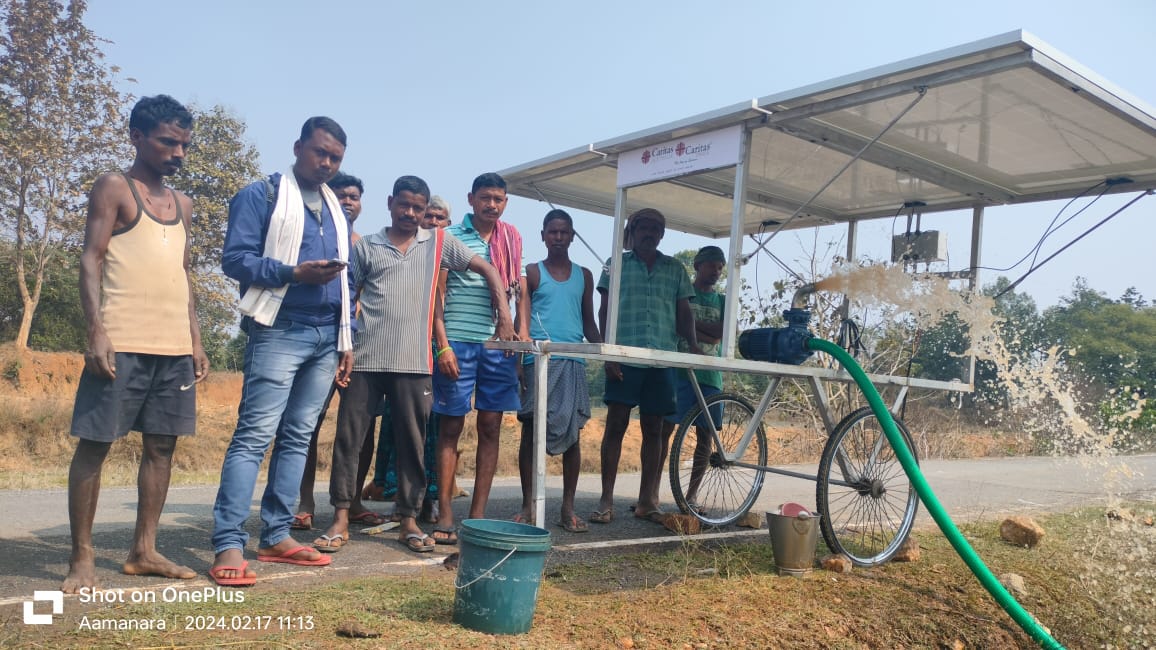
In response to the pressing issues of limited cultivable land, net irrigated areas, and seasonal constraints in both Jharkhand and Chhattisgarh, the Gram Nirman II project, supported by Caritas Australia, introduces a solar-based movable irrigation system. This initiative targets vulnerable farmers, including those with non-irrigated land, dependency on rain, and a desire to diversify crops. The program has handed over 22 solar energy-based portable irrigation systems to 22 groups in respective villages of Jharkhand and Chhattisgarh. The demonstration of system handling, management and usage was given to the farmers by the experts for their livelihood enhancements.
Advantages of the Solar-Based Movable Irrigation System:
- Flexibility and Portability: The movable irrigation system allows farmers to adapt to changing crop patterns, water availability, and land use, ensuring efficient water distribution and minimizing wastage.
- Efficiency: With the ability to irrigate a minimum of 3 acres in a single day, the solar-based system enhances agricultural productivity.
- Cost-Effectiveness and Accessibility: Harnessing energy from the sun eliminates the need for grid electricity or fuel for generators, making it particularly accessible and cost-effective for farmers in remote or off-grid areas.
- Environmental Friendliness: By reducing carbon emissions and noise pollution, the solar irrigation system aligns with global efforts to combat climate change and promotes sustainable farming practices.
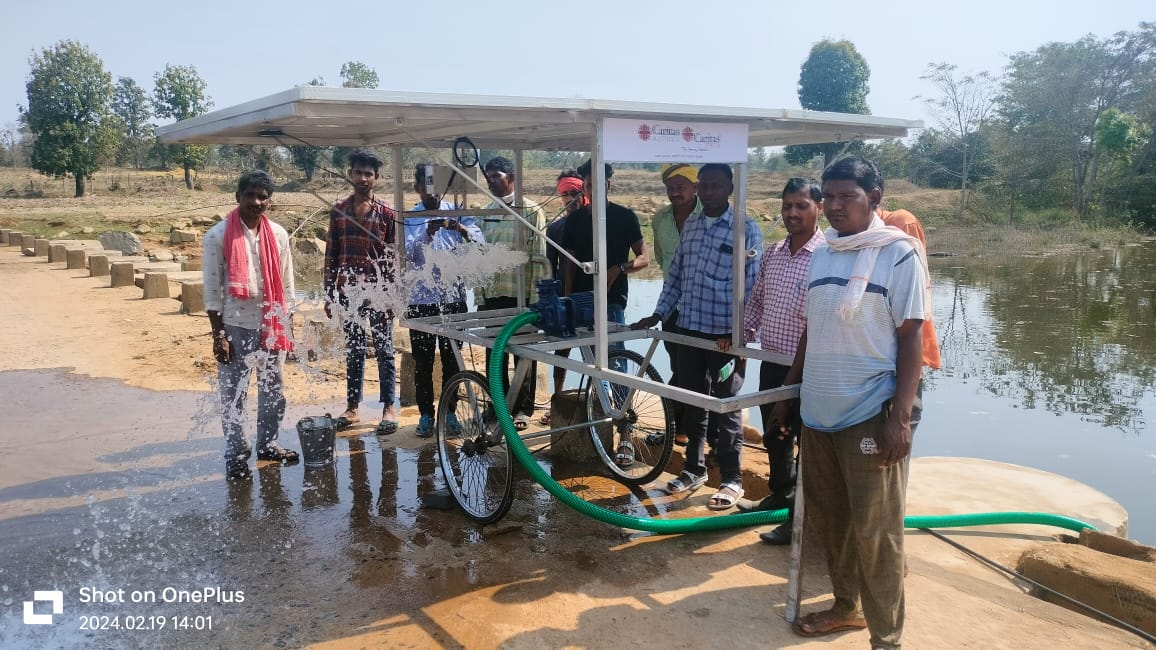
The Gram Nirman program emphasizes community engagement and ownership. The solar-based movable irrigation system is collectively owned by farmer groups, with members depositing a nominal fee for maintenance. In case of any malfunction, Caritas India is promptly informed, and authorized service providers are contacted for repairs. Monthly meetings, attended by Community Educators of the Gram Nirman Program, ensure proper guidance and progress review.
Anticipated outcomes include increased cultivable land, diversified crops, higher income, reduced migration, and revived millet cultivation, contributing to enhanced food sufficiency and better environmental practices. The results from the community are overwhelming, almost 1500 farmers have reinitiated and revived Millet cultivation in the first year. The farmers expressed gratitude for the economic enhancement, reduced dependency on diesel-based pumps, and the numerous benefits the solar irrigation system brings to their households and the environment.
Gram Nirman program, through the solar-based portable irrigation systems, exemplifies Caritas India’s commitment to sustainable agriculture, economic empowerment, and community development. This innovative model not only addresses the immediate challenges faced by smallholder farmers but also sets the stage for a more resilient and environmentally conscious agricultural future.
Upcoming News
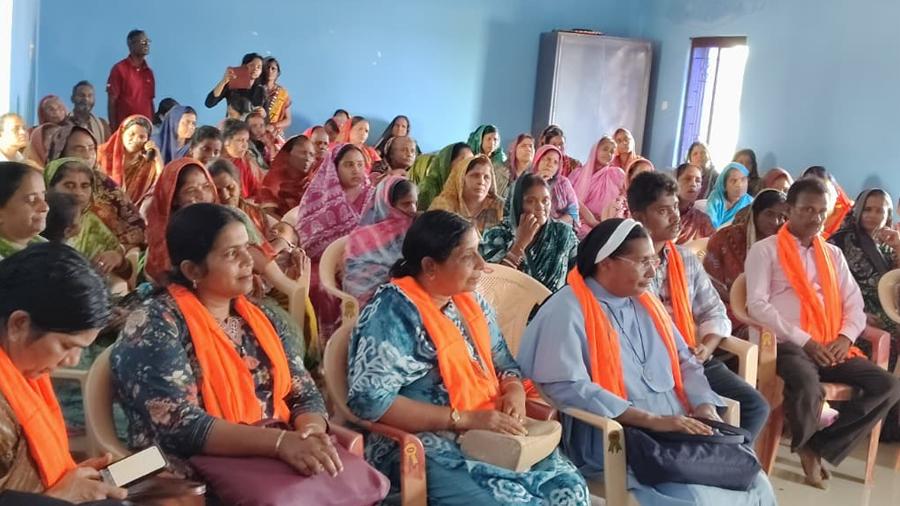
Kerala and Odisha Practitioners Come Together for Workshop on Humanitarian Aid and Disaster Risk Reduction
Disaster risk reduction practitioners from Kerala's Safe Within, Reconnect Wayanad and Vilangad Project travelled to...
LEARN MORE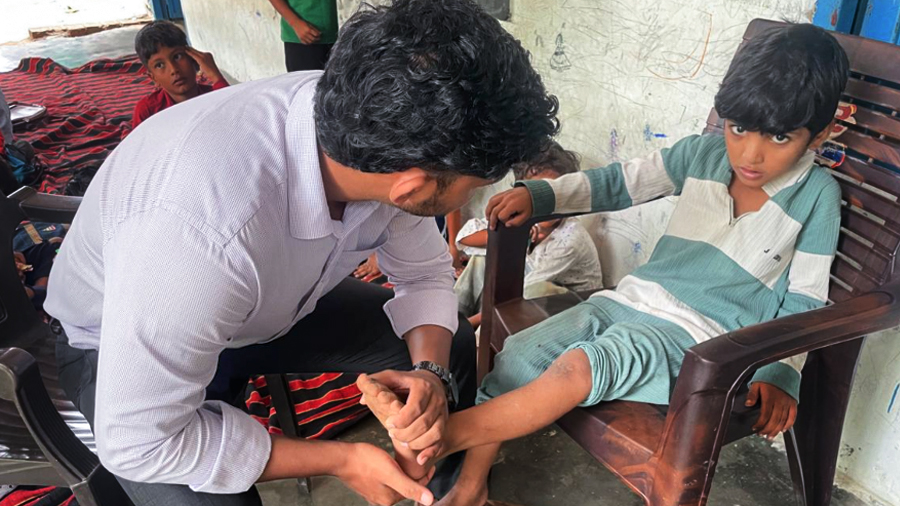
How Faiz Learned to Walk Again with Physiotherapy and Orthotic Support
There is a particular kind of heartbreak in watching your child want to play and...
LEARN MORE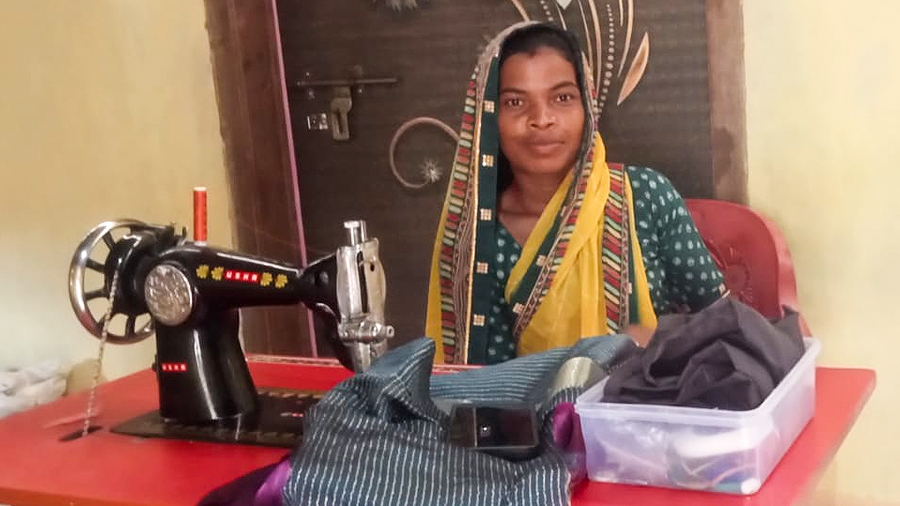
Every Stitch Keeps a Dream Alive
On the day Shiropati paid her children’s school fees from the money she earned through...
LEARN MORE 91 -11 - 2336 3390
  director@caritasindia.org


