
 91 -11 - 2336 3390
 director@caritasindia.org
Reviving Tradition: Narang Pullo’s Path to Sustainable Indigenous Poultry Farming
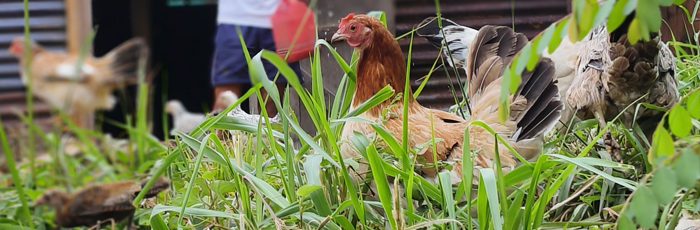
Native chickens are integral to backyard or free-range farming systems in India. Historically overlooked for their low production potential, they are now gaining importance due to rising demand for their meat and eggs, which consumers perceive as healthier and are willing to pay more for. These chickens are hardy, thriving in adverse climatic conditions, and show resistance to bacterial and parasitic diseases. Research on these breeds in intensive systems reveals high genetic diversity and unique characteristics not found in commercial chickens.
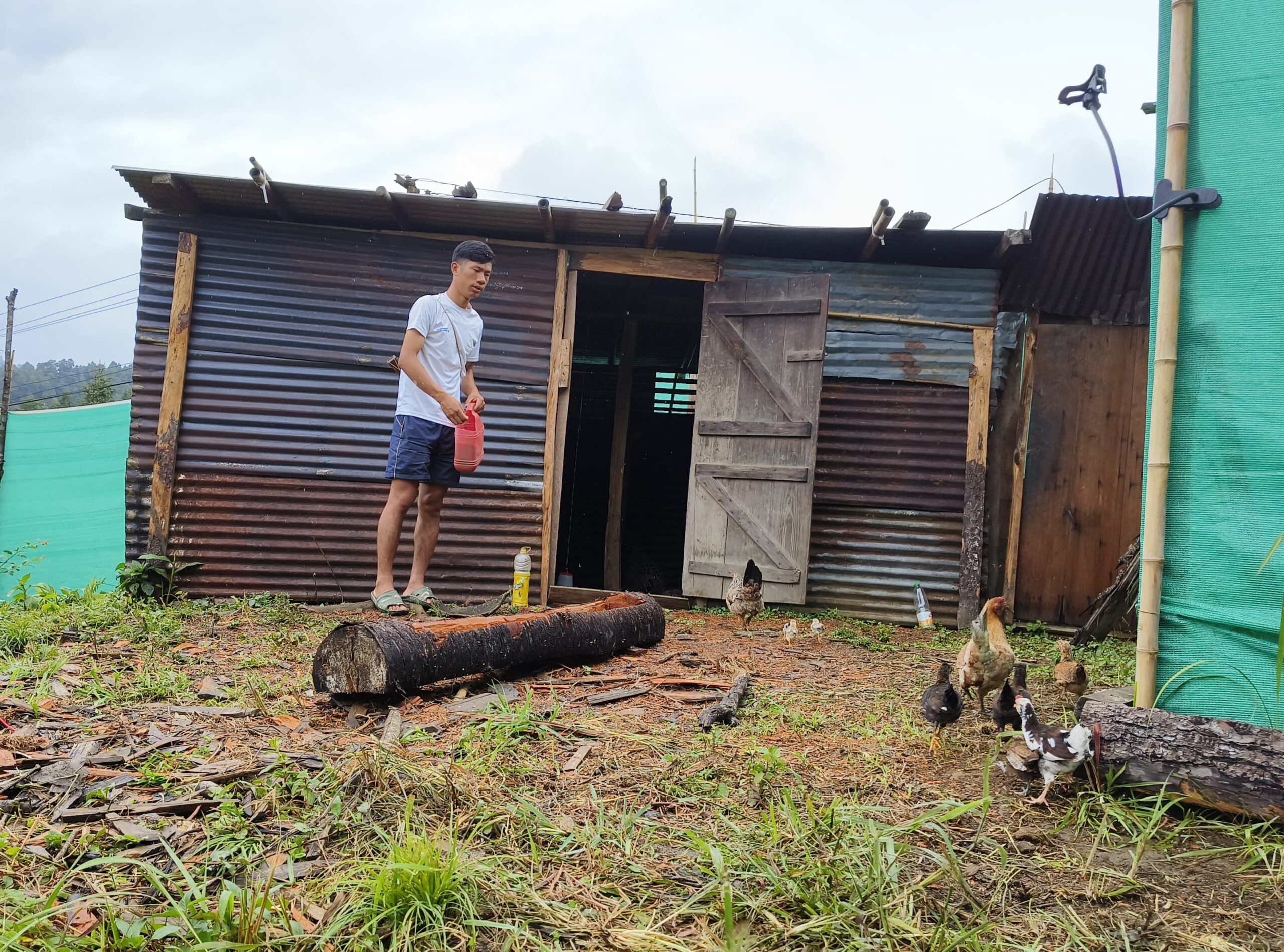
Mr. Narang Pullo, a resident of the Ziro Valley in Arunachal Pradesh, embarked on a transformative journey into sustainable agriculture. With a vision to integrate traditional practices with modern techniques, he initiated a free-range indigenous poultry farm, combined with a thriving kitchen garden and duck rearing. His efforts have not only revolutionized his livelihood but have also set a benchmark for sustainable farming in the region.
Pullo’s foray into free-range poultry farming began with a small flock of indigenous chickens. Unlike conventional poultry farming, his approach allowed the birds to roam freely, forage naturally, and thrive in a more humane environment. This method not only enhanced the health and productivity of the chickens but also reduced feed costs significantly. The high-quality, organic eggs and meat from Pullo’s farm quickly gained popularity in the local markets, earning him a reputation for sustainable and ethical farming.
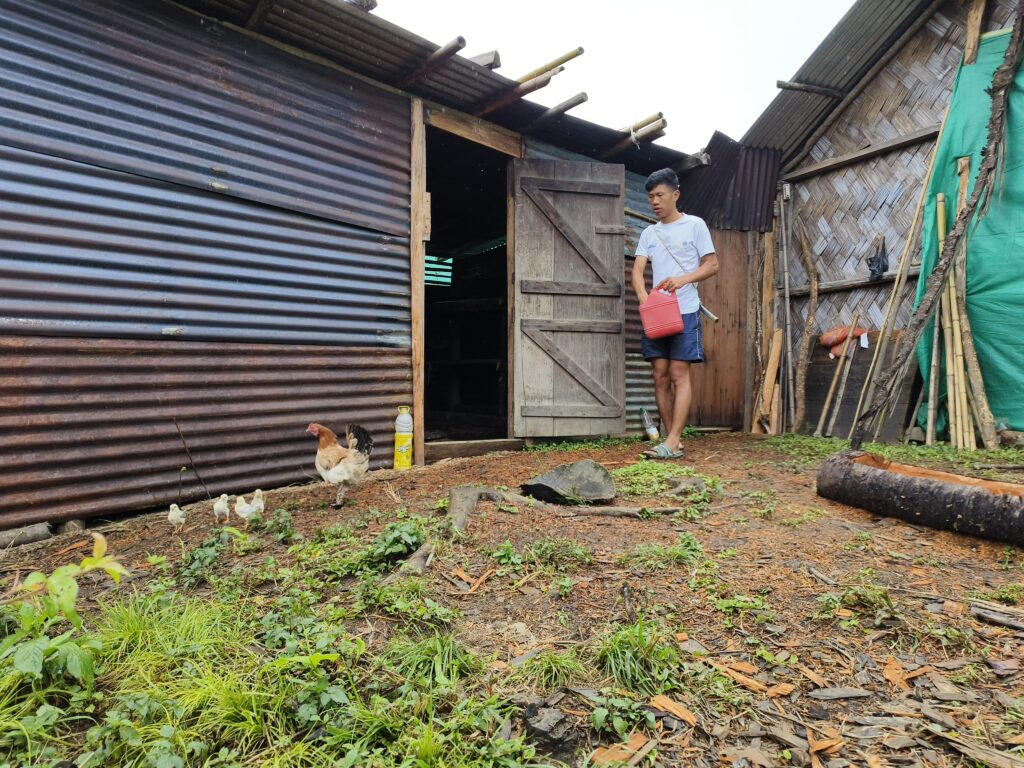
One major challenge Pullo faced was protecting his chickens from stray dogs and other predators. Drawing from traditional practices, he built secure traditional coops and used natural deterrents to keep the predators at bay. Additionally, he employed age-old techniques to treat poultry diseases, which helped in maintaining the flock’s health and resilience.
Pullo’s success was significantly supported by the Itanagar Diocesan Empowerment Association (IDEA), which is implementing the FARM project with support from Caritas India. IDEA provided the essential training and resources that enabled Pullo to adopt sustainable and effective farming practices. This collaboration was instrumental in resolving the challenges of poultry fatalities and enhancing overall farm productivity.
Complementing his poultry farming, Pullo established a kitchen garden adjacent to his homestead. Utilizing traditional farming wisdom passed down through generations, he cultivated a variety of vegetables and herbs. The kitchen garden not only provided fresh produce for his family but also contributed to the farm’s ecosystem. The chickens and ducks benefitted from the garden’s surplus greens, while their manure enriched the soil, creating a symbiotic relationship that enhanced overall productivity.
Duck rearing became another integral component of Pullo’s farming venture. Ducks, known for their resilience and low maintenance, proved to be an excellent addition to the farm. They thrived in the wet, marshy areas of the valley, controlling pests and providing high-quality eggs and meat. The ducks’ foraging habits also helped in keeping the kitchen garden free of insects, further promoting the health of the crops. This holistic approach not only diversified Pullo’s income sources but also ensured a balanced and sustainable farm ecosystem.
Despite the initial setbacks, Pullo’s innovative practices bore fruit. “My chickens were attacked by dogs, and my kitchen garden was affected by the chickens. Fortunately, with the support from IDEA and the techniques they shared, I was able to improve my farm significantly. Thank you, IDEA, and all its supporting agencies for helping me grow my livelihood and igniting a passion within me,” said Mr. Pullo.
Today, Pullo earns approximately Rs. 50,000 per annum from his diverse farming activities, with expectations for further growth. Narang Pullo’s innovative integration of free-range indigenous poultry farming, kitchen gardening, and duck rearing stands as a testament to the potential of sustainable agriculture. His success story has inspired many in the Ziro Valley and beyond to adopt similar practices, fostering a community movement towards more sustainable and self-sufficient farming. Pullo’s farm is a shining example of how traditional knowledge, when combined with modern sustainability principles, can lead to prosperous and resilient agricultural enterprises.
Upcoming News
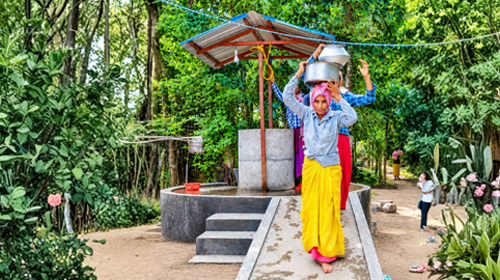
Bringing Water Closer to Home: An Inclusive Community Resilience Initiative in Assam
When floodwater enters 13/10 Grant Village in Assam, it also reaches the sources families depend...
LEARN MORE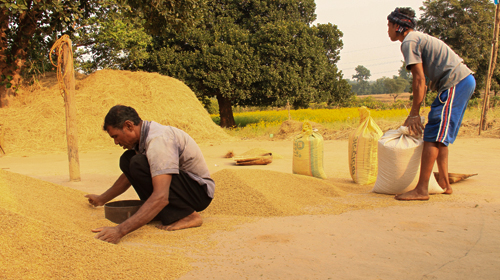
A Harvest Too Small for the Market? Study Points to the Power of Selling Together
A farmer may have a harvest to sell, yet too little produce to make the...
LEARN MORE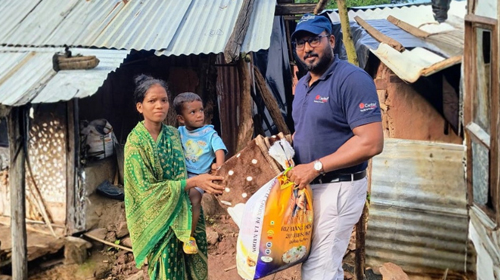
Caritas India Rushes Relief to Cyclone Arnab Hit Families in Odisha’s Gajapati
Caritas India has begun distributing emergency ration kits and blankets to families battered by Cyclone...
LEARN MORE 91 -11 - 23362735
 director@caritasindia.org


