
 91 -11 - 2336 3390
  director@caritasindia.org
 SAFBIN introducing conservation measures to boost resilience of smallholders
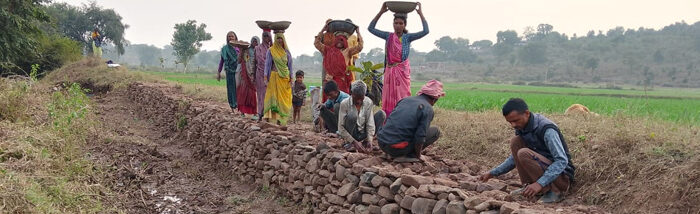
In the Bundelkhand region, smallholder farmers face formidable challenges exacerbated by climate change. Sagar and Damoh districts grapple with acute water scarcity, soaring temperatures, and irregular rainfall patterns, leaving farmers vulnerable to crop failures and economic hardships.
Among those most affected are smallholder farmers struggling to overcome poverty, improve nutrition to enjoy sustainable development. Lack of access to education, healthcare, and infrastructure further exacerbates their plight, amplifying the impact of water scarcity on agriculture and livelihoods.
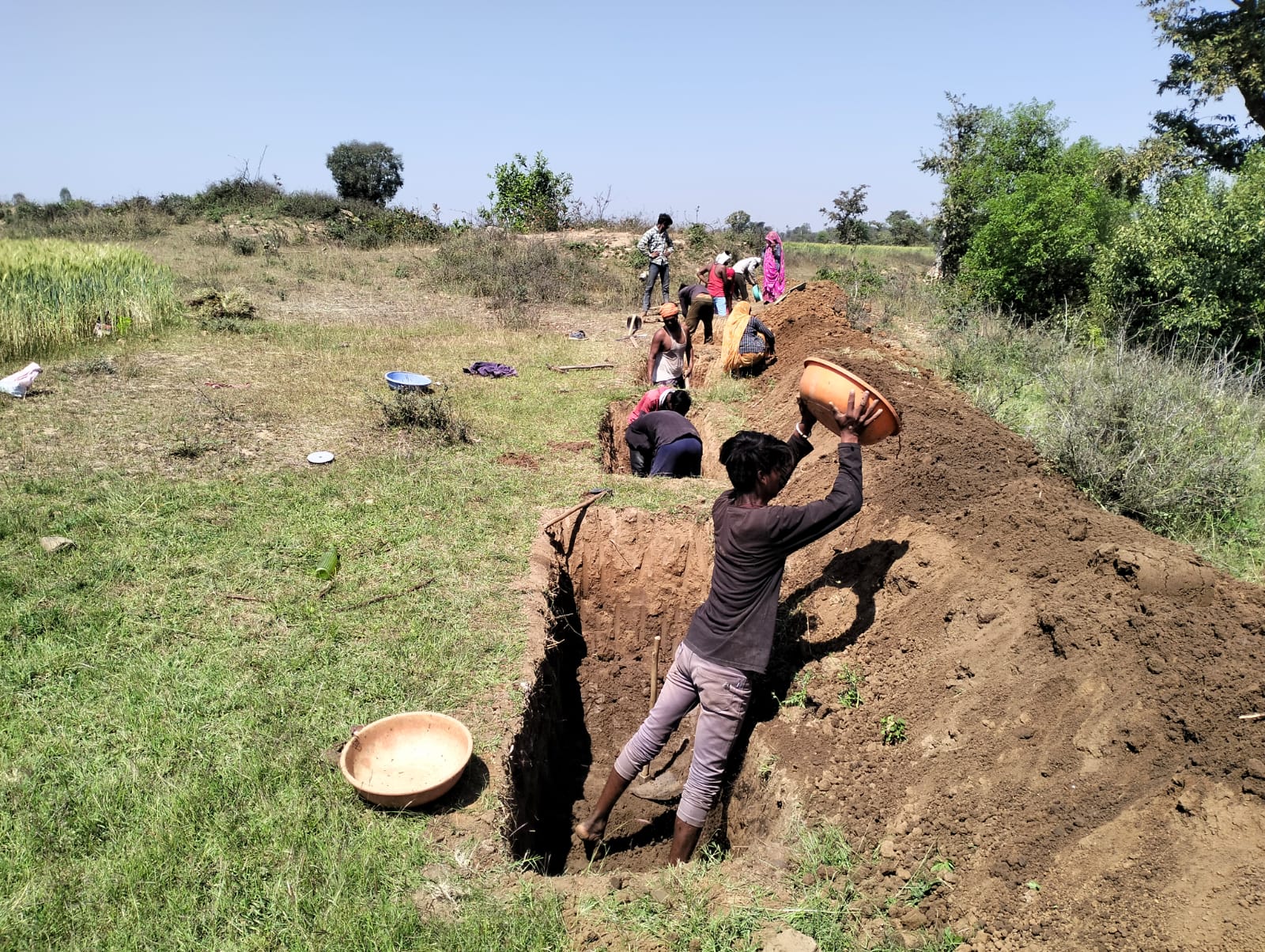
Recognizing the urgent need for action, Caritas India launched the SAFBIN (OBOS) program to empower smallholder farmers and enhance their resilience to climate change. Through low-cost soil and water conservation measures, SAFBIN has worked to arrest rainwater for irrigation and household use, ensuring sustainable agricultural practices while preserving the small farm ecosystem.
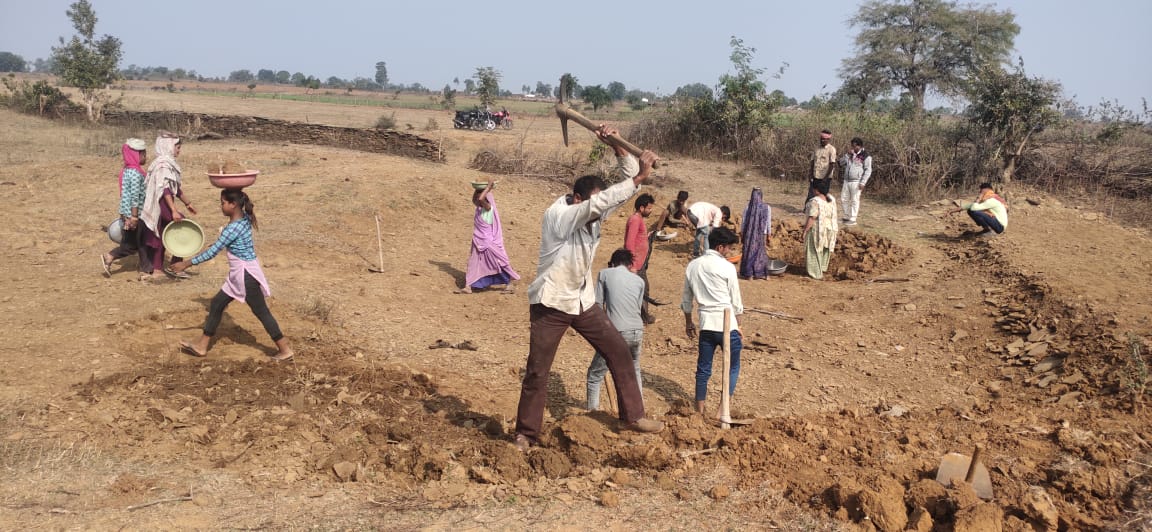
Active community involvement lies at the heart of SAFBIN’s approach. Farmers are not merely beneficiaries but active participants, contributing labor and resources to implement conservation measures. This grassroots engagement fosters ownership and sustainability, driving positive change from within the communities.
Under the initiative, SAFBIN conducted comprehensive Net-Planning studies, engaging community volunteers to develop tailored soil and water conservation plans. These plans guided the construction of various conservation structures, including Loose Boulder Structures, Gully Plugs, Farm Bunds, Mini Ponds, and Water Absorption Trenches.
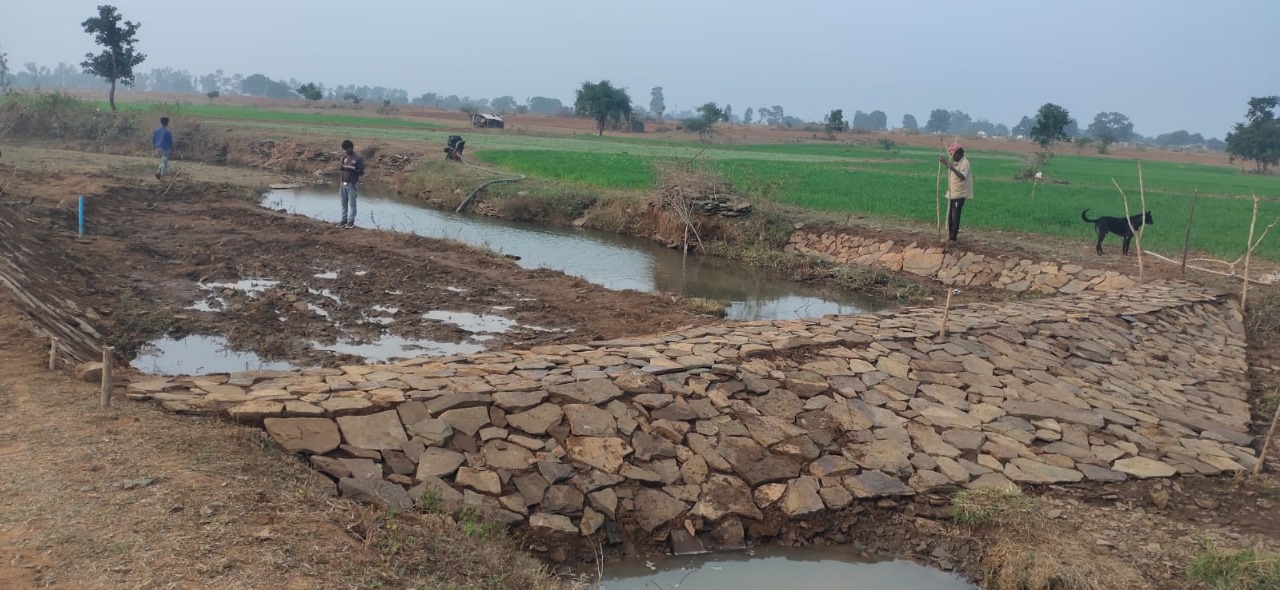
The impact of SAFBIN’s interventions is already evident. Thirty conservation structures have been constructed, providing employment opportunities and reducing seasonal migration by 20 to 25%. Moreover, soil erosion rates have decreased, and rainwater storage capacity has increased, ensuring greater water availability for irrigation and household needs.
For farmers like Mr. Premnarayan Adiwasi and Mr. Bisram Adiwasi, the impact of SAFBIN’s efforts is life-changing. With repaired wells and newly constructed mini ponds, they have diversified their crops and improved household income, breaking free from the cycle of dependence on monsoon rains.
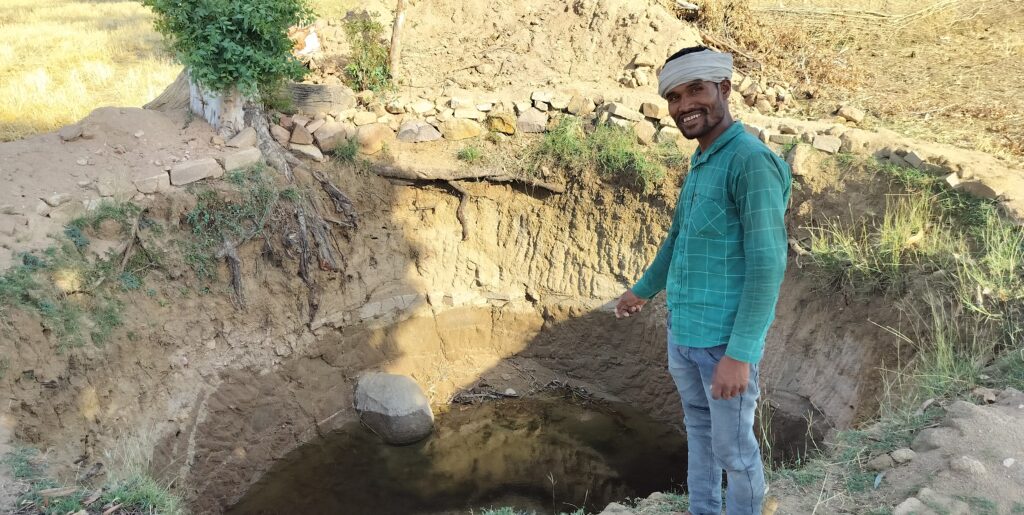
Mr. Premnarayan Adiwasi expressed his gratitude, highlighting the newfound access to irrigation and drinking water, enabling him to cultivate crops year-round. Similarly, Mr. Bisram Adiwasi celebrated the construction of mini ponds, which provided sufficient water for irrigation, transforming his farm’s productivity.
The success of SAFBIN’s initiatives underscores the importance of community-driven solutions in building resilience and adaptation to climate change. By empowering smallholder farmers and fostering sustainable practices, Caritas India’s SAFBIN program is paving the way for a brighter, more resilient future in Madhya Pradesh.
As India continues to grapple with the impacts of climate change, initiatives like SAFBIN serve as a building block, demonstrating the power of community collaboration in overcoming adversity and building a more sustainable tomorrow. Through collective efforts, we can ensure the resilience and prosperity of smallholder farmers, safeguarding both livelihoods and ecosystems for generations to come.
Upcoming News
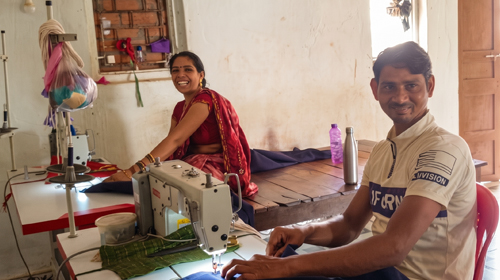
How Family Livelihood Built a Khushaal Bachpan in Bastipara
In Bastipara, a small hamlet of Kevradih village under Sirri Panchayat, Chhattisgarh most families depend...
LEARN MORE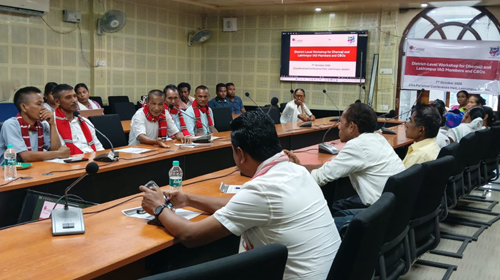
Caritas India Brings IAGs and Community Organizations Together in Assam
As climate change reshapes weather patterns and intensifies disaster risks across Assam, strengthening community preparedness,...
LEARN MORE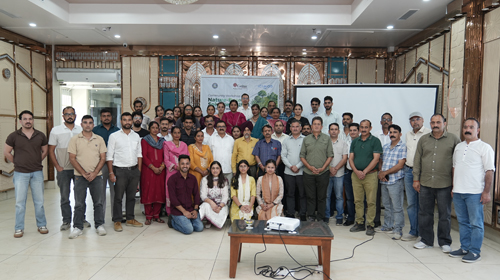
Dharampur Workshop Hands Flood Protection Works to the Community
Sixty three people gathered in Jahu with one question to settle. Who will look after...
LEARN MORE 91 -11 - 23362735
  director@caritasindia.org


