
 91 -11 - 2336 3390
  director@caritasindia.org
 Saksham partners to work on localizing agriculture and food systems
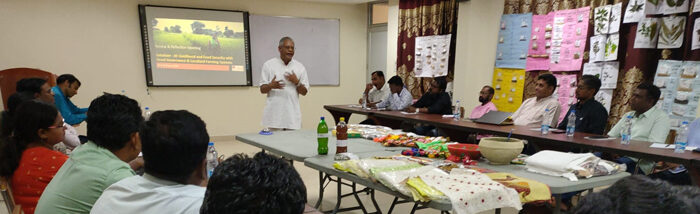
Caritas India partners implementing the Saksham programme in five North Indian states have decided to further intensify their efforts to help communities achieve food and nutrition security by localizing agriculture. Saksham programme, implemented by seventeen partners in Madhya Pradesh, Uttar Pradesh, Rajasthan, Bihar, and Uttarakhand, works with marginalized and disempowered communities for helping them gain access to food and nutrition entitlements.
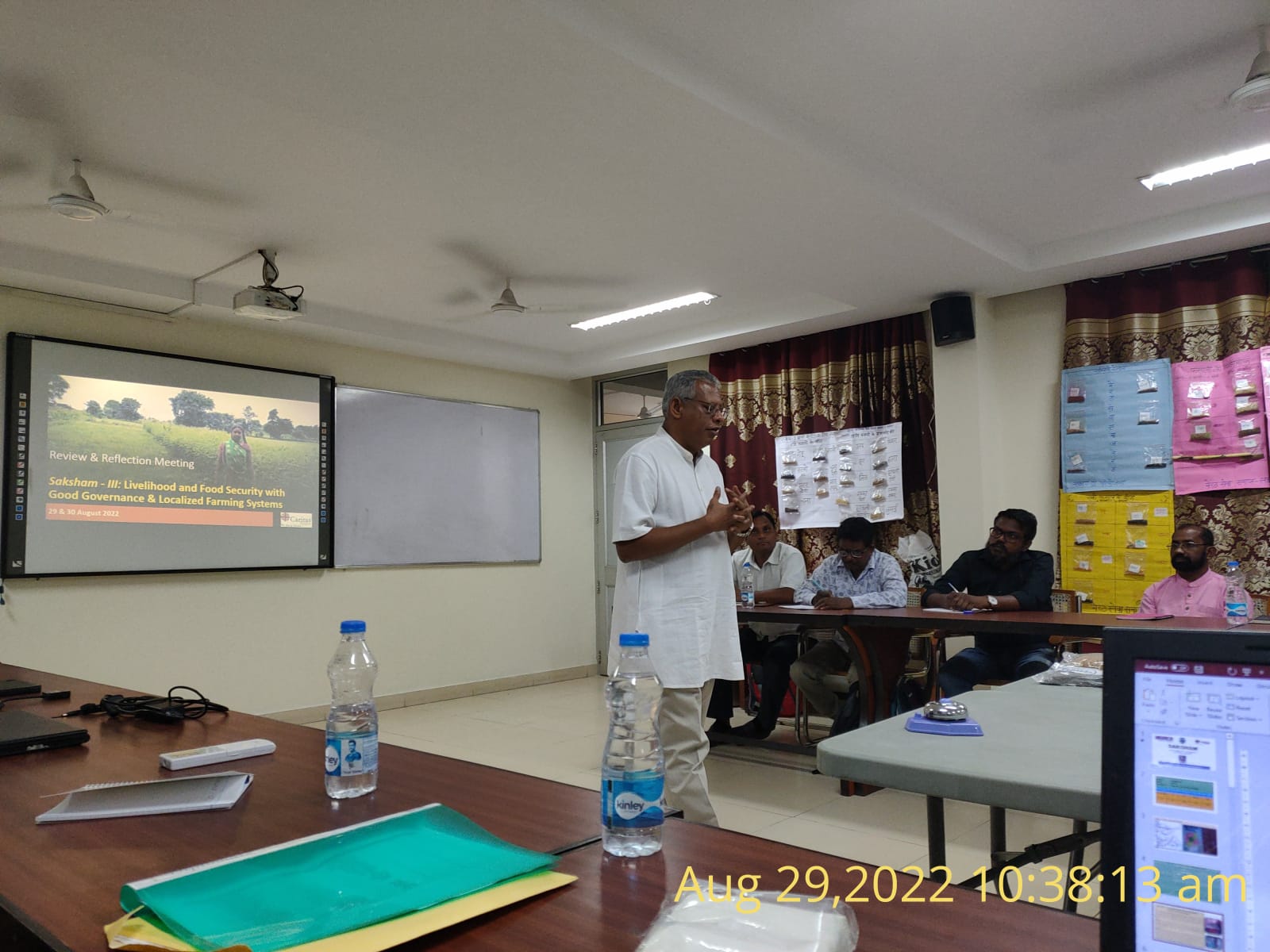
Caritas India had organized two partner consultations in Gorakhpur and New Delhi to review the progress of the Saksham programme and to develop an action plan for the next six months. While addressing the partner meet in New Delhi on 29 August Fr. (Dr.) Jolly Puthenpura, Assistant Executive Director of Caritas India, highlighted the aggravating misery of the poor due to the pandemic and increasing marginalization in society. “Saksham needs to work vigorously with communities to find ways to further strengthen social harmony. The social fabric should be such that it fosters harmony and inclusive development. As organisations that are committed to social welfare, Saksham partners have accountability to bring about inclusive development which will help everyone enjoy the benefits of development,” Fr. Jolly said in his address.
“We must work concertedly to connect communities, religious groups, caste and ethnic groups so that there is harmony in society. Social wellbeing and welfare cannot be achieved without first establishing social harmony”, Fr. Jolly added. He expressed concern about the worsening living conditions of the poorest of the poor and exhorted Saksham partners to urgently identify solutions that will help the country’s poor.
The three-year Saksham programme, supported by Misereor Germany, is being implemented in 270 villages in five North Indian states. Saksham adopts a two-pronged strategy for addressing the livelihood, food and nutrition insecurity of communities, particularly Dalits and Adivasis. The strategy involves localizing agriculture by reducing the community’s dependence on the market and increasing food production. The project also envisages increasing the community’s ownership and participation in grassroots-level governance processes so that poor communities have access to the benefits of development and welfare schemes and programmes implemented by the government.
During the two-day partner consultations held in New Delhi and Gorakhpur, partners shared about community-level impacts achieved by Saksham. Partners presented their results in the areas of good governance and sustainable agriculture. Some of the salient results that were presented during the reviews include special Gram Sabha meetings, the commencement of community market, increased participation of communities in local governance processes and linking of communities with government welfare schemes and programmes. The partners also presented their results of community mobilization and organisation. It was informed during the consultations that Saksham has so far succeeded in raising and strengthening more than 850 community-based organisations which include farmers’ groups, self-help groups, village development committees, children’s parliaments and mothers groups. Caritas India and its partners launched the Saksham programme in April 2022.
Alongside the partner consultation that was held in Gorakhpur, training on Sustainable Agriculture was also organized. Dr. Mukund Deshmukh, Assistant Programme Manager of the Food and Nutrition Security program, facilitated the two-day workshop.
Dr. Mukund consolidated and presented the experiential learning of multiple projects of Caritas India and gave helped participants with inputs on localized agriculture practices. Participants were helped on a range of topics including preparing growth promoters, pest control solutions, seed treatment measures and crop management systems. Participants were given hands-on training on the preparation of farm inputs which are substitutes for the costly chemical nutrient and pest management solutions available on market.
The Gorakhpur round of consultation was held on 24 and 25 August whereas the consultation in New Delhi was organized on 29 and 30 August.
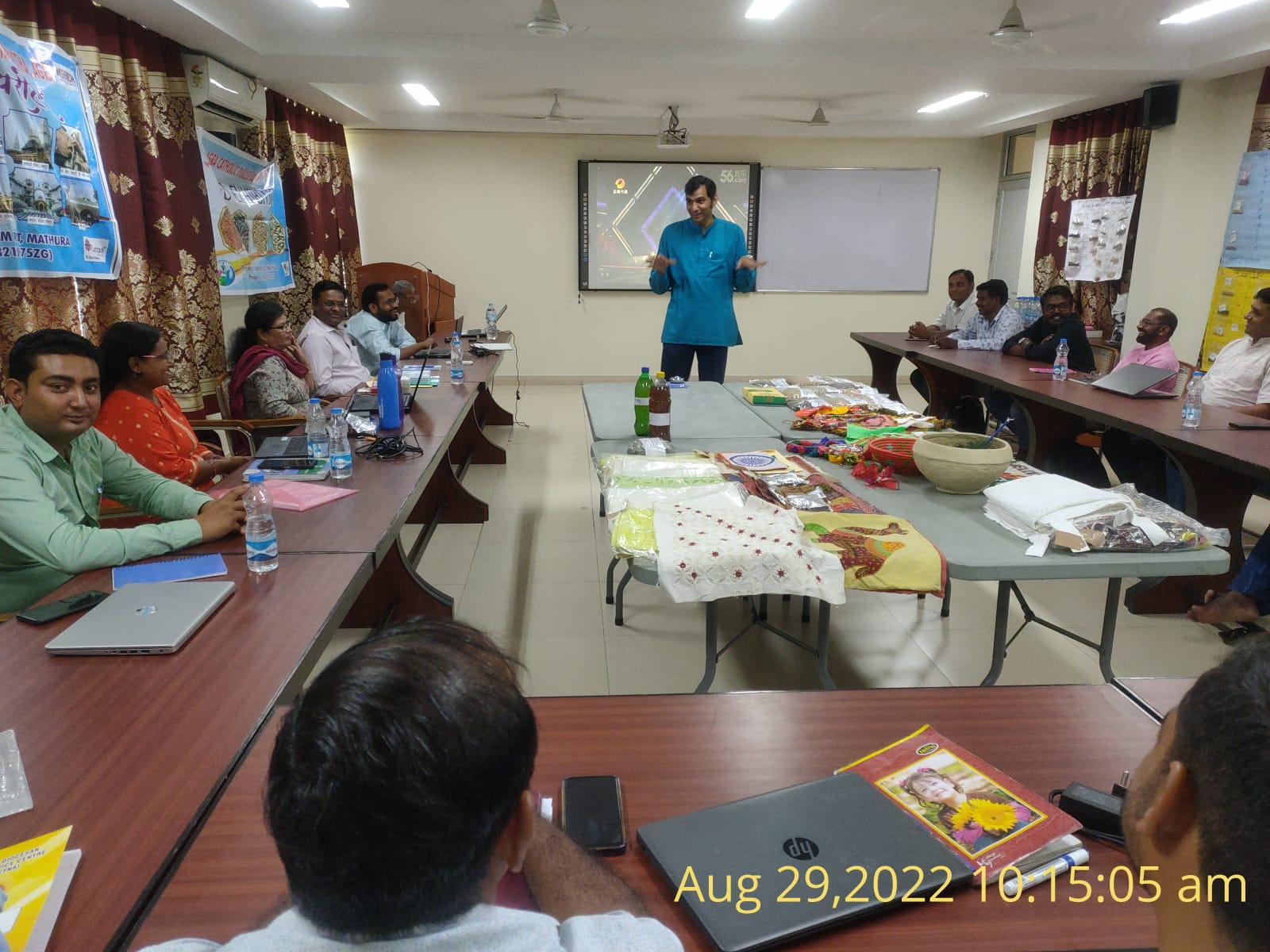
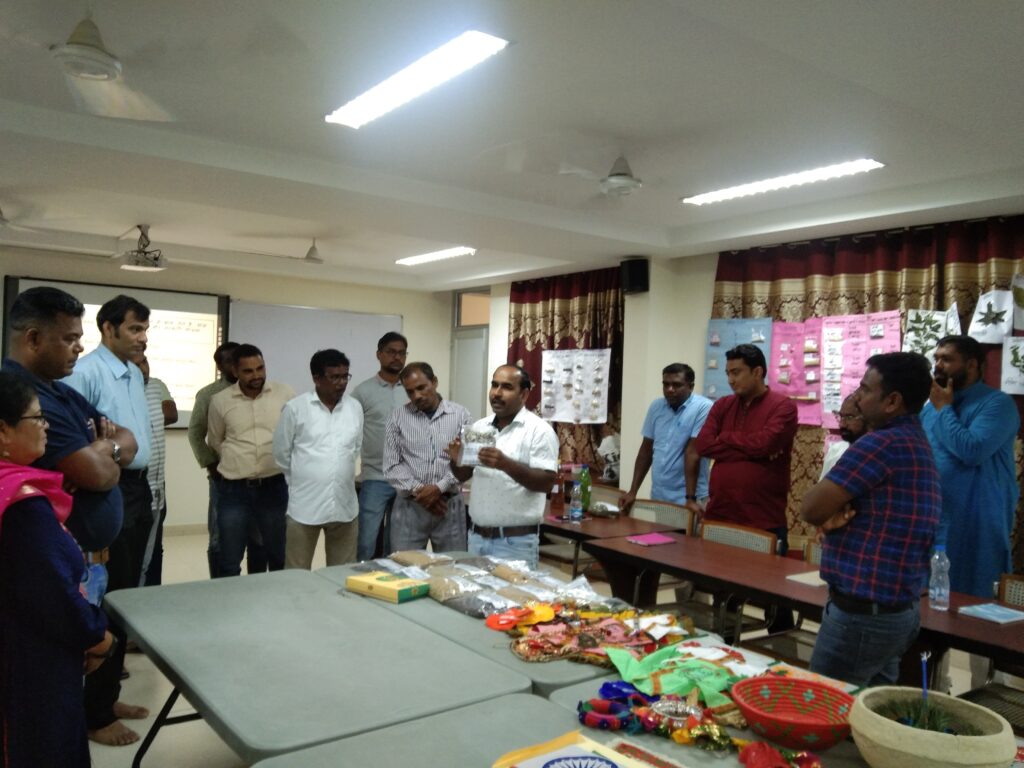
During both consultations, exhibitions were organized for partners to showcase their impacts and innovations. The consultations thus served as platforms for the exchange of seeds and localized farm solutions.
Upcoming News
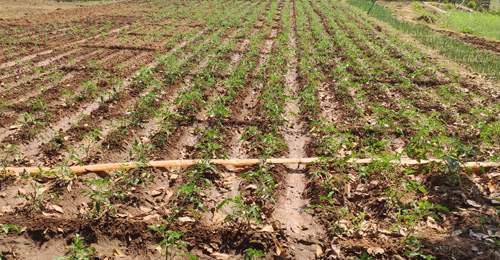
How Musangu’s Barren Slopes Became a Living Harvest
The dense forests of Ranchi’s Angara Block once cast long, somber shadows over the 382...
LEARN MORE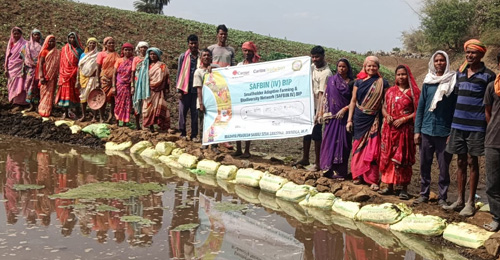
Four Madhya Pradesh Villages Lead Collective Action for World Water Day 2026
The morning of March 22nd at Kolua village didn’t start with policy speeches or ribbon-cutting....
LEARN MORE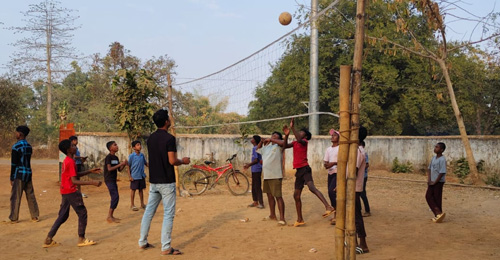
Now Our Playground is Full of Life
"Earlier, we had the desire to play, but we did not have the proper sports...
LEARN MORE 91 -11 - 2336 3390
  director@caritasindia.org


