
 91 -11 - 2336 3390
  director@caritasindia.org
 Saksham Program’s people-Led approach bringing significant changed in community
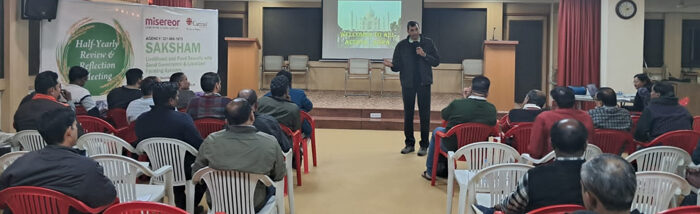
The recently concluded Saksham Half-Yearly Review Meeting brought together 18 partners from Uttar Pradesh, Rajasthan, Madhya Pradesh, Bihar, and Uttarakhand at the Navjivan Renewal Centre, St. Xavier School Campus, Delhi. This collaborative gathering aimed to reinforce accountability, celebrate achievements and foster a sense of ownership through reflection and discussion.
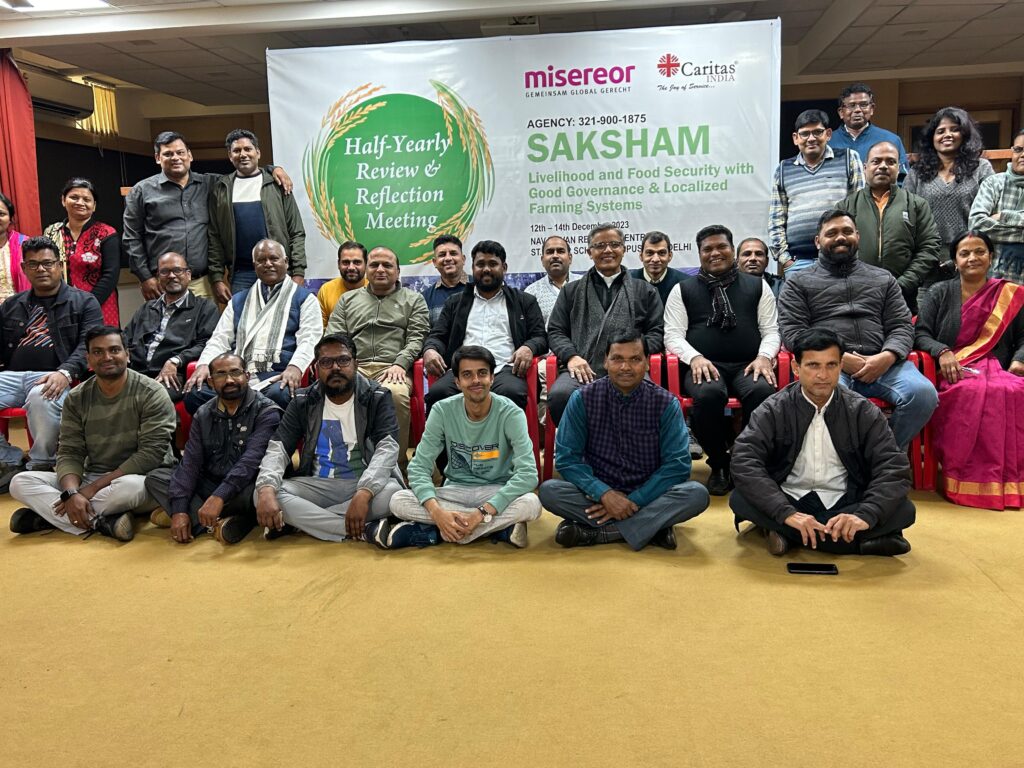
The meeting witnessed engaging discussions, with a primary focus on the impressive strides made by partners in Gram Sabha, Ward Sabha, Community Markets, Social Audits, FPOs Formation, Nutrition Gardens, networking with stakeholders, and community empowerment. Over three days, the review meeting became a platform to showcase the bountiful harvest of six months’ dedicated efforts in the realms of good governance and sustainable agriculture.
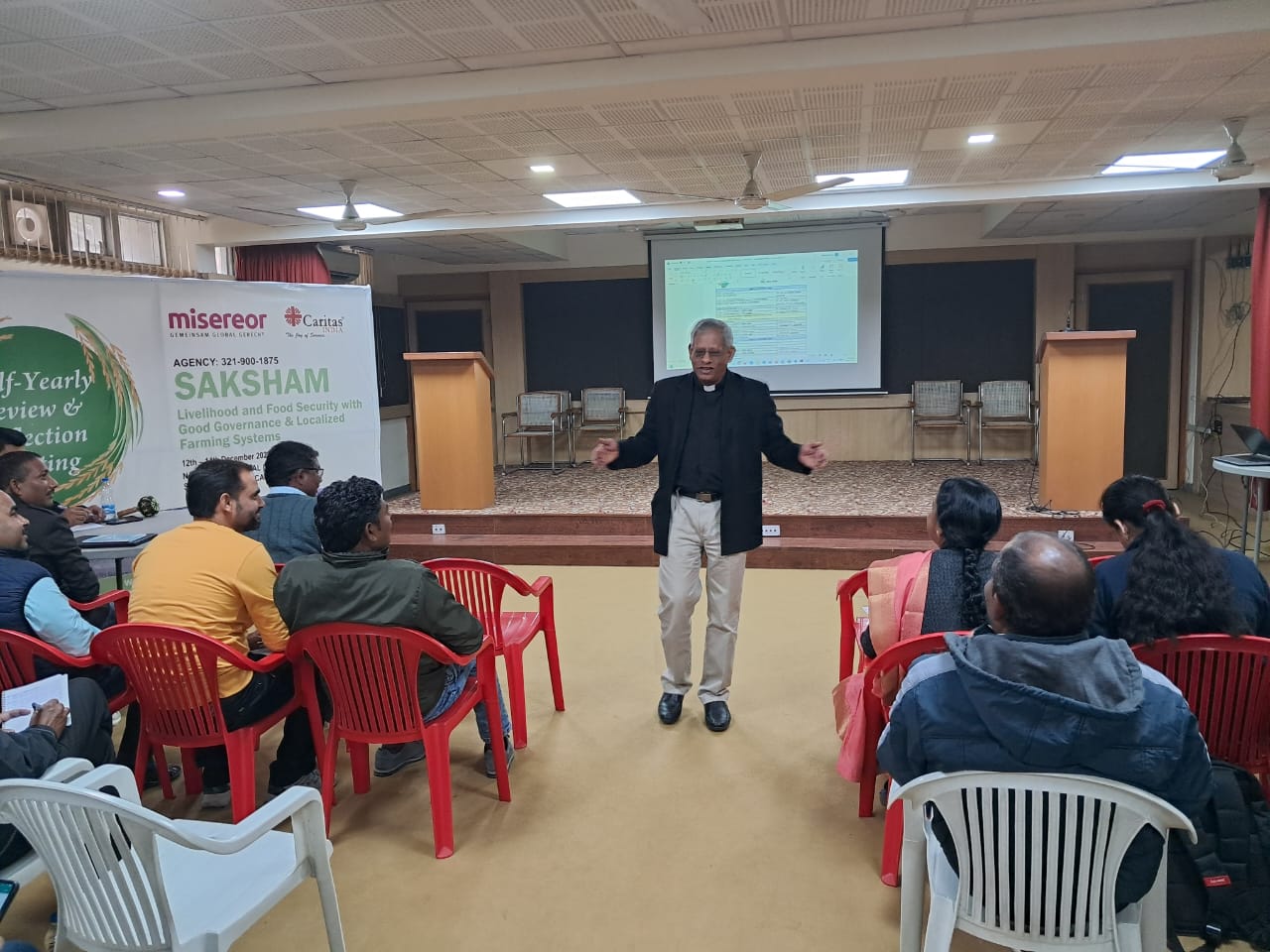
Thirteen partner directors and 18 outreach workers from the five North Indian states actively participated in sharing the remarkable results achieved in the sectors of good governance and sustainable agriculture. Fr. (Dr.) Jolly Puthenpura commended the efforts and results, emphasizing the partners’ accountability and the importance of mutual respect and trust in fostering effective partnerships. He reiterated the role of every Diocesan Social Service Society as a beacon of light for uplifting marginalized communities.
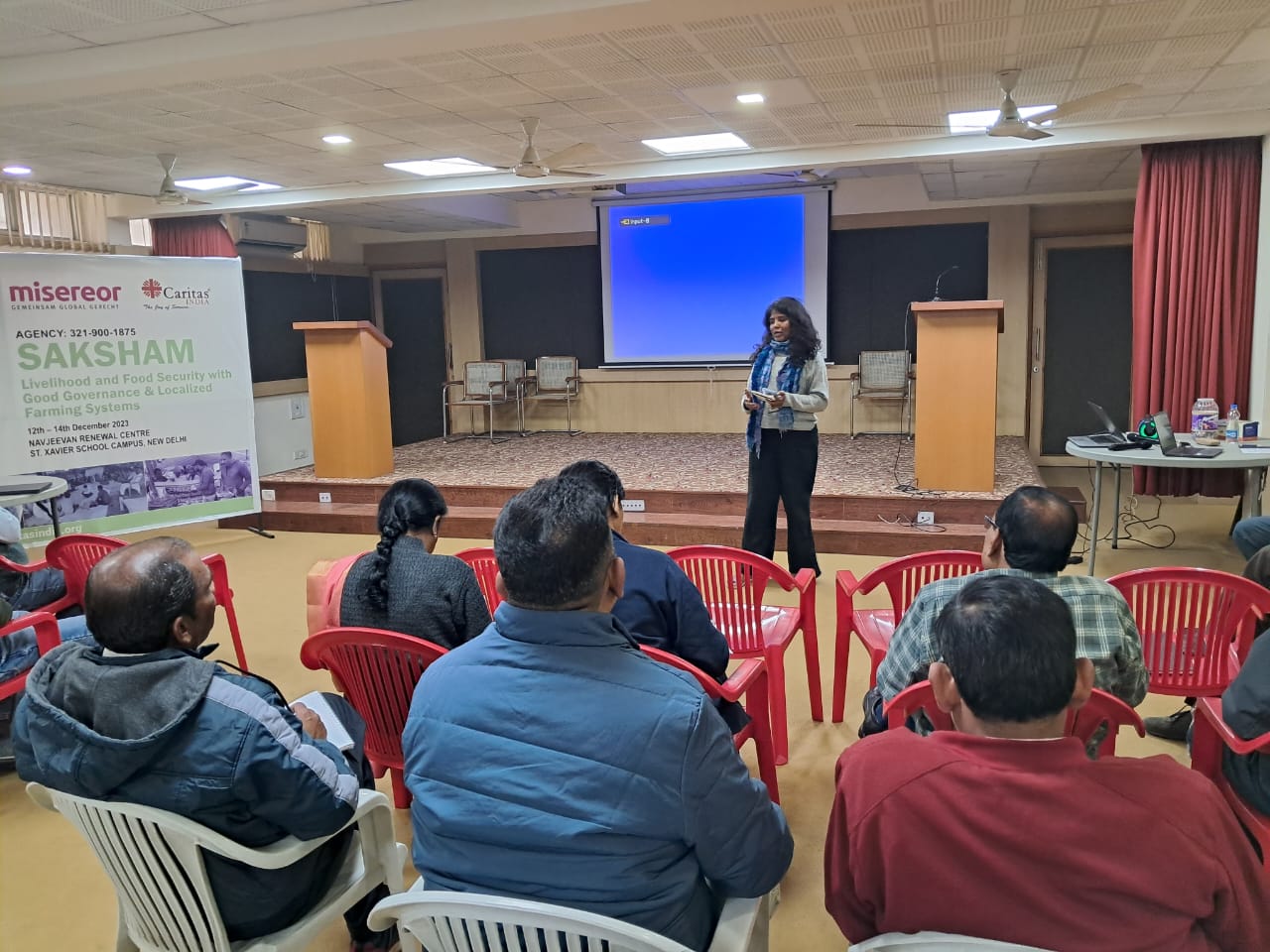
Ms. Babita, the Head of the Program, imparted invaluable insights, emphasizing four pillars crucial for program enrichment. These pillars encompassed the constant infusion of newness, local resource mobilization, a shift from a generic to a specific approach, and the expansion of impact at different levels starting from region, district, state and national.
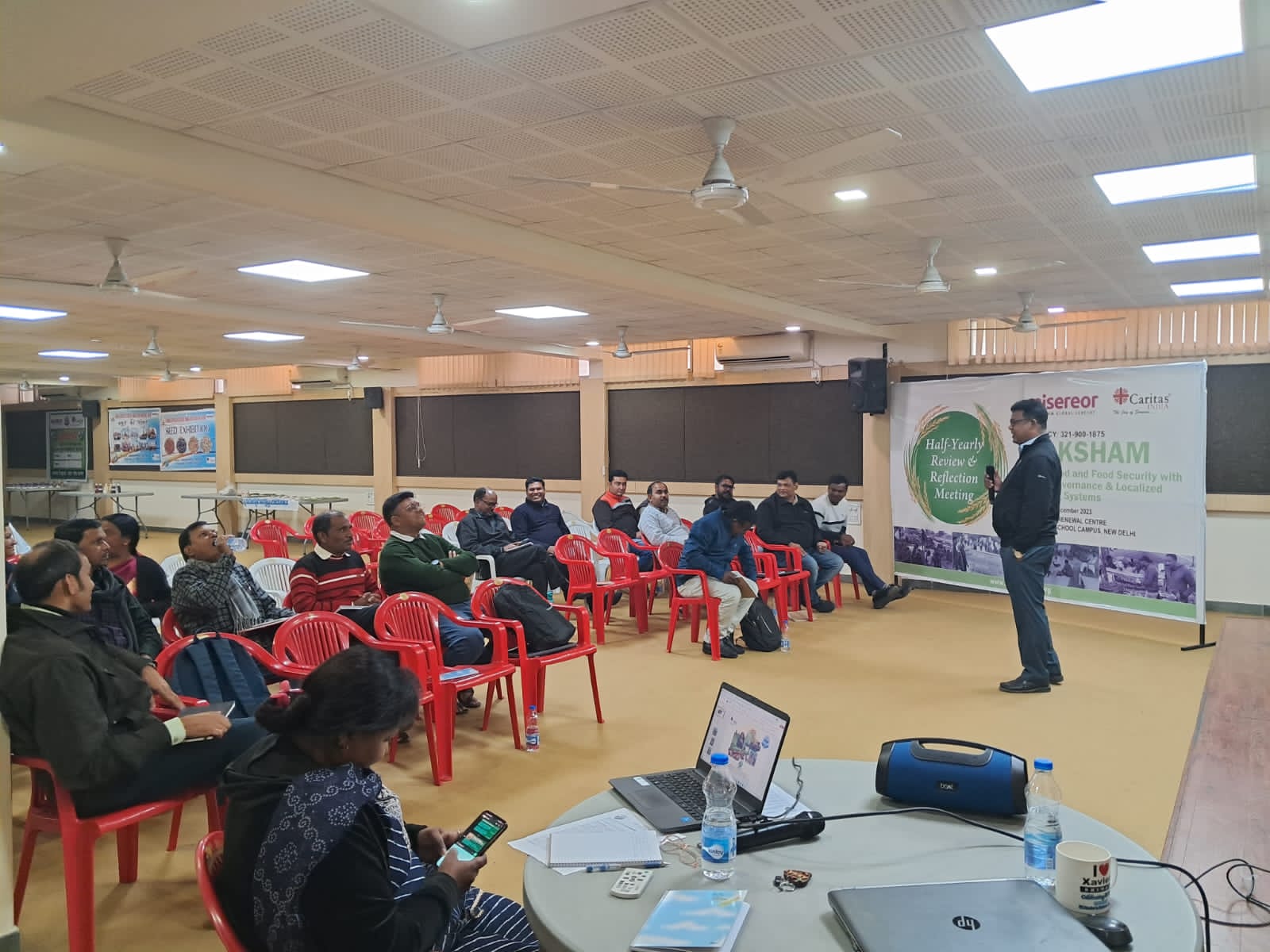
The highlight of the review meeting was the exceptional progress in various areas, including Ward Sabha, Special Gram Sabha, Social Audit, Government scheme utilization by community members, village community-driven application writing and filing, nutrition gardens, FPO formation, sustainable agriculture practices by farmers, and the establishment of seed banks.
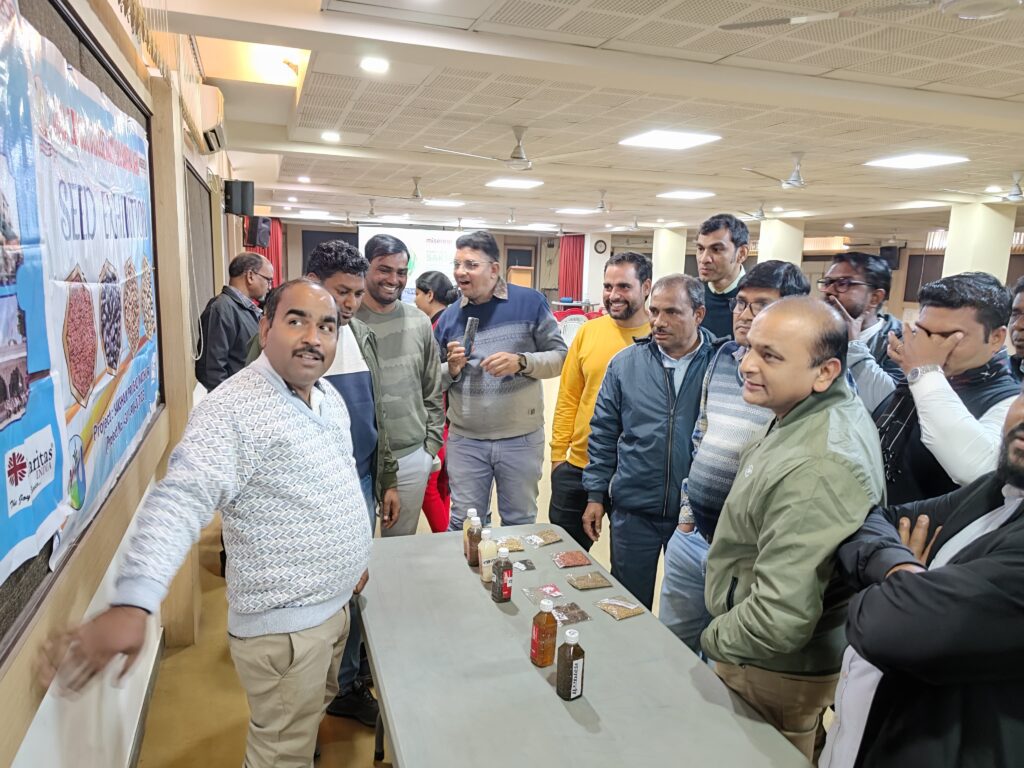
However, the standout achievement was the establishment of 11 community-led Haat Bazars. These initiatives, driven by community members, are sustaining the cyclical economy of farmers, symbolizing a remarkable step towards self-sufficiency and empowerment.
The exhibition gallery, showcasing sustainable agriculture modules and geographic significance, added substantial value to the review meeting. It served as a platform for participants to exchange learnings, methodologies, and techniques that can be replicated in their respective fields.
With newfound insights and a sense of purpose, the participants departed, reenergized, and committed to achieving even better results. The Saksham Program continues to illuminate the path toward community-led development, bringing smiles to the faces of those it serves.
Upcoming News
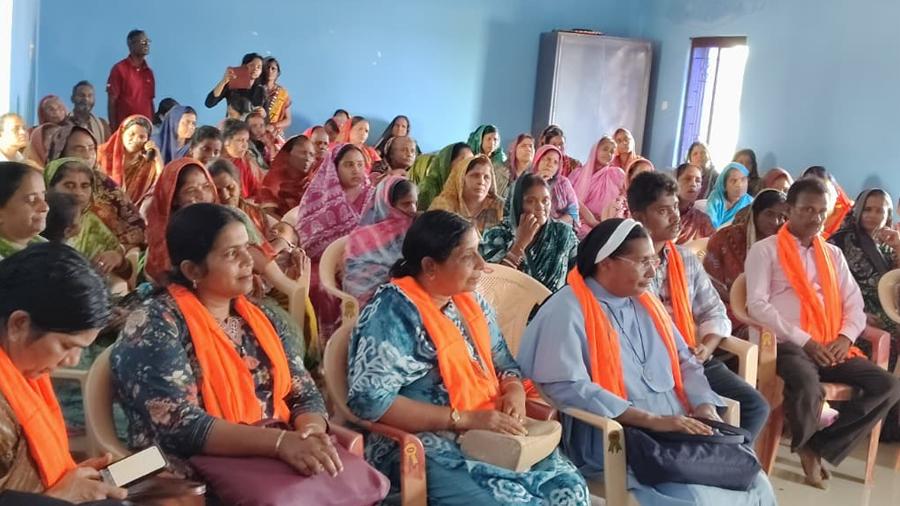
Kerala and Odisha Practitioners Come Together for Workshop on Humanitarian Aid and Disaster Risk Reduction
Disaster risk reduction practitioners from Kerala's Safe Within, Reconnect Wayanad and Vilangad Project travelled to...
LEARN MORE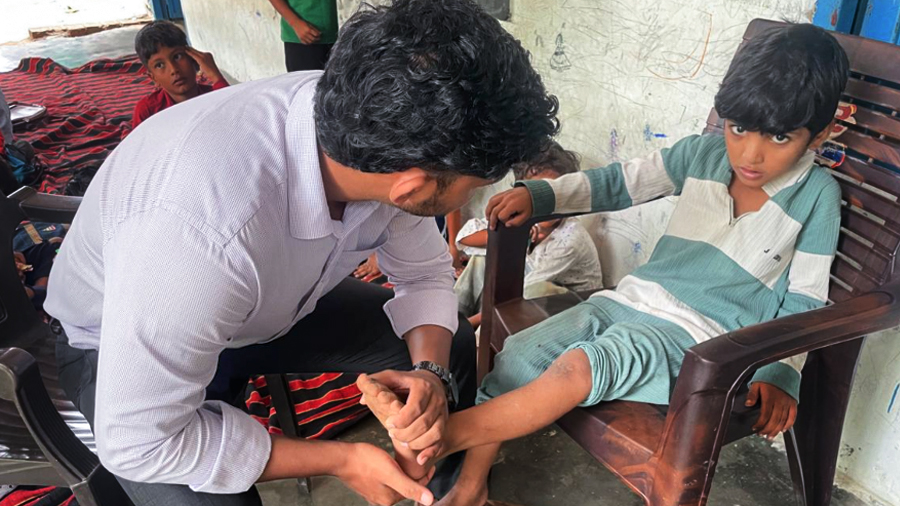
How Faiz Learned to Walk Again with Physiotherapy and Orthotic Support
There is a particular kind of heartbreak in watching your child want to play and...
LEARN MORE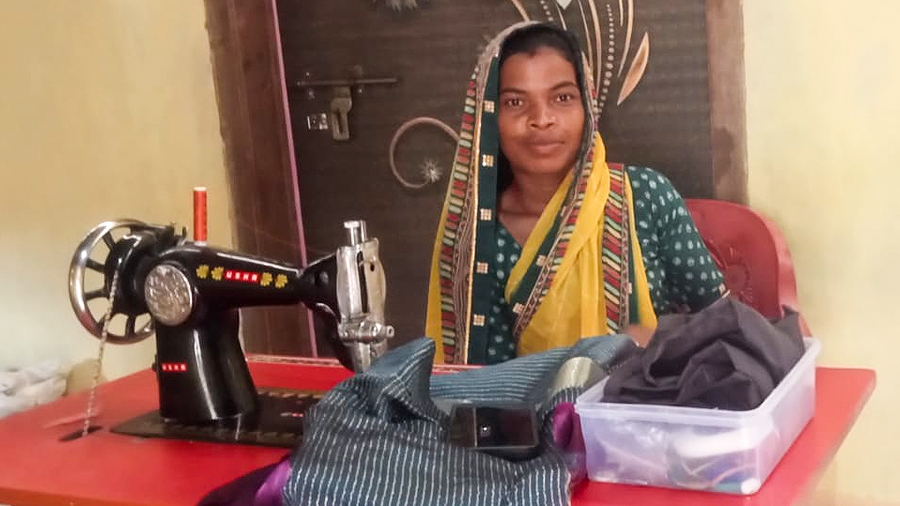
Every Stitch Keeps a Dream Alive
On the day Shiropati paid her children’s school fees from the money she earned through...
LEARN MORE 91 -11 - 2336 3390
  director@caritasindia.org


