
 91 -11 - 2336 3390
  director@caritasindia.org
 Today Latehar farmers can beat the drought, drop by drop
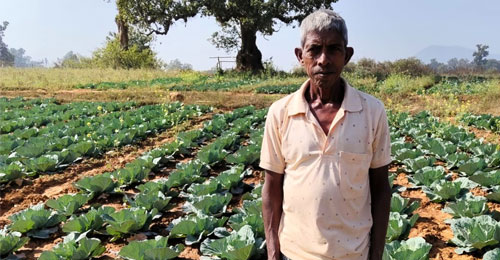
Vegetable crops are growing again on drought-scarred fields in Chandwa block of Latehar district after farmers installed drip irrigation systems with support from Caritas India’s Gram Nirman Project, marking a decisive shift toward climate-resilient livelihoods in one of Jharkhand’s most vulnerable regions.
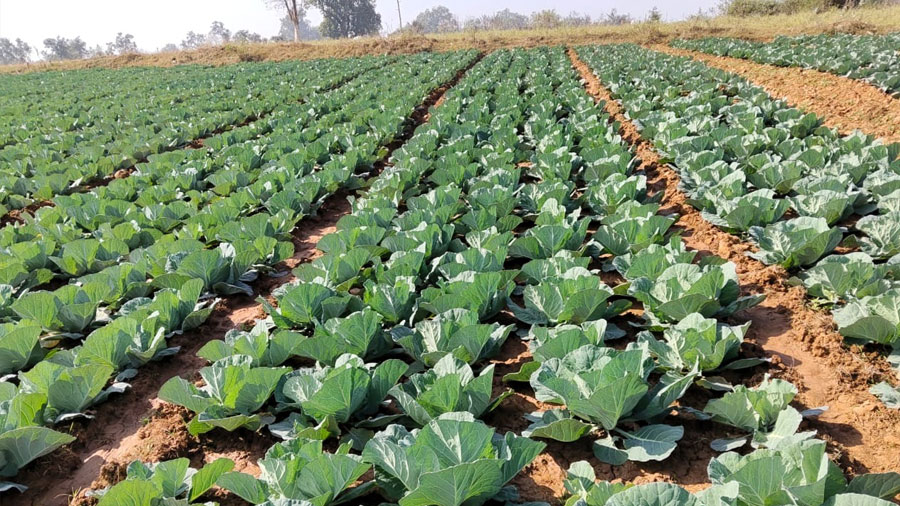
Thirteen small and marginal farmers are currently cultivating grafted tomato and cauliflower using drip irrigation, enabling efficient water use despite erratic rainfall. Fields that often lay barren during dry seasons are now productive, reducing dependence on the monsoon and strengthening household food security. Seven more farmers are expected to receive and install their systems in the coming weeks.
Latehar district in western Jharkhand is among the most drought-prone areas of the state. Although rich in forest cover, the region depends largely on rain-fed agriculture. Delayed monsoons, short spells of intense rainfall, prolonged dry periods, and early withdrawal of rains have become frequent. Combined with lateritic soil and uneven terrain, these conditions limit groundwater recharge and severely affect crop productivity.
Recurring drought has long triggered crop failures, seasonal migration, and drinking water shortages, placing additional burden on women and children. Nutrition and health indicators suffer most during prolonged dry spells, deepening vulnerability among tribal communities.
To respond to these challenges, Caritas India has been implementing the gram nirman project since July 2021 with support from Caritas Australia. The project adopts an asset-based community development approach, enabling communities to identify their strengths, set priorities, and lead their own development processes.
Under Gram Nirman, livelihood strengthening remains a key focus. Farmers are organised and supported through collective planning, access to certified seeds, promotion of climate-smart practices, rainwater conservation, and facilitation of technologies such as solar and drip irrigation.
The shift toward drip irrigation began after an exposure visit in December 2024, when twenty farmers from Chandwa block visited Lohardaga district and observed successful vegetable cultivation using efficient water management systems. Inspired by the results, the farmers expressed interest in adopting the practice but faced a major barrier due to high installation costs.
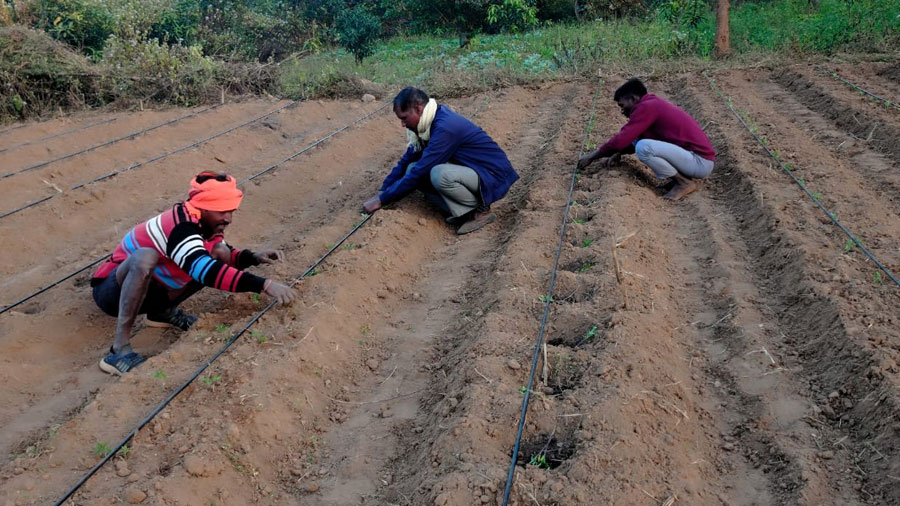
With facilitation from the gram nirman team, the farmers collectively approached the soil and water conservation department and applied for government subsidy schemes. Following inspections and approvals, the total cost of approximately ₹1.5 lakh per acre was reduced by a 90 percent subsidy, making the technology affordable.
By December 2025, thirteen farmers had installed the systems, while the remaining applications are in process. Beyond improved yields and income prospects, the farmers have emerged as local examples of how collective action, government convergence, and community-led development can build resilience against climate stress.
What now flows through the drip lines is more than water. It is proof that with the right support, even drought-hardened land can be brought back to life.
Upcoming News

Archbishop Dr. Linus Neli Takes the Helm at Caritas India
A new chapter of compassion has begun. Archbishop Dr. Linus Neli officially took charge as...
LEARN MORE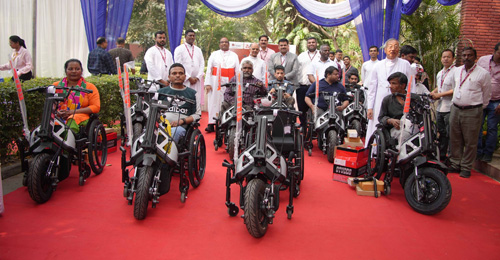
Wheels of Freedom: Caritas Transforms Lives through Chetana Campaign
For Govinda, a 21-year-old student living in a small slum near Delhi’s Mansarovar Park, the...
LEARN MORE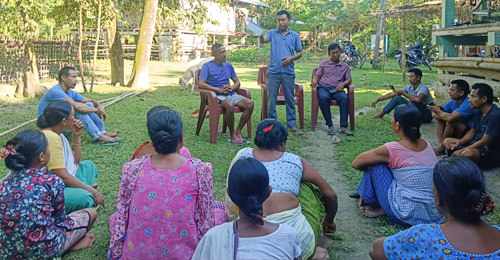
How a small village built its own lifeline against floods
On the shifting banks of the Brahmaputra in Dhemaji district lies Bholukaguri, a village where...
LEARN MORE 91 -11 - 2336 3390
  director@caritasindia.org


