
 91 -11 - 2336 3390
 director@caritasindia.org
Together to Rise for Cultural Upliftment and Development
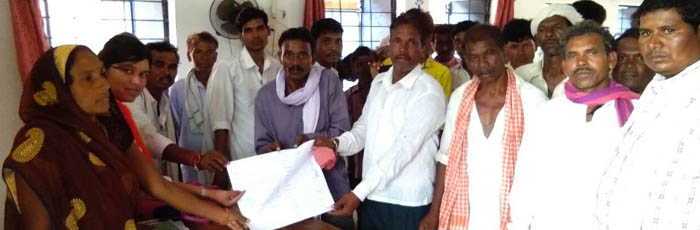
On the occasion of 70th Independence Day, the Korku Tribal community of bordering districts of Khandwa and Melghat districts of Madhya Pradesh and Maharashtra states, demanded independence from persisting malnutrition, and protection of their identity in the Gram Sabhas.
On 15 August 2017, about 639 Korku community members in Khandwa, MP and Melghat, Maharashtra participated in the Garm Sabhas and filed about 27 representations demanding (1) Supportive pricing on the traditional Millets (Kutki, Sawa, Kodo, Jowar) and their inclusion in the Public Distribution System (PDS) outlets in Korku dominated regions; (2) PVTG status; and (3) identification and development of the Korku script and language. This was a big day for the community where for the first time they articulated such demands in the Gram Sabha.
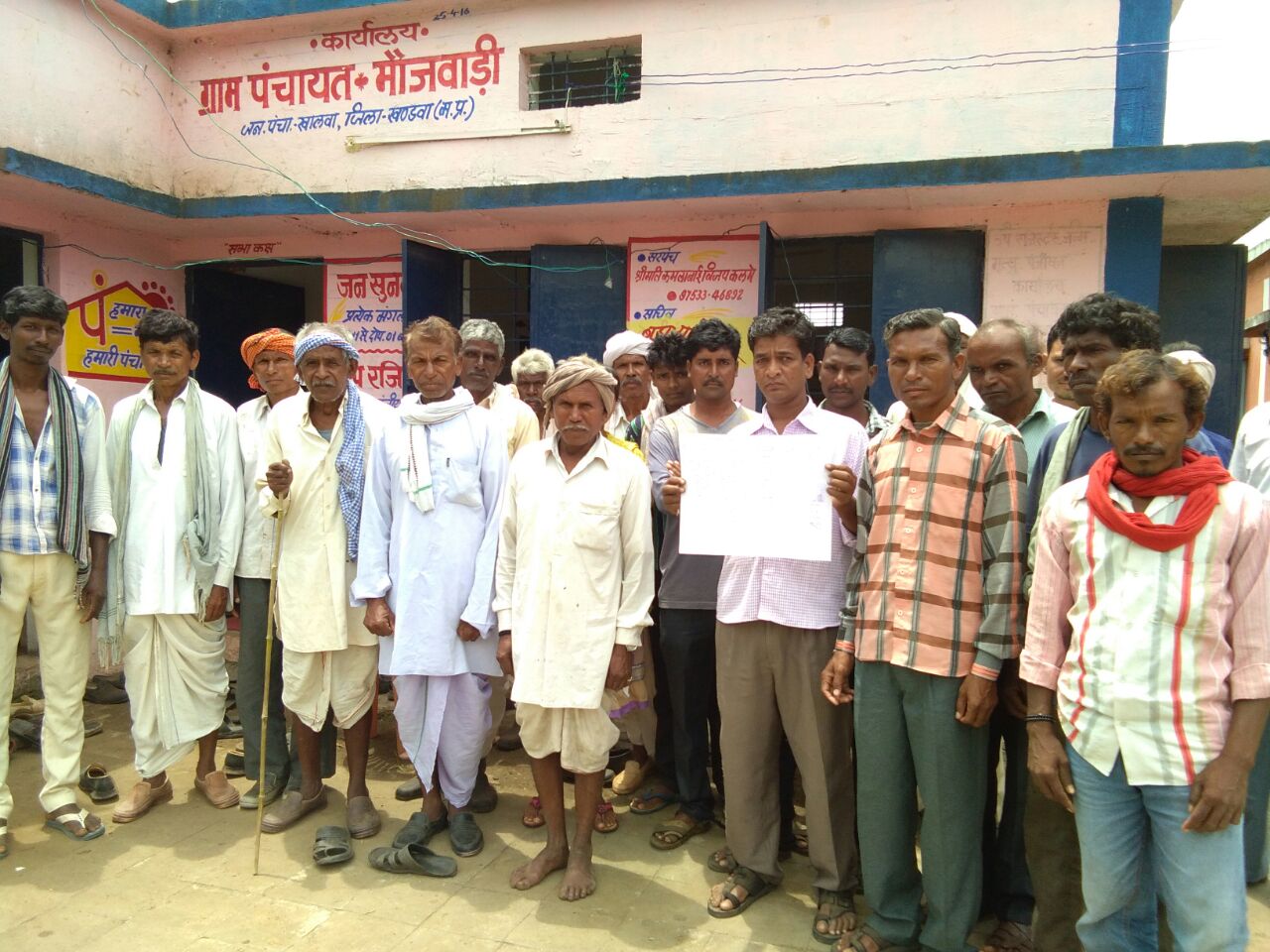
It’s a great demonstration of the collective resolve of the community members under the aegis of SABAL- an Integrated Nutrition and Food Security Programme for the Korku tribe. The decision to file representation was unequivocally agreed to by the three partners of the programme, with their field animators hailing from the Korku community, during the recent review and planning meeting held on 3-4 August in Khandwa, MP. Surviving through a declining population and extinction of their language and script (declared endangered language of India by UNESCO), the demand for what they want the PDS to serve and self-determination is just the first step to the long path they are to undertake.
The Korku tribe of Madya Pradesh are a stark example of malnutrition in the state. NFHS-4 reported that 49.9% of Under-five (U5) years children of Khandwa are ‘underweight’, 23.2% are ‘wasted’ and 46.8% of children are ‘stunted’.
Over the years, the disappearance of traditional millet owing to the shift to cash crops like paddy, wheat and soy, placed the burden of malnutrition on the Korku people. Moreover, the denial of PVTG status has deprived them of special assistance from the Central Government for their overall development.
SABAL programme of Caritas India aims at reviving traditional agriculture systems to ensure sufficient nutritious food to the Korku community, together with PVTG status for the community. Caritas India is supported by the Federal Ministry for Economic Cooperation and Development (BMZ) of the German Government and Caritas Germany.
Upcoming News
Bringing Water Closer to Home: An Inclusive Community Resilience Initiative in Assam
When floodwater enters 13/10 Grant Village in Assam, it also reaches the sources families depend...
LEARN MORE
A Harvest Too Small for the Market? Study Points to the Power of Selling Together
A farmer may have a harvest to sell, yet too little produce to make the...
LEARN MORE
Caritas India Rushes Relief to Cyclone Arnab Hit Families in Odisha’s Gajapati
Caritas India has begun distributing emergency ration kits and blankets to families battered by Cyclone...
LEARN MORE 91 -11 - 23362735
 director@caritasindia.org


