
 91 -11 - 2336 3390
  director@caritasindia.org
 Tribal women’s SHG enterprise now supplies supplementary nutrition to 200 Anganwadi Centres across Kasdol block in Chhattisgarh
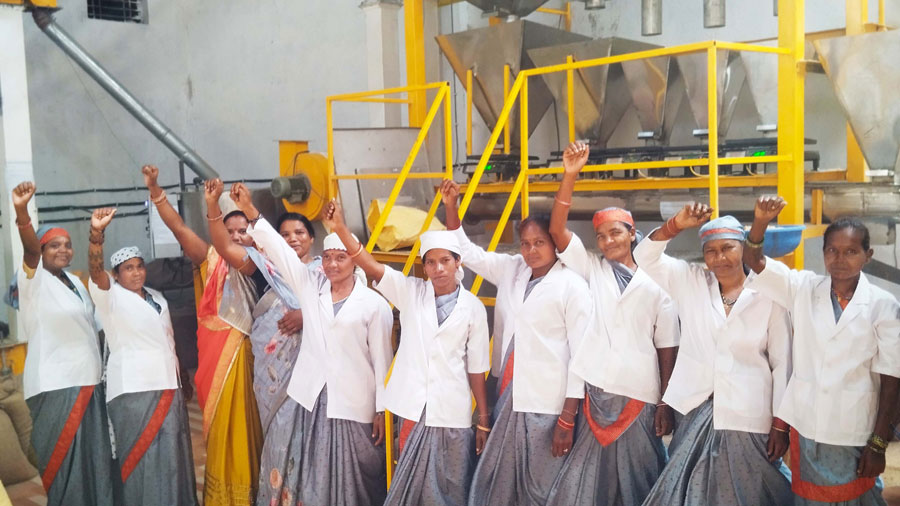
Devi SHG of Chilkaguda village, built on a ₹52-lakh bank loan and mentoring from Caritas India’s Khushaal Bachpan programme, has grown from a monthly savings circle into a functioning food-production enterprise
A tribal women’s Self-Help Group (SHG) in Chilkaguda village of Chhattisgarh now supplies supplementary nutrition to more than 200 Anganwadi Centres across Kasdol block, running a Ready-to-Eat (RTE) food production unit that has turned a 12-member savings group into a functioning small enterprise.
The unit, run by the Devi SHG, was set up with a ₹52 lakh loan from the State Bank of India and mentoring support from Khushaal Bachpan (KB), Caritas India’s child development programme. Production began in March 2026, and the enterprise now repays close to ₹60,000 every month toward its loan from its own income — a pace rarely seen among rural SHGs, most of which remain confined to savings and small internal credit.
Founded in 2008, Devi SHG functioned for years like hundreds of others in the region, with its 12 women members contributing ₹100 every month and extending small internal loans. The shift began when the Khushaal Bachpan team encouraged the group to explore a sustainable micro-enterprise, guiding the women through mentoring and exposure visits toward the idea of an RTE food unit that could supply Anganwadi Centres.
The group’s plan gained institutional backing after District Collector Mayank Chaturvedi suggested a livelihood model the women could pursue. The Sub-Divisional Magistrate (SDM) visited the village to assess the initiative before the administration facilitated the loan process. Processing and packaging machinery was procured from Haryana, and the women’s husbands helped with transport, logistics and installation.
“At first, the idea of starting a production unit seemed impossible. None of us had ever managed such a large enterprise before. The encouragement and guidance from the KB team gave us the confidence to move forward together,” said SHG president Sankuwar Rathia.
The unit sources wheat, chickpea and groundnut as its main raw materials from the market in Baloda town. The women collectively handle procurement, production, quality control, packaging, record-keeping and distribution, while members Mithilesh Rathia and Kiran Rathia oversee technical maintenance of the machinery.
“When the machines arrived, operating them efficiently was not easy. We had to learn every function and understand proper maintenance. With continuous practice and support, regular production has now become routine,” said Madan Rathia, who operates the machinery for the group.
During visits to the unit on January 15 and February 10, 2026, SDM Mayank Chaturvedi said the initiative showed how organised SHGs could become successful rural enterprises and inspire others in the district.
For members who earlier depended entirely on farming, the change has been significant. “Earlier, we depended only on cultivation and suffered frequent losses because of crop damage by wild animals. Today, this enterprise has given our families a new source of hope and income,” said SHG secretary Ramayanvati Rathia.
“Every member contributes equally to the success of this enterprise. Whether it is procurement, record-keeping or packaging, we work as one team. Our shared responsibility has become our greatest strength,” Ms. Rathia added.
“Today, we are proud that our group is creating livelihoods for women while serving children through nutritious food,” said Ms. Rathia.
Economic opportunities remain limited for rural women in Scheduled Tribe (ST) communities, where agriculture and daily wage labour are the primary sources of income. While thousands of SHGs across India have expanded access to savings and credit, few evolve into full-fledged enterprises. Though still in its early phase, the Devi SHG’s enterprise has already strengthened household incomes and established a steady supply chain of nutrition to Anganwadi Centres in the block. The evidence proves that with collective leadership, institutional support and sustained handholding, tribal women, who are otherwise considered hesitant to start enterprises, can build enterprises that benefit both their families and the wider community.
Upcoming News
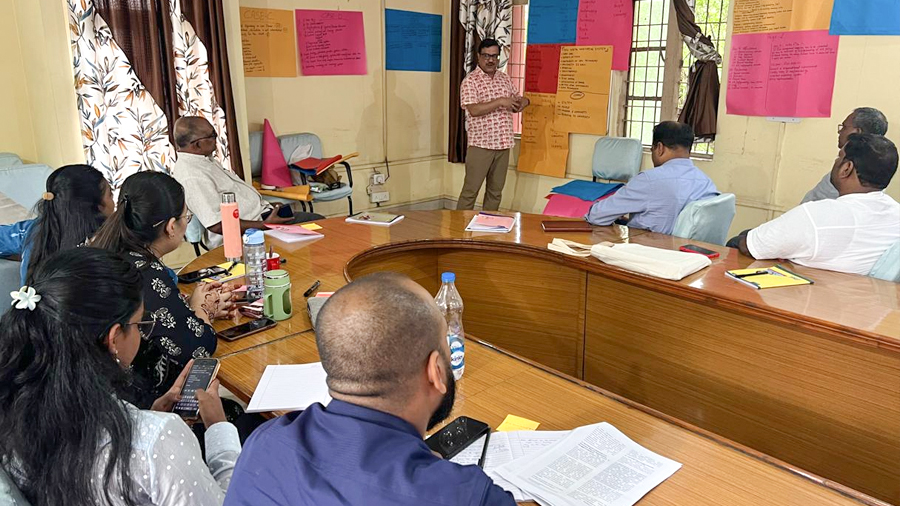
When NGOs Grow, What Breaks First? Caritas India Tackles the Answer in Raipur
Three-day workshop arms executive leaders with governance tools, a 20-policy framework and practical fixes for...
LEARN MORE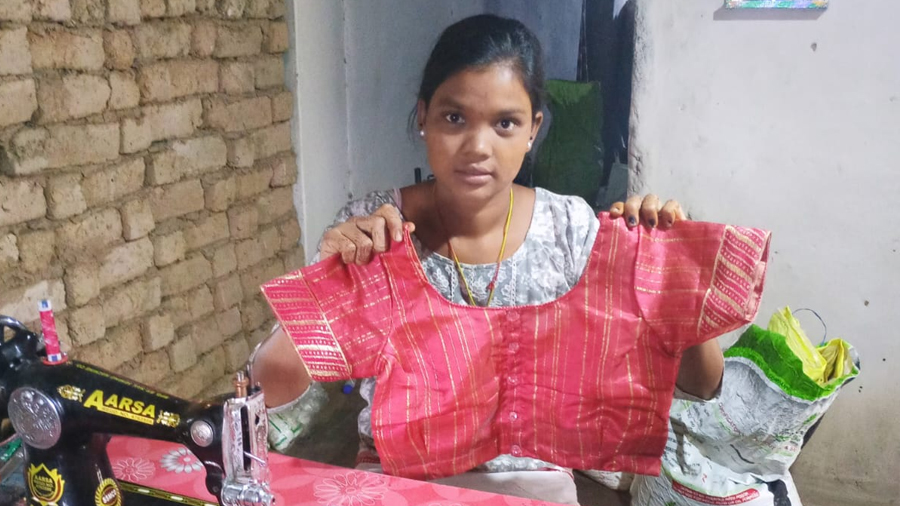
Nine Kilometres Through the Jungle: How Poornima Stitched Her Own Future
For 19 year old Poornima Rawat of Rajamma village in Lailunga block of Chhattisgarh's Raigarh...
LEARN MORE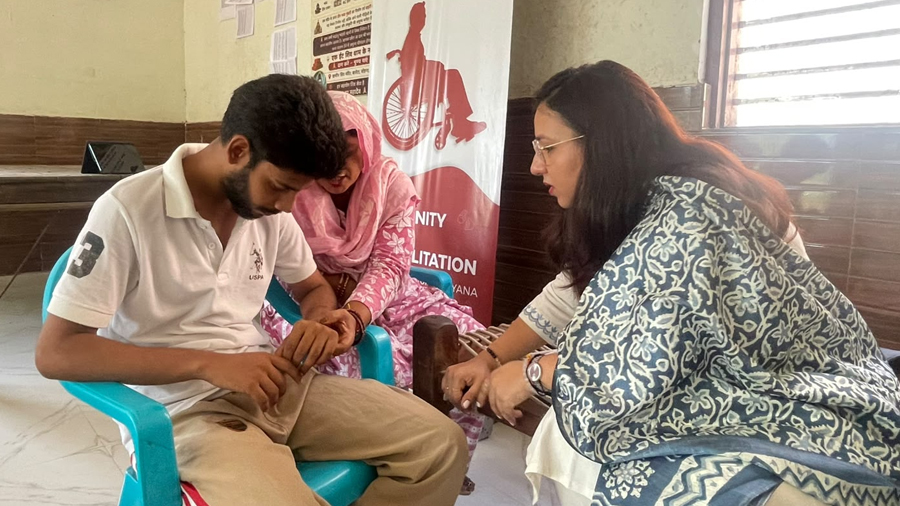
In a Nuh Village, People Living With Mental Illness Finally Got to Speak, and Be Heard
Nine people sat in that room in Barota village, Nuh district, Haryana, each carrying a...
LEARN MORE 91 -11 - 23362735
  director@caritasindia.org


