
 91 -11 - 2336 3390
 director@caritasindia.org
Paving a transformative pathway toward sustainable agriculture
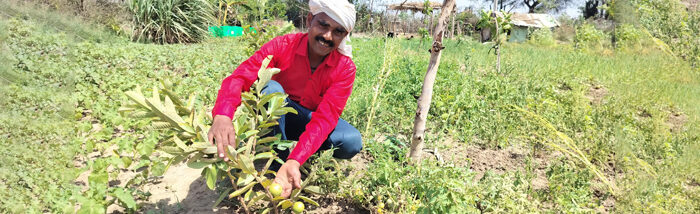
Premlal Patel, a diligent farmer, embarked on a transformative journey toward sustainable agriculture. He was guided by the innovative approaches of Caritas India’s Safbin (OBOS) programme, Premlal embraced the Integrated Farming System (IFS) model, revolutionizing his farming practices and paving the way for prosperity in his community. It was In the heart of rural Madhya Pradesh, a midst the tranquil surroundings of Bagrohi village in Shahgarh Block, Sagar district.
Bagrohi village, like many rural areas, faced challenges of dwindling agricultural productivity and environmental degradation. Erratic weather patterns, soil erosion, and limited access to resources posed significant hurdles for farmers like Premlal. However, a midst these challenges, the Safbin OBOS project emerged as a beacon of hope, offering sustainable solutions and empowering farmers to adopt integrated farming practices.
Premlal Patel, inspired by the Safbin OBOS project’s vision and started his journey towards holistic farming practices. With guidance from agricultural experts and support from Caritas India, he began implementing the IFS model on his modest landholding in Bagrohi. Recognizing the interconnectedness of various agricultural activities. “I have planned my farm layout, integrating crop cultivation, animal husbandry, and agroforestry and made efforts aimed not only at improving yields but also at enhancing environmental resilience”. proudly said Premlal.
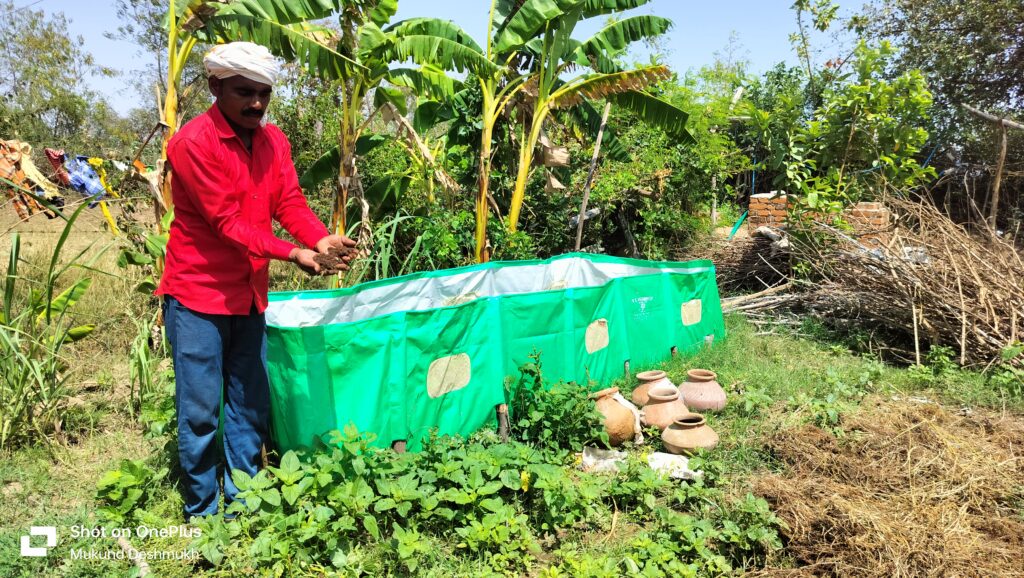
“I have diversified my crops, cultivating a mix of staples such as rice, wheat, Gram, Mustard Maize, Peas, Pigeon pea, and Green gram crops alongside high-value vegetable potato, carrot, radish, chilli, coriander, spinach, red vegetable, tomato, lady’s finger, bottle gourd, cucumber, bitter gourd, and brinjal and fruits amla, jackfruit, mango, guava, and moringa”. He further expressed that “through crop rotation and inter-cropping techniques optimized land use and minimized soil erosion. Simultaneously”, expressed with smiley face. I have also introduced dairy cows, poultry, and goats to his farm, creating a symbiotic relationship between crops and livestock. The integration of livestock not only provided additional income but also facilitated nutrient recycling and soil enrichment through manure,”narrated his success.
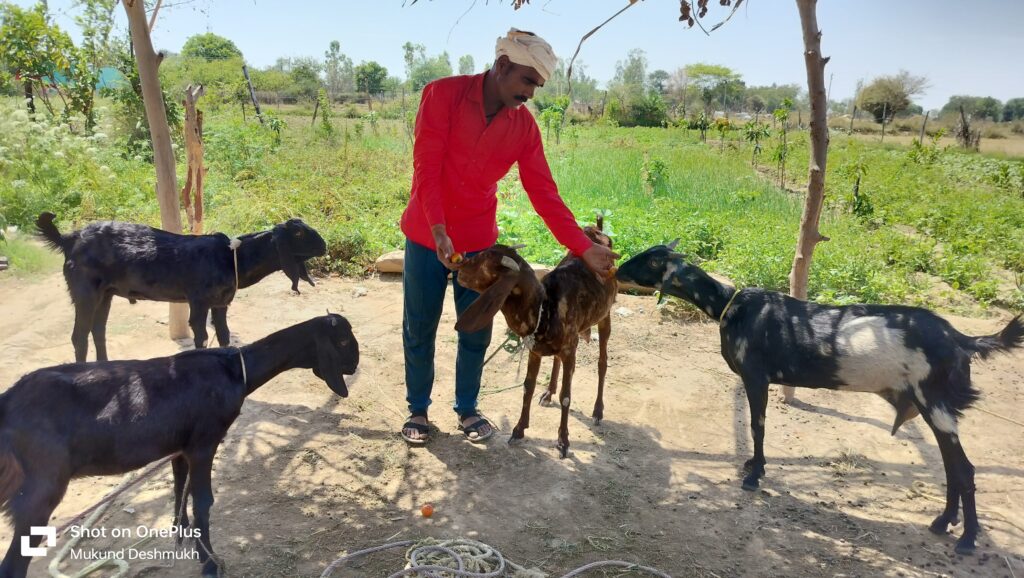
As a result of connecting of each component to other components, Mr. Premlal witnessed a substantial increase in crop yields, with rice, wheat, vegetables, and fruits flourishing on his farm to sustain the annual food security of his family. The integration of livestock, including dairy cows, poultry, and goats, provided additional income streams for Premlal and his family. As well as through agroforestry practices, Mr. Premlal contributed to soil conservation and biodiversity enhancement, mitigating environmental degradation. The integrated farming system facilitated efficient water management, reducing water wastage and enhancing water availability for crops. Embracing the principles of agro-ecology, Mr. Premlal established agroforestry systems on his farm, strategically planting trees and shrubs. These trees not only provided shade and fodder but also enhanced biodiversity, attracting beneficial insects and birds. The diverse ecosystem fostered resilience against pests and diseases while promoting soil health and water retention.
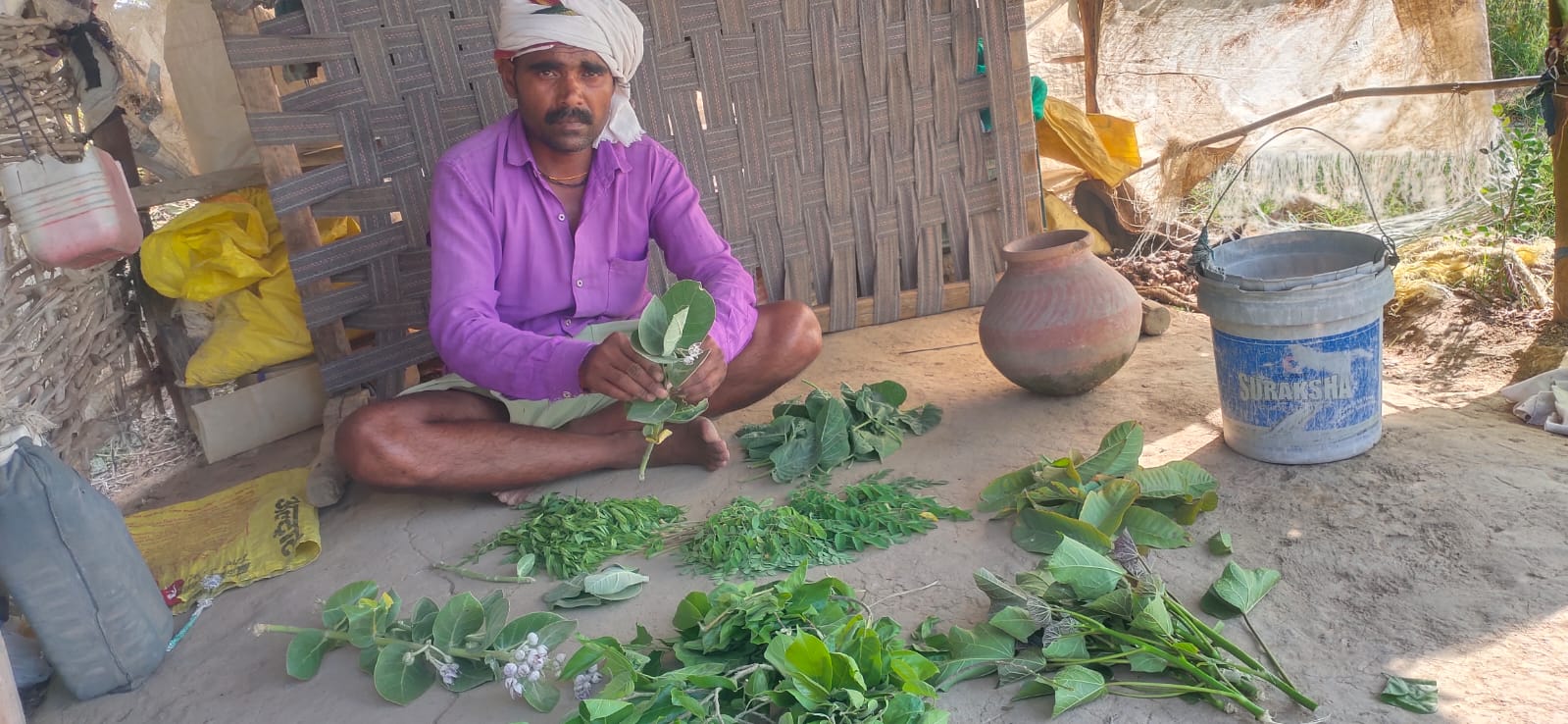
As Premlal’s farm flourished under the integrated farming model, his success rippled throughout Bagrohi village. Farmers in the community were inspired by his achievements and eager to adopt similar practices. Caritas India’s Safbin OBOS project facilitated knowledge-sharing sessions and field demonstrations, empowering farmers with the tools and techniques needed for sustainable agriculture.
Today, Premlal Patel’s farm stands as a testament to the transformative power of integrated farming under the Safbin OBOS project. Increased yields, enhanced livelihoods, and environmental sustainability are tangible outcomes of his efforts. As Premlal continues to nurture his land with care and innovation, he envisions a future where integrated farming practices become the norm, ensuring food security, prosperity, and ecological balance for generations to come.
“My journey exemplifies the profound impact of Caritas India’s Safbin OBOS project in fostering sustainable agriculture and rural development. Integrated farming, not only transformed my livelihood but also inspired a community-wide movement towards prosperity and resilience. As Bagrohi village thrives under the guiding principles of the Safbin (OBOS) project, My integrated farming model serves as a beacon of hope and a testament to the power of sustainable farming practices in building a brighter future for rural India.” said Premlal with very confident.
Upcoming News
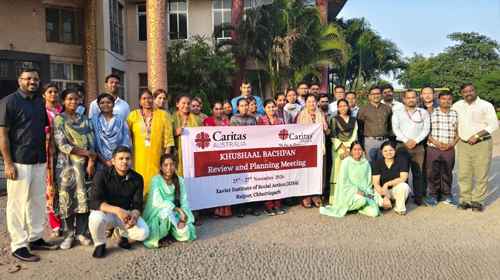
Khushaal Bachpan Sets Sights on Becoming a “Model Programme”
The Khushaal Bachpan (KB) programme will aim to become a model for child-centred development in...
LEARN MORE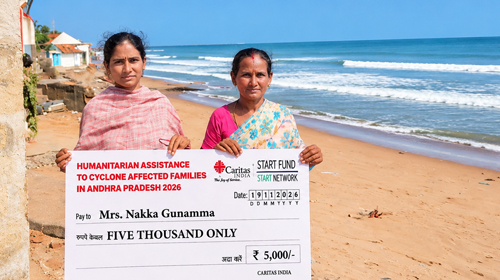
Caritas India extends humanitarian assistance to cyclone affected families in Andhra Pradesh
Caritas India, in collaboration with Diocesan Social Services, has initiated humanitarian assistance for cyclone affected...
LEARN MORE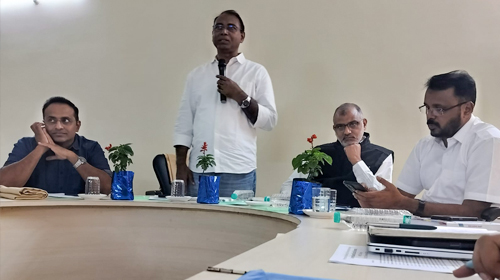
Madhya Pradesh dioceses learn from Kerala’s Biowin model to build farmer-owned agro-enterprises
Social service societies from across Madhya Pradesh were oriented on building sustainable, farmer-centred agro-enterprises at...
LEARN MORE 91 -11 - 23362735
 director@caritasindia.org


