
 91 -11 - 2336 3390
  director@caritasindia.org
 She used to run when hope knocked. Now, she opens the door.

When she speaks, her voice carries both tremor and defiance. Simran (name changed) remembers the years she tried to disappear from the world. She remembers fear, the bruises that never showed, the silence that almost became her identity. But what she holds onto now is a different hope.
Her marriage began with love’s illusion and ended in violence. The man who was supposed to protect her became her tormentor. He hid his HIV status, dragged her into exploitation, and left her with scars deeper than the body could show. When she finally tested positive for HIV, her world collapsed. Rejected by her in-laws, she returned to her mother’s house in northeast Delhi, trying to feed her two children through whatever work came her way.
“I had no one,” she says. “People only saw my illness. Not my pain. Not my strength.”
In 2022, hope arrived quietly—through two people she once tried to avoid. Every time social worker Poonam knocked on her door, Simran ran out the back. She didn’t trust kindness anymore. But Poonam kept returning. She didn’t see a patient or a statistic. She saw a woman who deserved to live with dignity.
Poonam was part of the Gram Nirman Urban program, an initiative of Caritas India, supported by Caritas Australia, which reaches out to people living with HIV (PLHIV) and others on the margins of urban life. The program focuses on rebuilding lives by offering psychosocial care, health access, and livelihood support. For Simran, it became a lifeline.
Through Poonam’s persistence, Simran began to open up. She was connected with government health services for antiretroviral treatment. Her nutrition improved through the regular supply of dry rations. She was referred to the Deepti Foundation, one of Caritas India’s partners, for additional assistance. Gradually, her health stabilized. Poonam even helped her secure a job in a small factory, where she started earning ₹3,500 a month. For the first time in years, Simran earned with dignity.
“Today, I work in a safe and respectful environment. I earn with dignity. I am no longer just surviving, I am living. I dream of a future where my children thrive, where my past no longer defines me. I have stepped out of the shadows and into the light,” shares Simran with confidence.
Her son, once frail and withdrawn, began attending school again. Simran underwent mental health therapy to help her recover from trauma. “It felt strange at first,” she says, “to sit in a room and talk about pain I never had words for. But it healed me.”
Today, she lives differently. Her smile no longer hides fear. She dreams of a steady job, a better education for her children, and one day, owning a small tailoring shop. “I want my children to grow up proud of me, not ashamed,” she says.
Simran is one of an estimated 0.59 lakh people in Delhi infected with HIV. Across Delhi, many women like Simran are rewriting their stories through the Gram Nirman Urban program. Caritas India, with support from Caritas Australia, continues to stand beside the most vulnerable, especially people living with HIV, and help them access healthcare, rebuild livelihoods, and restore dignity.
Simran’s story is not one of defeat. It’s a story of reclamation. Of a woman who refused to vanish. Of a mother who chose life again.
“I am Simran,” she says softly, “and I am finally free.”
Upcoming News
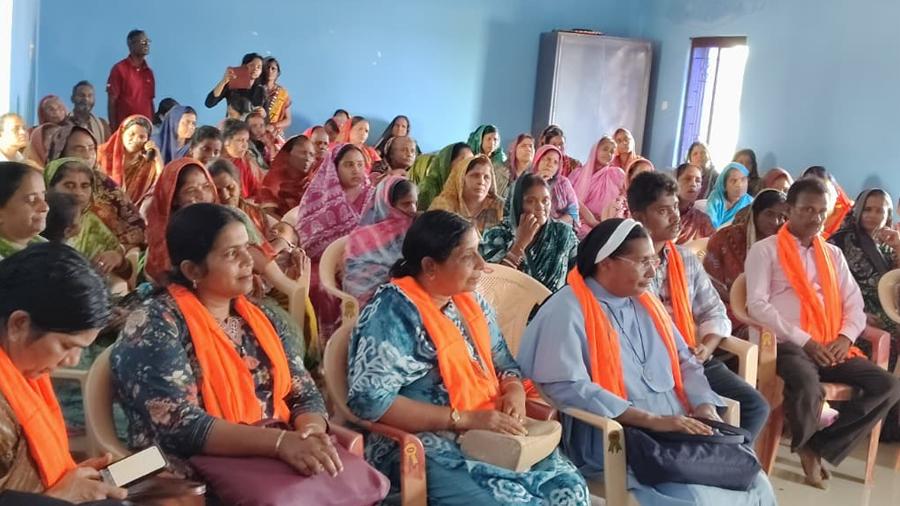
Kerala and Odisha Practitioners Come Together for Workshop on Humanitarian Aid and Disaster Risk Reduction
Disaster risk reduction practitioners from Kerala's Safe Within, Reconnect Wayanad and Vilangad Project travelled to...
LEARN MORE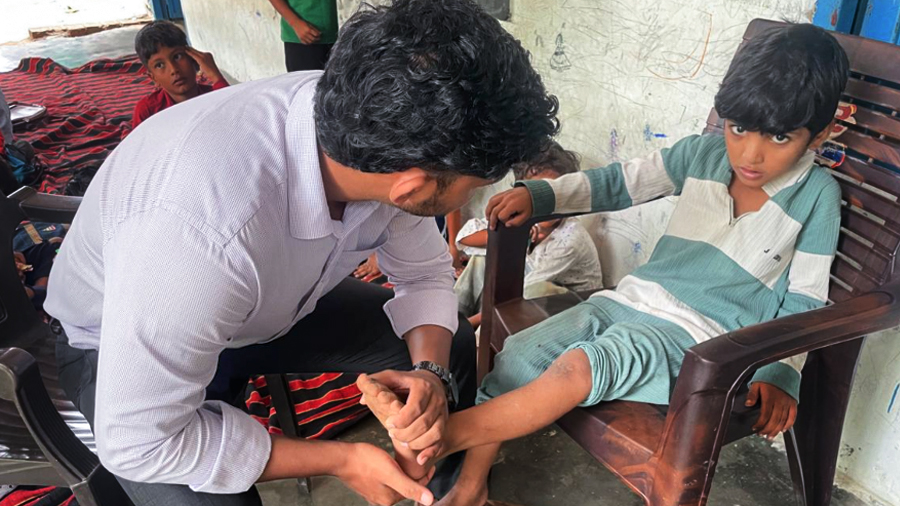
How Faiz Learned to Walk Again with Physiotherapy and Orthotic Support
There is a particular kind of heartbreak in watching your child want to play and...
LEARN MORE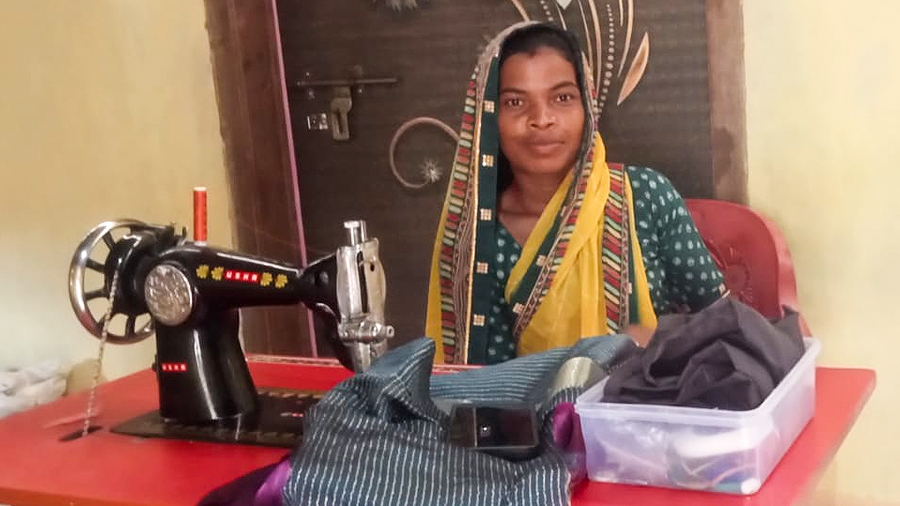
Every Stitch Keeps a Dream Alive
On the day Shiropati paid her children’s school fees from the money she earned through...
LEARN MORE 91 -11 - 2336 3390
  director@caritasindia.org


