
 91 -11 - 2336 3390
  director@caritasindia.org
 Breaking the silence and building the shield as Caritas India turns safeguarding into culture
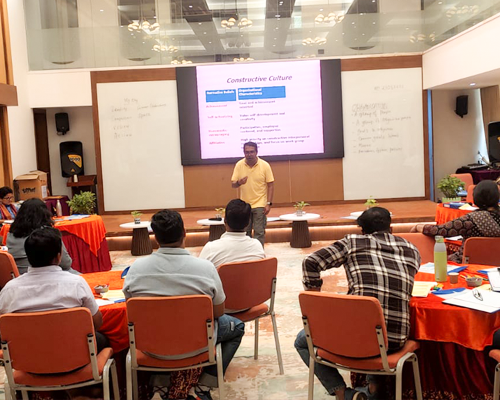
Rules alone do not protect people. Culture does. Caritas India is building one brick by brick where dignity, respect and vigilance are not slogans but everyday practices shaping each interaction across its vast network.
Safeguarding is more than a policy. It is the moral software that keeps an organisation human, ethical and strong. At Caritas India this belief has grown into a living system that protects both people and purpose. Grounded in the vision of SDG 16 on peace, justice and strong institutions, the organisation continues to strengthen its internal accountability so that compassion never compromises safety.

In October, representatives of Caritas India joined a four day safeguarding workshop organised by Karl Külan Foundation in partnership with Misereor in New Delhi. The workshop was not about ticking boxes or filling forms. It was a deep reflective journey that moved participants from personal awareness to institutional transformation. Each day unfolded new insights into what safeguarding truly means in action, the courage to question silence, the discipline to act with diligence and the humility to protect even when no one is watching.
The sessions explored the Inter Agency Standing Committee’s six core principles on preventing sexual exploitation and abuse along with global child protection standards under Keep Children Safe. The theme Break the Silence Stop the Violence resonated through discussions that pushed participants to confront hard realities and reaffirm their responsibility to protect.
Caritas India’s own safeguarding seven standards framework builds on these principles by weaving prevention, response and redressal into every layer of its work. From training internal teams to guiding partner organisations in drafting and updating safeguarding policies, the goal remains firm, to embed safety as a collective responsibility.
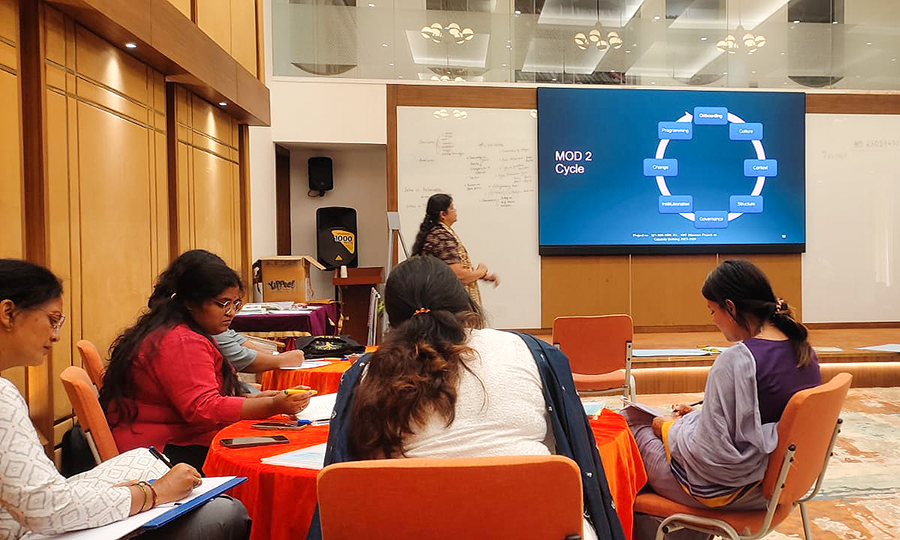
A major highlight was the use of the McKinsey 7S model, a tool that helped participants see how safeguarding connects both hard systems like structures, strategies and policies and soft systems like values, skills, style and staff culture. It reminded everyone that safeguarding is not about documents, it is about people.
Participants also worked on practical instruments such as the case management flow chart based on the principle of 4W and 1H, who, what, when, where and how, and the organisational safeguarding risk register which helps turn intent into measurable action.
Through this renewed commitment Caritas India reinforces a truth at the heart of every just institution, that protecting others is the highest form of service. The organisation strives to ensure that every child, woman and vulnerable person in its reach feels safe, heard and respected.
Safeguarding is not a one time training. It is a transformation of mindset that Caritas India has already begun. When silence is broken and safety becomes part of the culture, real peace takes root.
Upcoming News
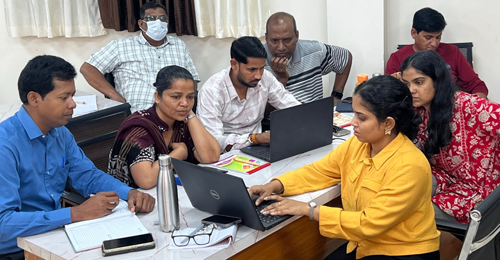
Caritas India Trains Partner Organisations in Evidence Based Project Proposal Writing
Some of the strongest community projects never get built, not for lack of need or...
LEARN MORE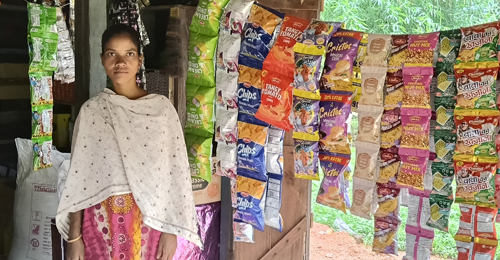
A Grocery Shop, a Mother’s Resolve, and Three Daughters Who Stayed in School
Three young girls in this remote village are attending school regularly today because their mother...
LEARN MORE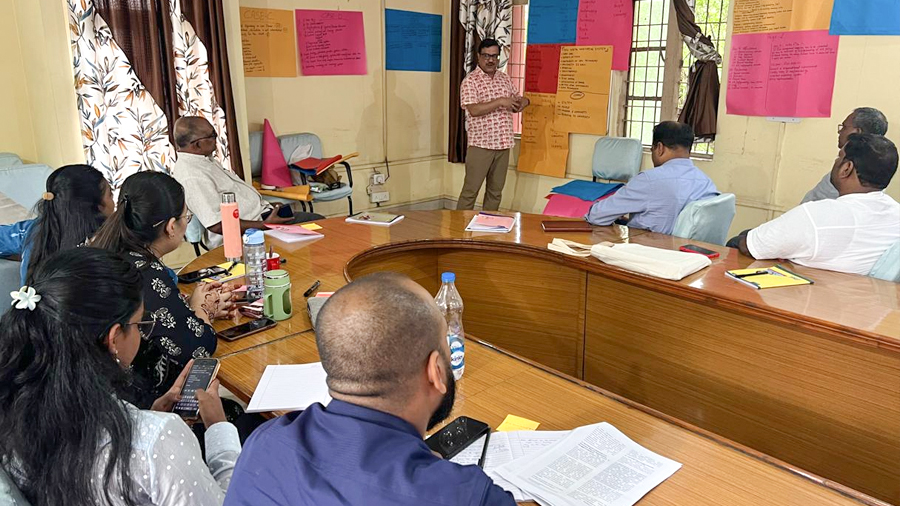
When NGOs Grow, What Breaks First? Caritas India Tackles the Answer in Raipur
Three-day workshop arms executive leaders with governance tools, a 20-policy framework and practical fixes for...
LEARN MORE 91 -11 - 23362735
  director@caritasindia.org


