
 91 -11 - 2336 3390
  director@caritasindia.org
 Farmers in Assam and Tripura learn to outsmart floods through climate-resilient practices

Over 430 progressive farmers from 11 villages across Assam and Tripura are turning climate challenges into opportunities after completing intensive training on Climate-Resilient Agriculture Techniques under the SARAL project (Strengthening Adaptation, Resilience, and Livelihoods in Bihar, Assam, and Tripura). The initiative, implemented by Caritas India in collaboration with its local partners JUST and TSSS, is building a culture of preparedness and resilience among smallholder and marginal farmers facing the brunt of climate change.
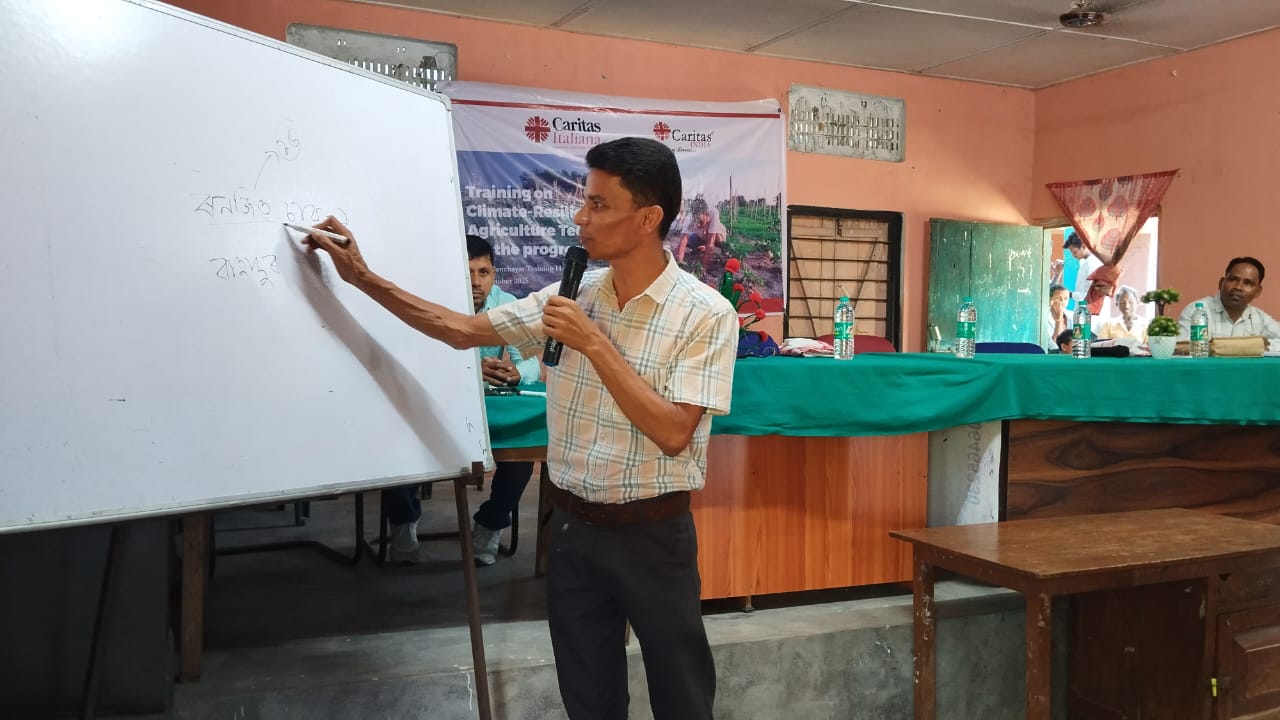
The training programmes, held on October 24, 25, and 29, 2025, in Thirthamukh (Gomati district, Tripura) and Lakhimpur and Dhemaji (Assam), brought together farmers eager to learn new methods to protect their livelihoods from recurring floods, erratic rainfall, and declining soil fertility. The sessions were facilitated by agricultural experts including Mr. Lakhi Kanta Nath from Krishi Vigyan Kendra, Mr. Udipta Konwai, Mr. Naresh Uchoi, and Mr. Dulal Gogoi from the Agriculture Department, who guided participants on scientific, practical, and locally adaptable solutions.
The SARAL project, a comprehensive 18-month initiative, focuses on 30 multi-hazard-prone villages across six Gram Panchayats in Assam and Bihar and ten village councils in Tripura. It aims to empower lower-income farming and agricultural labour communities with tools, knowledge, and collective strategies to enhance resilience and sustainability in agriculture.
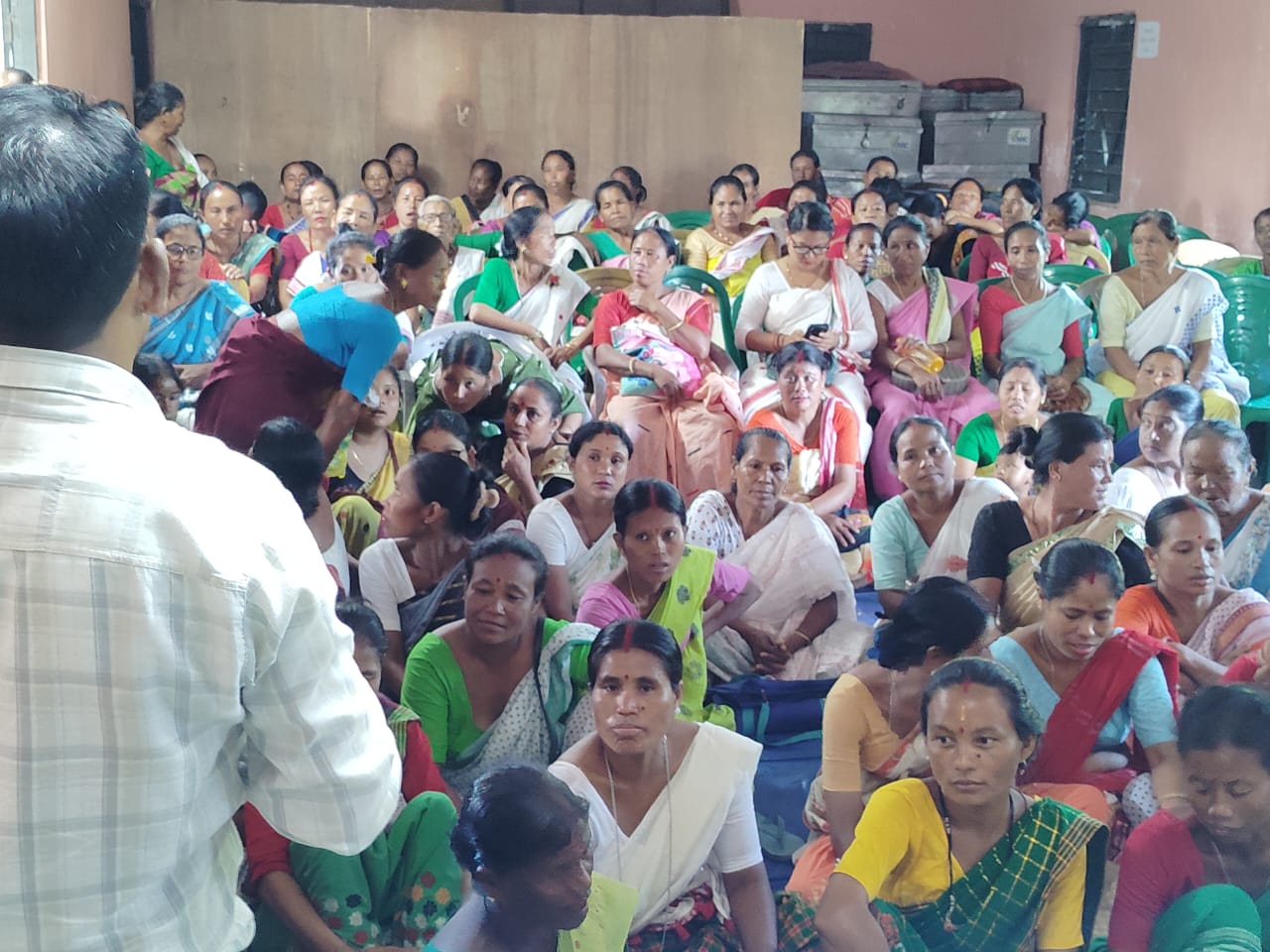
During the training, experts introduced a range of climate-resilient agricultural practices, including cultivating flood-tolerant paddy varieties, integrated farming, crop diversification, organic methods, and the use of pulses and oilseed crops suited to local conditions. Farmers were also briefed on government schemes that promote sustainable agriculture and financial support mechanisms for smallholder producers.
“Climate change has altered the rhythm of the seasons and the reliability of rainfall. Floods arrive more often and stay longer,” said facilitator Mr. Nath. “This makes it essential for farmers to combine traditional wisdom with scientific innovation. That’s how they can protect both their crops and livelihoods.”
The training sessions saw active participation from women farmers, who brought their field experiences and indigenous practices to the discussions. The exchange of ideas enriched the sessions, fostering peer learning and collective problem-solving. Women’s inclusion was particularly significant, as they play a crucial role in seed preservation, soil management, and household-level food security.
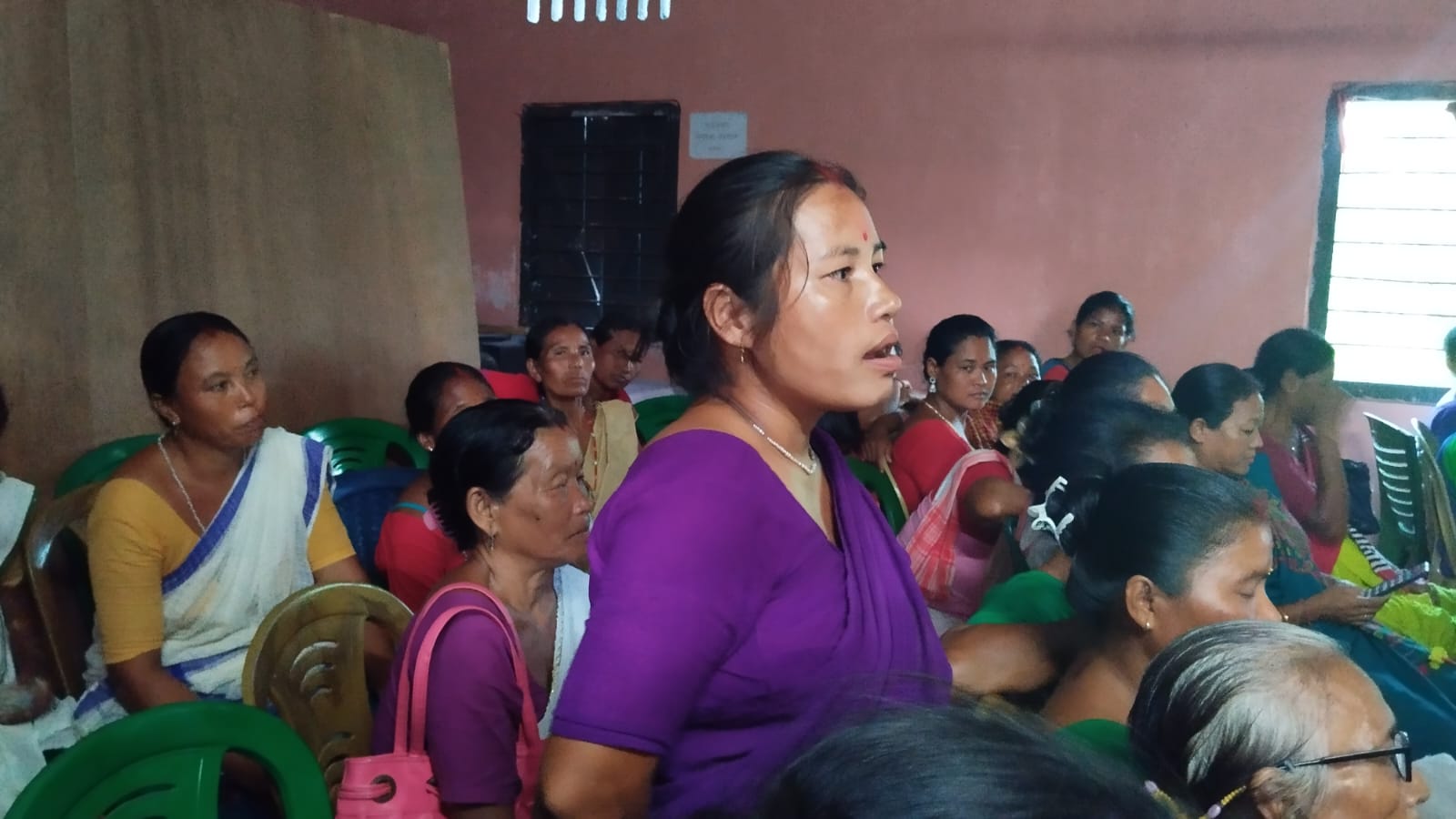
Sharing her takeaway from the training, Mrs. Minakhi Payeng from Panchoi village in Lakhimpur district, Assam, said, “I learned about flood-tolerant paddy varieties like Ranjit Sub-1, Bahadur Sub-1, Sompa, and Bao, which can survive 15 to 20 days underwater. Every year, our village faces floods. Now I feel more confident to apply these methods and guide others in our community.”
Experts emphasized that integrating modern technologies with time-tested traditional practices can help restore soil health, reduce input costs, and maintain productivity even in unpredictable weather conditions. The farmers were encouraged to adopt organic manure, use biofertilizers, and diversify into short-duration and multi-cropping systems to reduce climate risks.
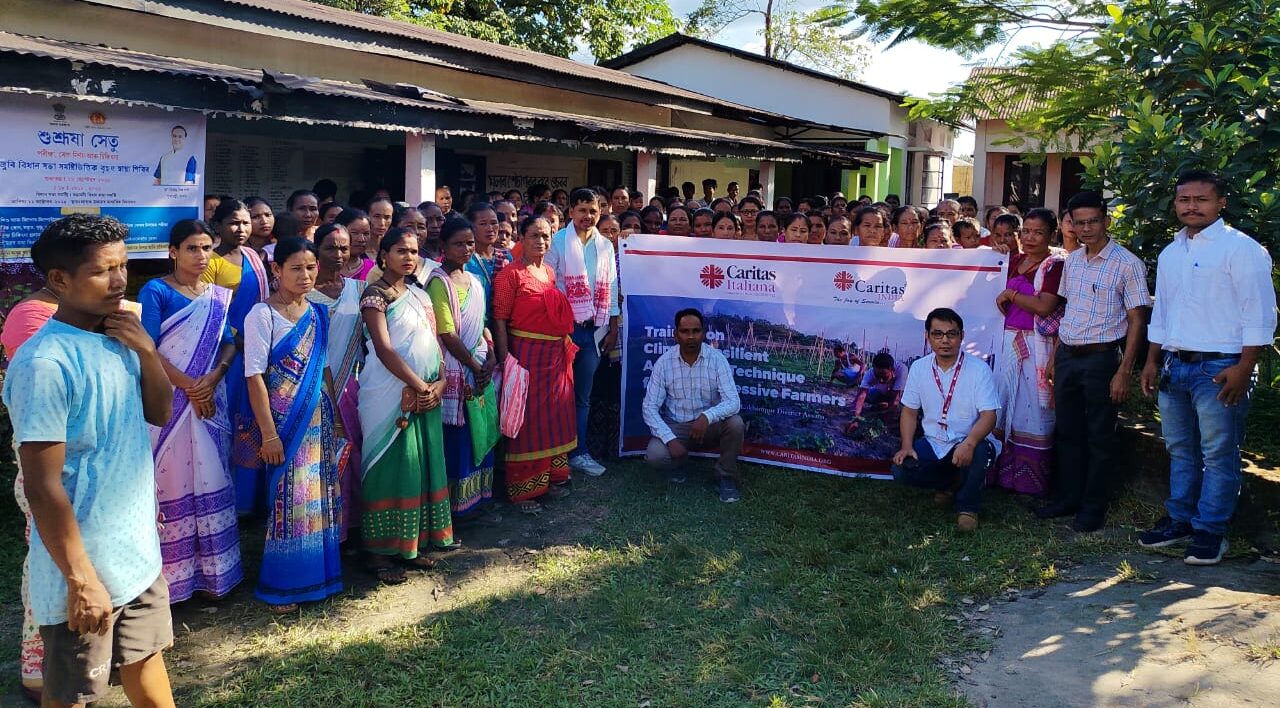
By the end of the sessions, participants had not only gained technical skills but also a renewed sense of confidence and solidarity. The SARAL project continues to give hope to the farmers of Northeast India, proving that with the right knowledge, cooperation, and preparedness, communities can withstand the harshest climate impacts and build resilient, sustainable livelihoods.
Upcoming News
Caritas India Trains Partner Organisations in Evidence Based Project Proposal Writing
Some of the strongest community projects never get built, not for lack of need or...
LEARN MORE
A Grocery Shop, a Mother’s Resolve, and Three Daughters Who Stayed in School
Three young girls in this remote village are attending school regularly today because their mother...
LEARN MORE
When NGOs Grow, What Breaks First? Caritas India Tackles the Answer in Raipur
Three-day workshop arms executive leaders with governance tools, a 20-policy framework and practical fixes for...
LEARN MORE 91 -11 - 23362735
  director@caritasindia.org


