
 91 -11 - 2336 3390
  director@caritasindia.org
 Building Dignity: The Gram Nirman Initiative
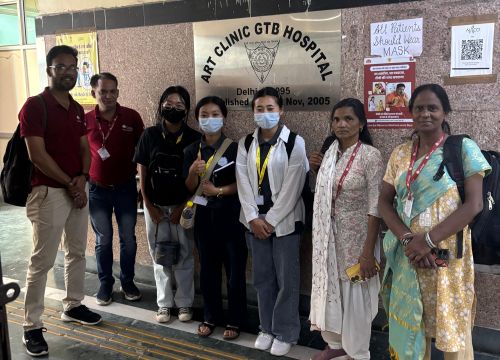
This story has been written by Nimmeishon Magdalene Hongray, an intern with Caritas India, reflecting her experience observing the transformative impact of the Gram Nirman initiative in Delhi’s urban communities.
Before the establishment of Caritas India’s Gram Nirman Urban program, the lives of people living with HIV/AIDS (PLHIV) in Delhi’s urban slums were marked by severe hardship, neglect, and isolation. These individuals faced limited access to healthcare and were often victims of misinformation and widespread stigma within their communities. Many lived in fear of discrimination, avoiding medical treatment, which led to the progression of their illness due to untreated opportunistic infections and a lack of proper care. Overcrowded slum conditions, poor sanitation, and inadequate nutrition further exacerbated their vulnerability, while limited social support and awareness trapped them in isolation and despair. Economic insecurity added to their plight, as most People Living with HIV (PLHIV) in these informal settlements were daily wage earners or migrants with unstable incomes. Illness often meant loss of livelihood, plunging families deeper into poverty. Women and other marginalized groups bore the brunt of stigma and exclusion, facing barriers to basic services and welfare schemes.

The launch of the Gram Nirman Urban program by Caritas India in the year 2021 introduced a comprehensive, community-based approach aimed at addressing these intertwined challenges. By organizing regular health camps in the heart of slum areas, the program provided PLHIV with essential medical checkups, follow-up, counseling, and facilitated access to Anti-Retroviral Therapy (ART). In collaboration with government hospitals, it ensures that a person’s behavior coincides with medical or health advice, nutrition counseling, and management of opportunistic infections, making them accessible and more sustainable.
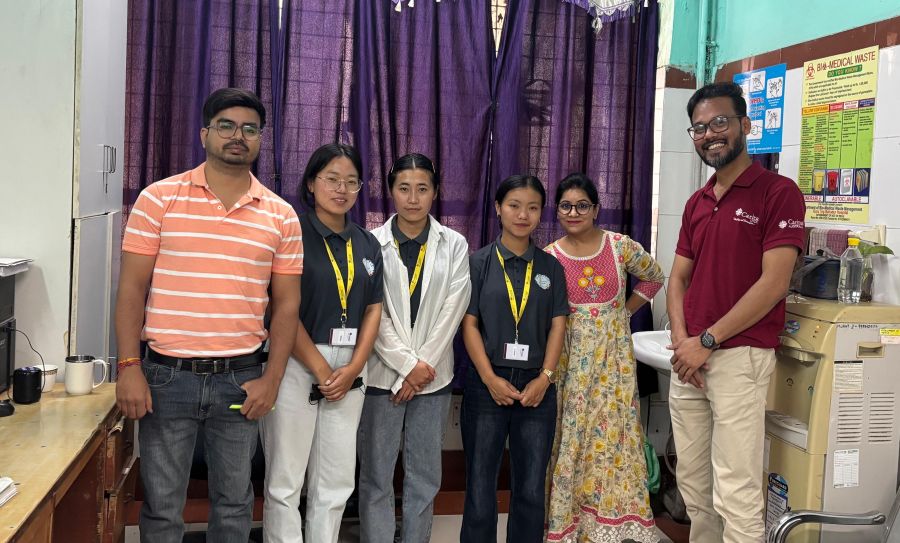
Beyond medical assistance, Gram Nirman placed significant emphasis on psychosocial support, a critical gap in previous interventions. Trained counselors offered emotional support, and Self-Help Groups (SHGs) were formed to create safe spaces for PLHIV to share experiences and rebuild their confidence. Education and awareness activities aimed to combat stigma, transform social attitudes, and foster inclusivity in the community. Home-based care training empowered families and caregivers with skills to manage daily health needs, reinforcing the treatment process and improving quality of life. This approach reduced hospital dependency and cultivated a supportive environment where recovery and dignity go hand in hand. Recognizing the importance of economic stability, Gram Nirman also facilitated livelihood programs, such as tailoring and skill development initiatives, particularly empowering women to gain financial independence. Earnings from these activities improved nutrition, healthcare access, and social standing, breaking the vicious cycle of poverty and ill health.
The impact of these interventions is seen in stories of transformation from individuals who were once excluded and isolated to community members who regained their dignity and self-reliance. Women became mentors and entrepreneurs, families found hope, and the fabric of the urban slum community gradually became more accepting and supportive.
The program aligns with Sustainable Development Goals, focusing on poverty eradication, zero hunger, good health and well-being, and reduced inequalities. By holistically addressing medical, psychosocial, and socioeconomic needs, Gram Nirman has set a standard for inclusive, rights-based care in marginalized urban populations.
In conclusion, before Caritas India’s intervention, PLHIV in Delhi’s slums lived in fear, neglect, and poverty with limited support. After the introduction of Gram Nirman, their lives have been transformed through accessible healthcare, psychosocial counseling, livelihood support, and community empowerment—turning despair into hope and isolation into dignity. This journey highlights the power of compassion and comprehensive care in fostering resilient, inclusive communities. Gram Nirman looks forward to scaling up interventions, integrating livelihood programs, and strengthening partnerships for sustainability.
Upcoming News
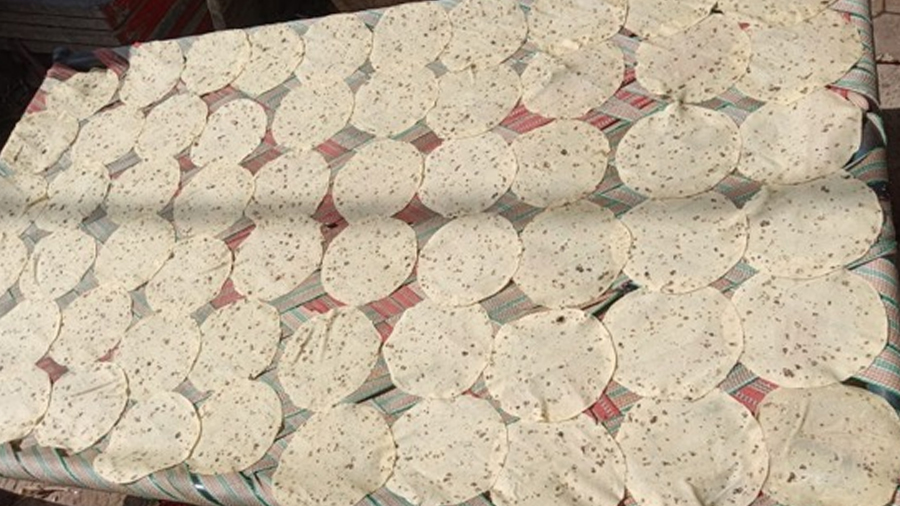
Ten Women Turn Papad Making into a Collective Enterprise
In Shiv Parvati Nagar, Indore, ten women have transformed papad making from a familiar household...
LEARN MORE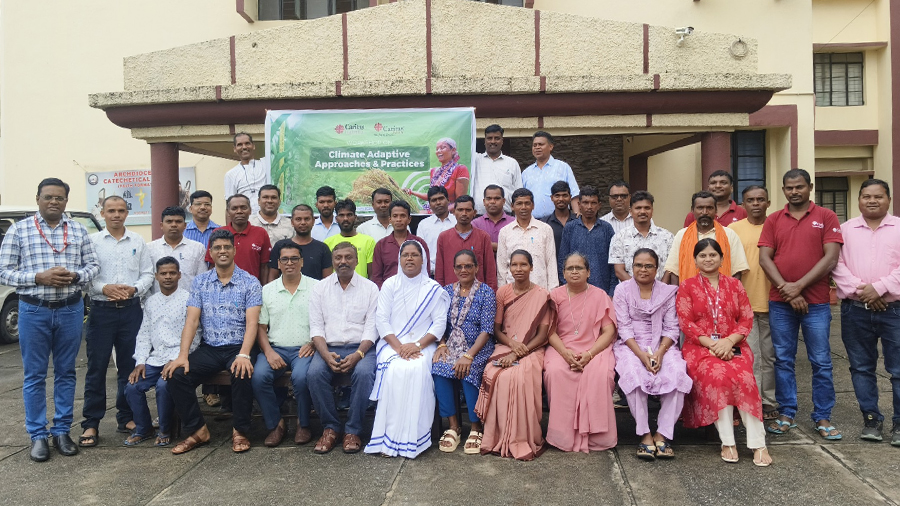
From Awareness to Action: Strengthening Climate-Resilient Practices through Learning and Innovation
As climate change increasingly affects agriculture, livelihoods and natural resources, the need for practical and...
LEARN MORE
Kerala and Odisha Practitioners Come Together for Workshop on Humanitarian Aid and Disaster Risk Reduction
Disaster risk reduction practitioners from Kerala's Safe Within, Reconnect Wayanad and Vilangad Project travelled to...
LEARN MORE 91 -11 - 2336 3390
  director@caritasindia.org


