
 91 -11 - 2336 3390
  director@caritasindia.org
 Capacity building on Farmer producer organization: a stepping stone towards sustainability
Large number of small-holder farmers with dispersed and fragmented landholdings predominately define Indian agriculture. These small-scale farmers own 85% of the arable land. Often these farmers are unable to negotiate a fair price for their produce due to their lack of collectivization and value addition and hence remain at the bottom of the value chain.
In order to address the problem and as part of a community-owned sustainability plan, Caritas India, with assistance from Caritas Australia, has planned to establish two Farmer Producer Organisations during the programme’s second year.
By grouping small-scale farmers under the auspices of a farmer producer organisation, the goal is to lessen the difficulties they face and to create a favourable environment that will allow the member farmers to benefit from economies of scale when buying inputs, aggregating their produce, and adding primary value to it. Additionally, it will offer the producers timely and sufficient credit as well as marketing assistance.
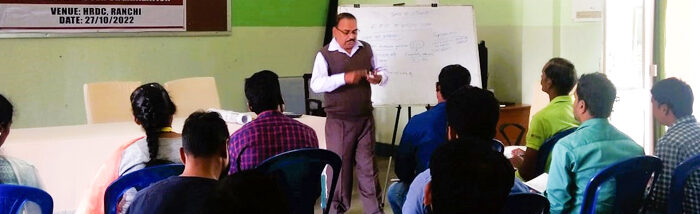
For the core team and community educators of the Gram Nirman initiative, a capacity building session on “Farmer Producer Organization” was organised on October 27 in Ranchi.
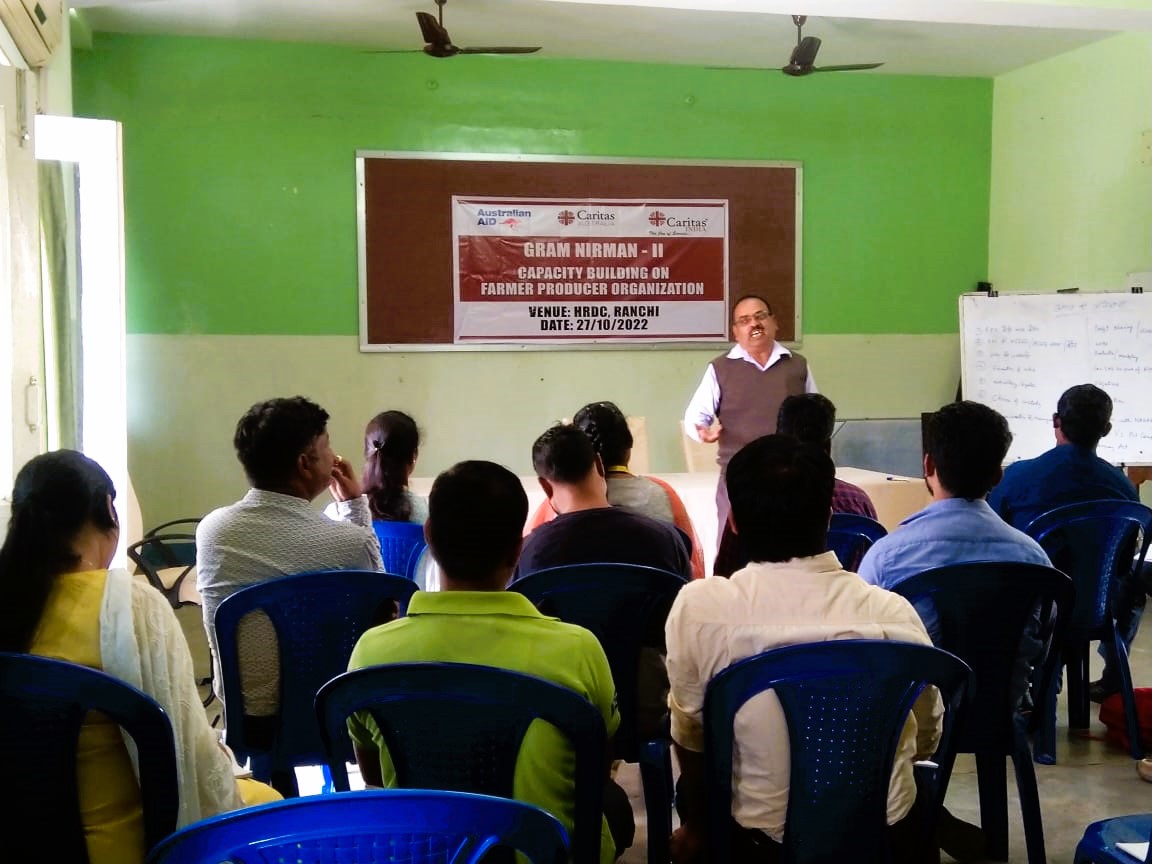
The training benefited 4 core programme team members and field employees from each of the 11 operational districts in Jharkhand and Chhattisgarh.
The training’s resource person, Mr. Rajneeti, interactively integrated the challenging ideas into simple terms. Mr. Rajneeti, a practitioner, led the training by explaining the FPO concept, the need for it, and the registration procedure. Participants learned about the significance of FPOs, the formation and registration process, FPO management, and creating business plans. The training was participatory, and field experiences were given to help participants understand the topics.
The key takeaway is that the trained cadre of programme team members will now concentrate on finding a suitable cluster based on predefined criteria and the availability of resources. They will then move on to forming “Farmers’ Interest Groups” in all targeted districts, which will serve as a foundation for future work.
Upcoming News
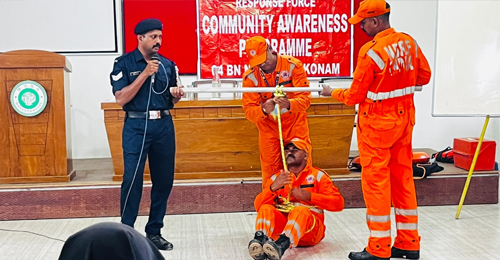
Ropes and Sacks Become Lifesaving Tools as NDRF Trains Wayanad’s First Responders
Long before an ambulance can reach a flooded village or a landslide hit hillside, it...
LEARN MORE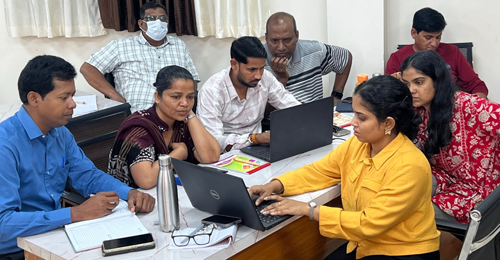
Caritas India Trains Partner Organisations in Evidence Based Project Proposal Writing
Some of the strongest community projects never get built, not for lack of need or...
LEARN MORE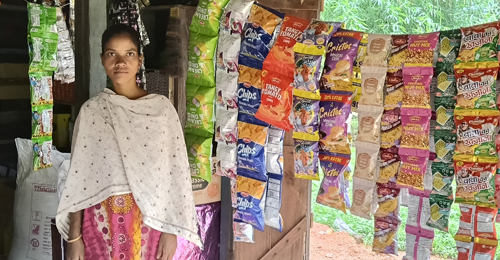
A Grocery Shop, a Mother’s Resolve, and Three Daughters Who Stayed in School
Three young girls in this remote village are attending school regularly today because their mother...
LEARN MORE 91 -11 - 23362735
  director@caritasindia.org


