
 91 -11 - 2336 3390
  director@caritasindia.org
 Breaking the cycle of loss: how organic bio inputs helped farmers reclaim control over food production
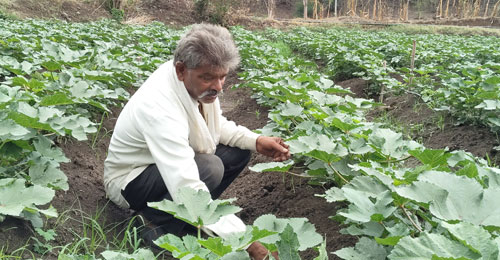
Erratic rain cuts through the season without warning. Heat builds fast. Pests surge at the slightest change in humidity. For smallholder farmers like Narayan Patel from Barkheda, these shocks once meant certain loss. The SAFBIN program stepped into this uncertainty with a simple but bold proposition. Test climate resilient organic bio inputs directly on farmers’ fields and prove that healthy soils and biological pest control can hold the line against climate stress.
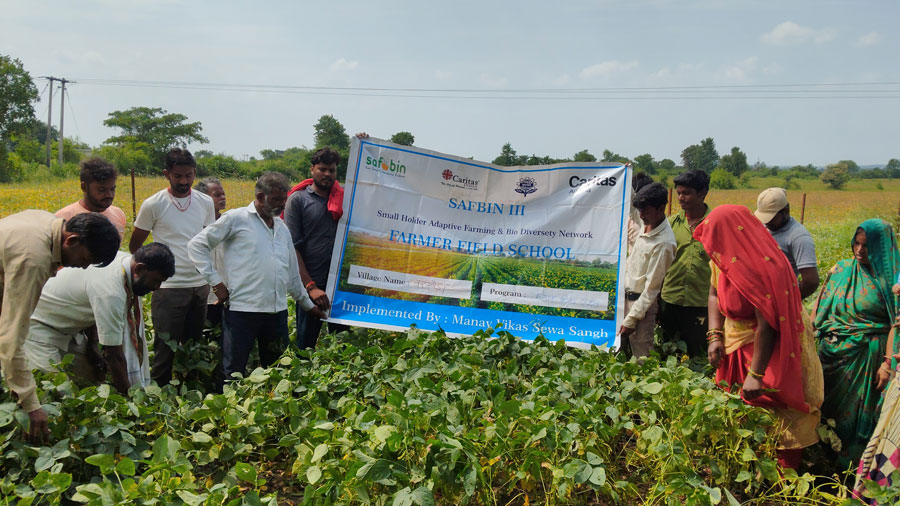
The OFAR trials under SAFBIN turned Narayan’s half acre into a living experiment. On one side stood the familiar chemical based plot. On the other, a fully organic trial using Lamit, Dashparni ark, neem based sprays, Jeevamrit, and vermicompost. The soybean variety JS 2172 grew in both plots under the same weather. The difference emerged in the plants’ strength. By late July, the organic plot pushed ahead in height and vigor. By the end of August, pod formation surged. Thirty three pods per plant in the organic trial against twenty eight in the chemical plot. More leaves stayed functional. Plants stayed cooler and less stressed. Soil organisms worked harder beneath the surface.
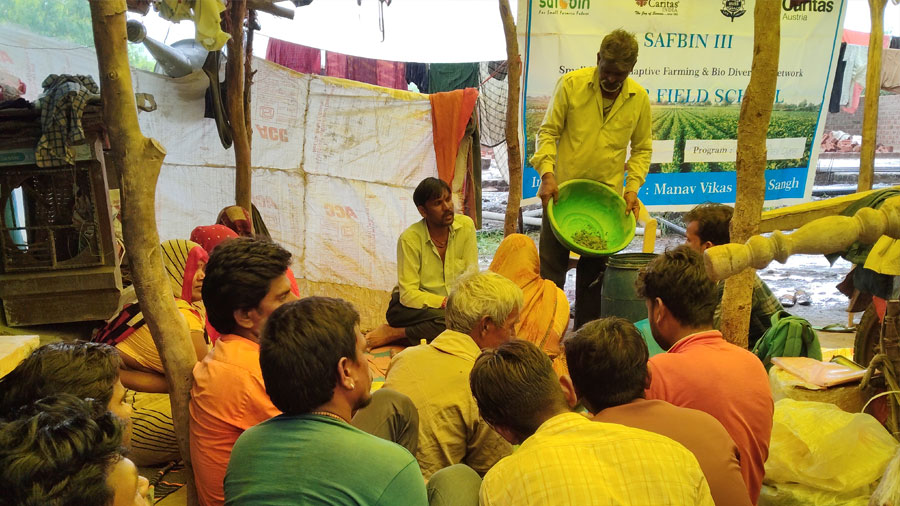
The biggest relief came from the fight against yellow mosaic virus and stem borer. These two threats had crippled Narayan’s fields for years. Organic protection changed the outcome. Neem oil coatings, Dashparni ark, and pheromone traps suppressed pest populations before they could flare up. Disease symptoms stayed minimal. Stem borer damage dropped sharply. The field looked alive in a way Narayan had not seen in years.
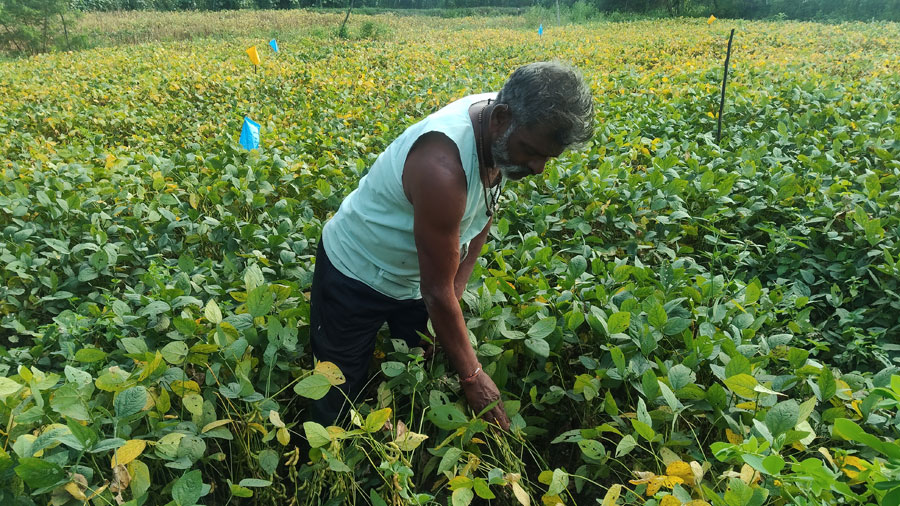
The harvest told the same story. Six sample plants from the organic plot weighed seventy four grams compared to sixty seven grams from the chemical plot. The numbers appear close, yet the real shift ran deeper. Narayan reduced his dependence on chemical inputs. He spent less on pesticides. He gained confidence that his crop could withstand sudden climate stress without collapsing.
SAFBIN extended this learning across 150 OFAR trials in June 2025. Farmers tested organic packages on soybean, maize, black gram, and green gram. The results broke long held doubts. Soybean organic plots produced eighteen thousand seven hundred fifty seven kilograms against nineteen thousand twenty eight kilograms in chemical plots, almost at par. Maize followed the same pattern. Black gram surpassed the previous year’s chemical yield. Green gram pushed ahead too.
The fields themselves changed. Soil held moisture longer. Earthworm activity increased. The topsoil stayed porous even after heavy spells of monsoon rain. These ecological gains matter. They build long term resilience. They protect farmers from sudden crop loss. They restore sovereignty over food production by reducing dependence on external inputs.
Many farmers now want to scale these practices. Narayan leads that shift in Barkheda. His words carry a quiet conviction that comes only after witnessing change with his own eyes.
“I have struggled for years with climate shocks and pest attacks. This trial under the SAFBIN program showed me that organic and climate resilient practices actually work. My crop stayed healthier, and the production improved. Other farmers in the village are now coming forward to try the same methods for a secure future.”
The SAFBIN program, supported by Caritas Austria, continues to stand alongside smallholder farmers as they reclaim control over their farms, strengthen food security, and move toward true food sovereignty. Caritas Austria works with communities in ways that allow every person to participate in building a stronger, more resilient future.
Upcoming News
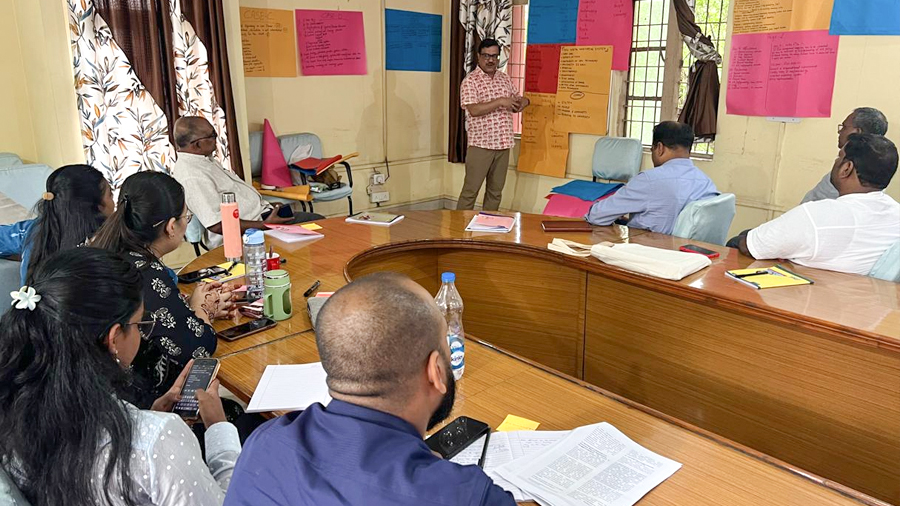
When NGOs Grow, What Breaks First? Caritas India Tackles the Answer in Raipur
Three-day workshop arms executive leaders with governance tools, a 20-policy framework and practical fixes for...
LEARN MORE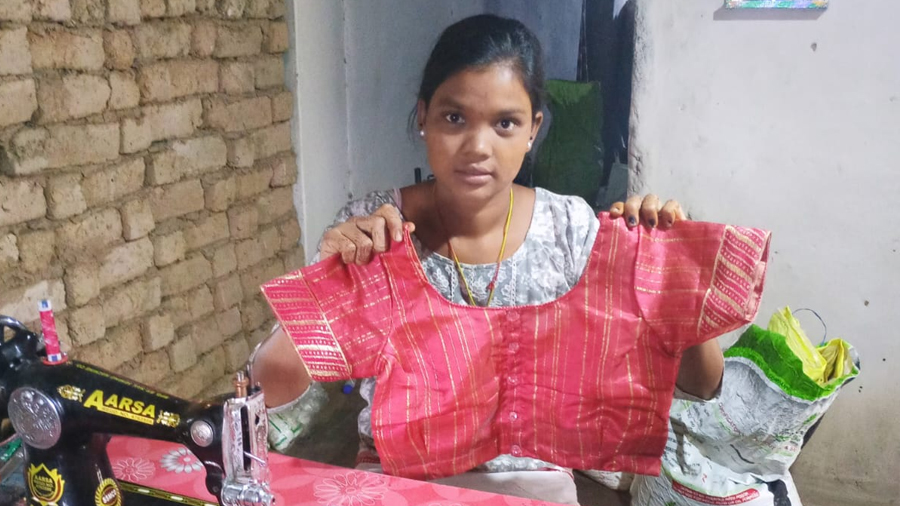
Nine Kilometres Through the Jungle: How Poornima Stitched Her Own Future
For 19 year old Poornima Rawat of Rajamma village in Lailunga block of Chhattisgarh's Raigarh...
LEARN MORE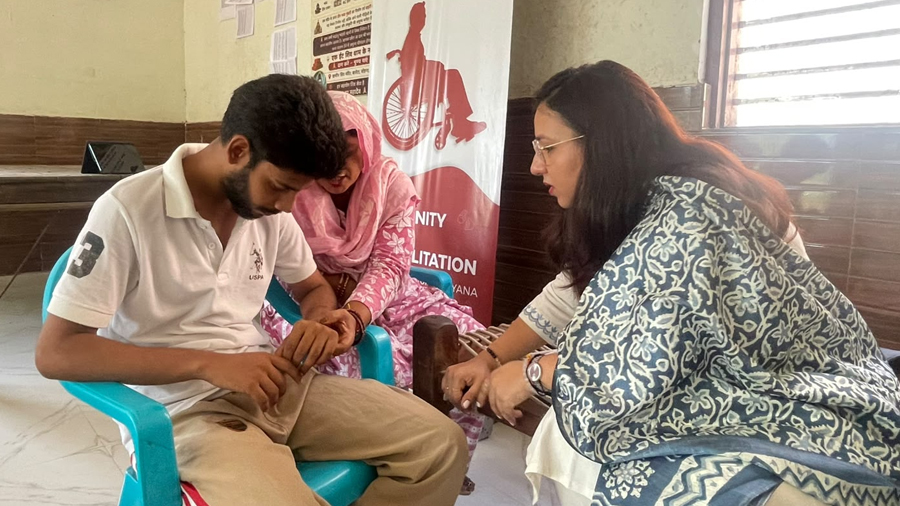
In a Nuh Village, People Living With Mental Illness Finally Got to Speak, and Be Heard
Nine people sat in that room in Barota village, Nuh district, Haryana, each carrying a...
LEARN MORE 91 -11 - 23362735
  director@caritasindia.org


